Proactive Maintenance for Peak Performance
Regularly Check Tire Pressure and Tread
Your tires are literally where the rubber meets the road, making them one of the most critical components of your vehicle. Maintaining proper tire pressure isn't just about preventing flats – it dramatically affects your car's handling, fuel economy, and safety.
Most drivers don't realize that tires naturally lose about 1 PSI (pound per square inch) of pressure each month, plus an additional 1 PSI for every 10-degree Fahrenheit drop in temperature. That's why checking your tire pressure monthly is so important. The recommended pressure for your vehicle isn't the maximum PSI listed on the tire sidewall – instead, look for a sticker inside your driver's door jamb or in your owner's manual.
Under-inflated tires flex more, generating heat and increasing rolling resistance, which burns extra fuel and wears out your tires faster. Over-inflated tires have reduced contact with the road, compromising traction and making for a bumpier ride.
Don't forget about tread depth! The legal minimum in most states is 2/32 of an inch, but wet-weather performance begins to decline well before that point. The classic quarter test works well – insert a quarter upside down into your tire's tread.
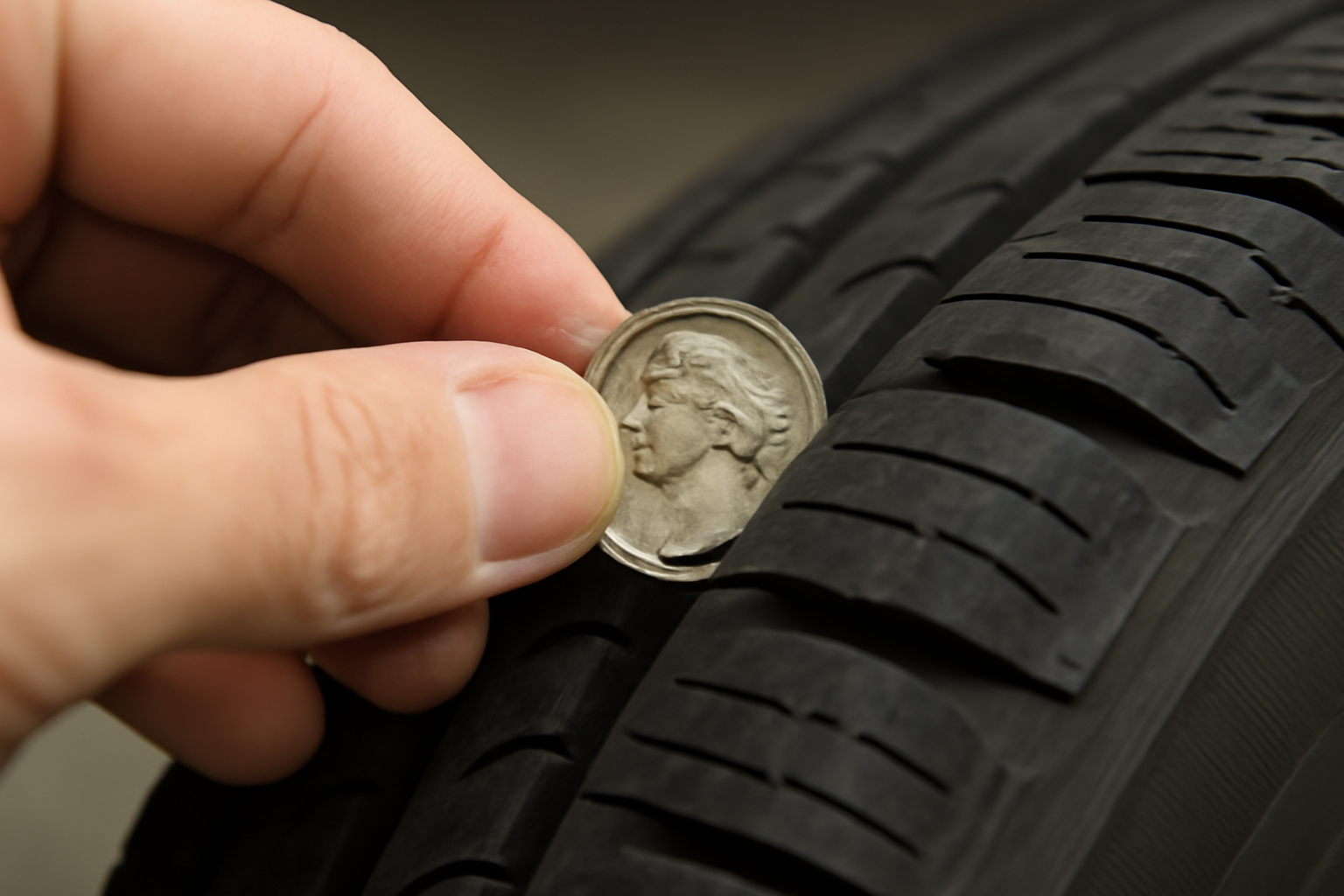 If you can see the top of Washington's head, it's time for new tires.
Plan to rotate your tires every 5,000-7,500 miles to ensure even wear patterns. This simple maintenance step can extend tire life by thousands of miles.
Monitor Fluid Levels
Your car relies on several vital fluids to function properly, and checking them regularly can prevent costly breakdowns.
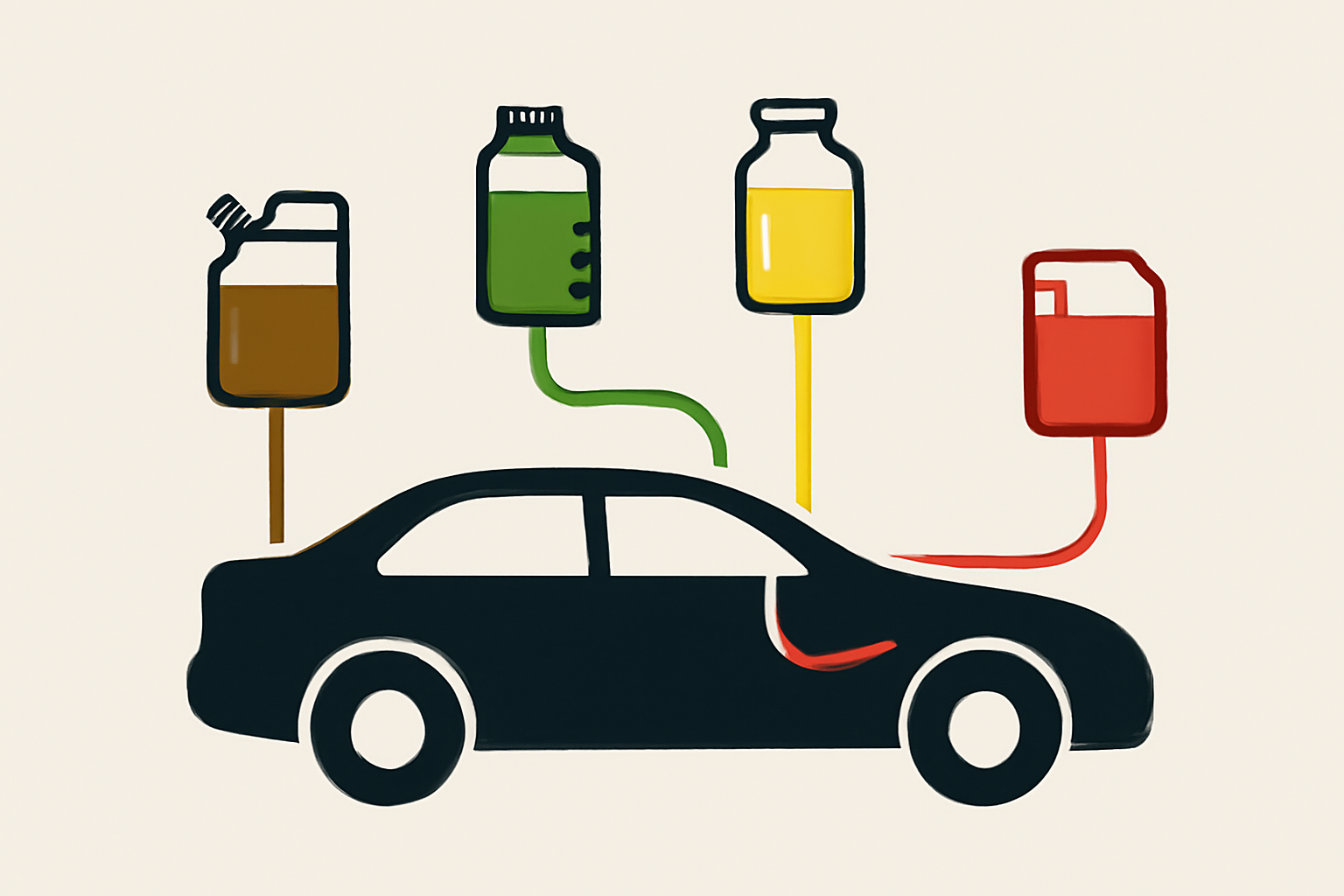
Engine oil is your engine's lifeblood. It lubricates moving parts, reduces friction, helps cool the engine, and keeps contaminants in suspension. Dark, gritty oil that's below the minimum mark on your dipstick needs immediate attention. Most vehicles need oil changes every 5,000-7,500 miles, though synthetic oils often allow longer intervals.
Coolant prevents your engine from overheating in summer and freezing in winter. Check your coolant level only when the engine is cool to avoid burns from pressurized hot coolant. The reservoir should show levels between the "min" and "max" lines.
Brake fluid is non-negotiable for safety. Low brake fluid can indicate worn brake pads or a dangerous leak. The fluid should appear clear to amber – dark fluid needs replacement as it has absorbed moisture over time.
Don't overlook power steering fluid, transmission fluid, and windshield washer fluid. Each plays a vital role in your vehicle's operation and maintenance.
Understand and Adhere to Your Owner's Manual Schedule
That booklet gathering dust in your glove compartment? It's actually a gold mine of information tailored specifically to your vehicle.
Manufacturers create maintenance schedules based on extensive testing, knowing exactly when components typically need service. Following these recommendations prevents costly repairs and keeps your warranty valid.
Many manuals offer two maintenance schedules: one for "normal" driving conditions and another for "severe" conditions. Contrary to what you might think, most of us fall under severe conditions if we regularly drive in stop-and-go traffic, extreme temperatures, or make frequent short trips.
Replace Air Filters Regularly
Your car has two important air filters: the engine air filter and the cabin air filter.
The engine air filter prevents dirt, bugs, and debris from entering your engine. A clogged filter restricts airflow, reducing engine efficiency and potentially costing you 5-10% in fuel economy. Most need replacement every 15,000-30,000 miles, depending on driving conditions.
The cabin air filter protects you by cleaning the air coming through your ventilation system. If you notice reduced airflow from vents or persistent odors, it's likely time for a replacement.
Check and Replace Wiper Blades
Don't wait for a dangerous downpour to discover your wipers aren't working properly. Rubber wiper blades deteriorate from sunlight, heat, and airborne contaminants, becoming brittle and ineffective over time.
Replace your wipers at the first sign of streaking, skipping, or chattering. A general rule is to install new blades every 6-12 months. While you're at it, keep your washer fluid reservoir filled with the appropriate seasonal fluid – winter formulas contain antifreeze properties to prevent freezing.
Essential Checks and Driving Habits for Longevity
Listen to Your Car: Unusual Noises and Warning Lights
Your car talks to you—not with words, but through sounds and visual cues. Learning this language could save you thousands in repair bills.
When you hear a high-pitched squeal while braking, your brake pads are likely crying out for replacement. That grinding noise? You've waited too long, and now metal is scraping against metal. A rhythmic knocking or tapping from the engine often signals serious internal issues that need immediate attention.
Dashboard warning lights aren't just pretty decorations.
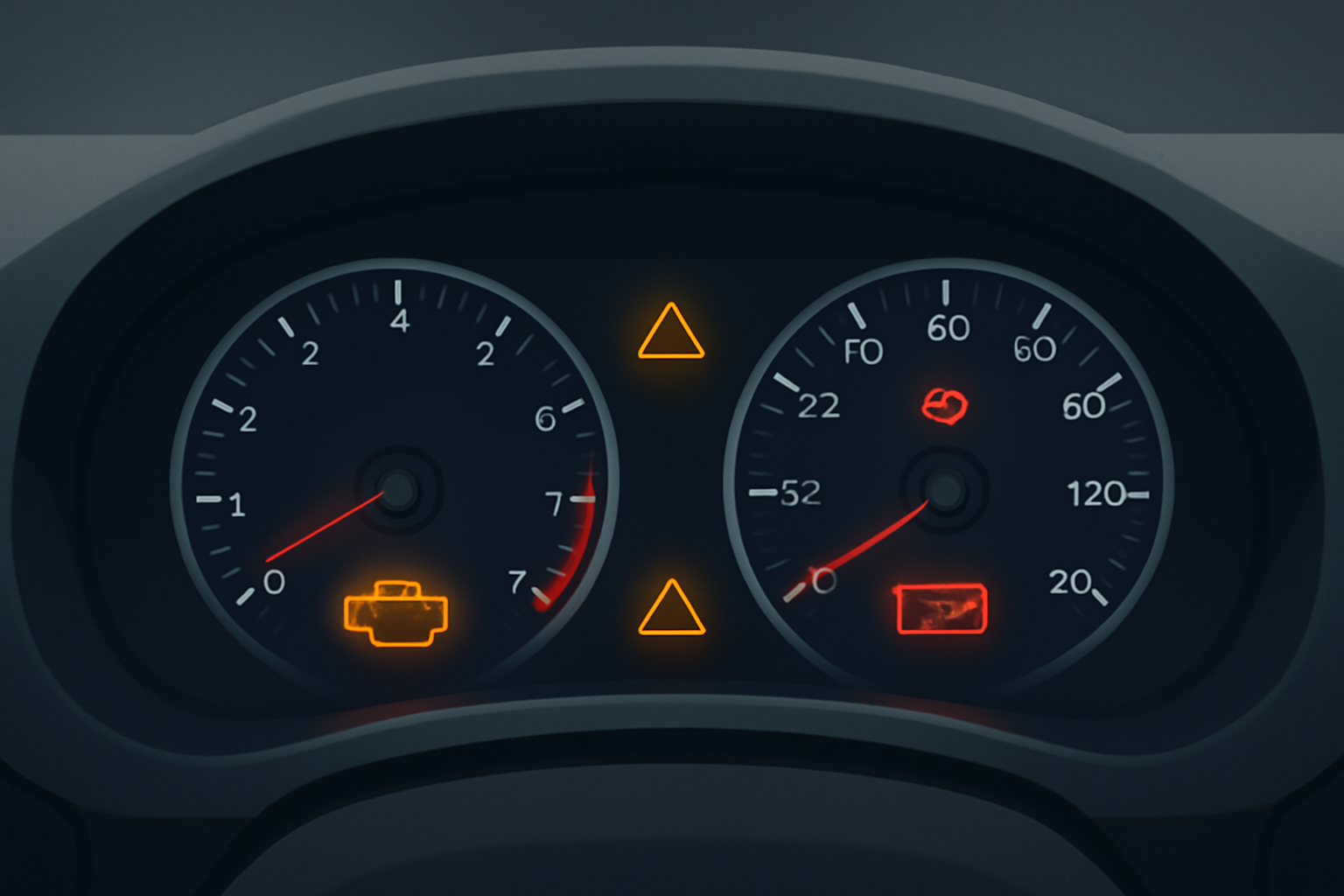 The check engine light might illuminate for hundreds of different reasons—from a loose gas cap to a failing catalytic converter. Don't play guessing games; get it scanned at an auto parts store (many offer this service for free) or by your mechanic.
The oil pressure light demands immediate action. If it comes on while driving, pull over when safe and shut off your engine. Continuing to drive could result in catastrophic engine failure.
Many drivers ignore initial warning signs because their car "still drives fine." This mindset can transform a $200 repair into a $2,000 nightmare. Remember: your owner's manual contains a complete guide to your vehicle's warning lights and their meanings.
Brake System Maintenance is Critical
Nothing is more important than your ability to stop. Period.
Check your brake fluid level monthly by locating the reservoir under the hood (consult your manual for the exact location).
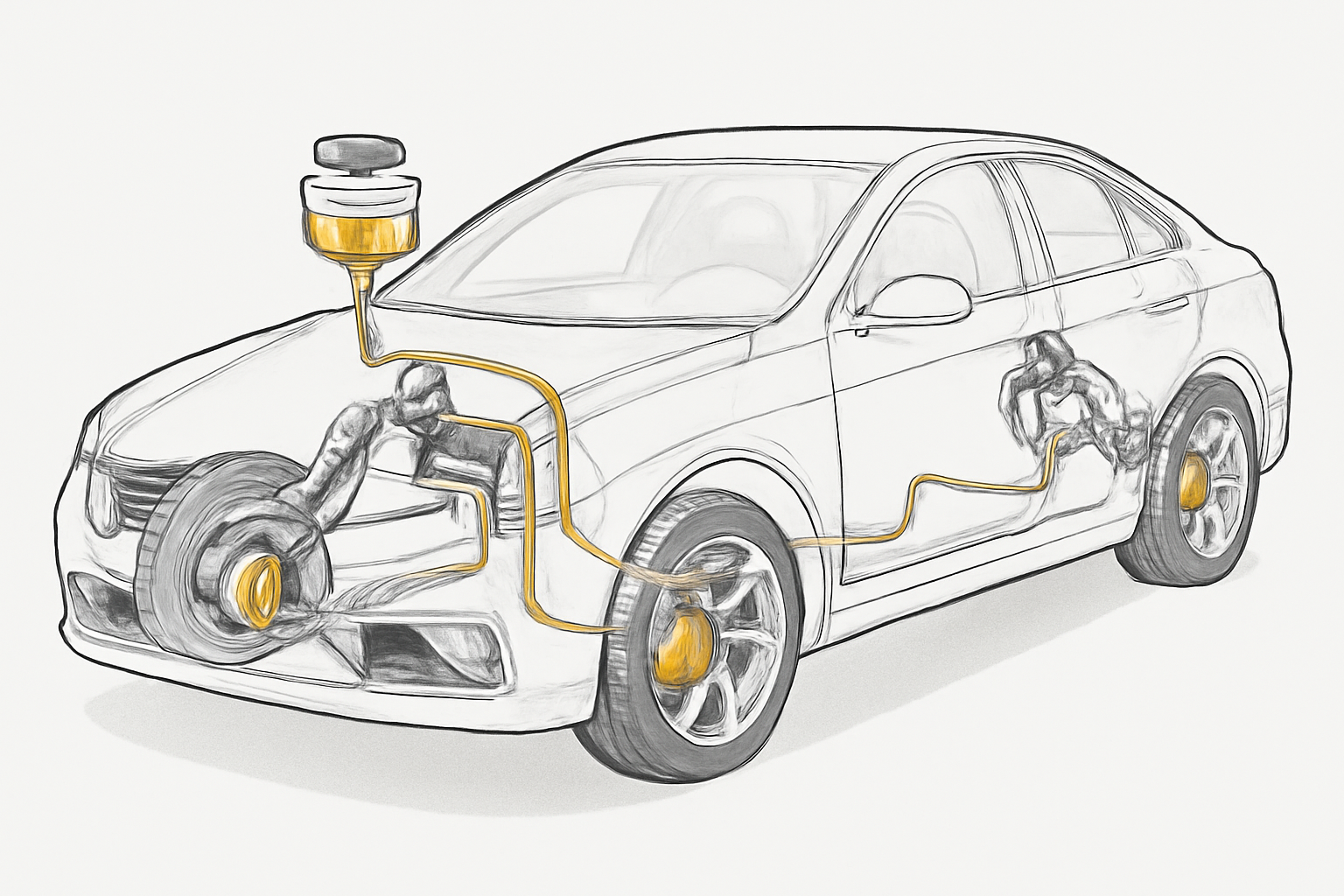 The fluid should be between the "min" and "max" lines and appear clear or amber-colored. Dark brown fluid indicates contamination and needs changing.
Pay attention to how your brake pedal feels. If it's spongy, sinks to the floor, or requires more pressure than usual, something's wrong. Also watch for pulling to one side when braking—this could indicate uneven brake wear or a stuck caliper.
Most brake pads come with built-in wear indicators that create that telltale squealing when they're thin. Don't ignore this sound—it's designed to warn you before metal-on-metal damage occurs.
Professional brake inspections should happen at least annually or every 12,000 miles, even if everything seems fine.
Keep Your Vehicle Clean, Inside and Out
That winter road salt isn't just unsightly—it's actively eating away at your car's undercarriage. Washing your car regularly, especially after driving on salted roads, prevents corrosion and preserves your vehicle's value.
Apply a quality wax every three months to protect your paint from UV damage and environmental contaminants. Think of it as sunscreen for your car.
Inside, vacuum regularly to prevent dirt particles from grinding into and damaging upholstery. Wipe down surfaces with appropriate cleaners to prevent premature wear and cracking. Don't forget to empty your trunk of unnecessary items—extra weight reduces fuel efficiency.
A clean car makes spotting potential problems easier. That mysterious puddle under your car will be more noticeable when you're used to seeing a clean driveway or garage floor.
Drive Smoothly and Avoid Harsh Conditions When Possible
Your driving habits directly impact your car's lifespan. Treating your accelerator and brake pedals like on/off switches stresses your vehicle's systems unnecessarily.
Accelerate gradually, especially from a cold start. Modern engines need less warm-up time than older models, but giving your car 30-60 seconds before driving away allows oil to circulate properly.
Try planning routes that avoid known potholes and rough roads. When you can't avoid them, slow down—hitting a pothole at speed can damage wheels, tires, and suspension components.
Frequent short trips (under 10 minutes) prevent your engine from reaching optimal temperature, leading to incomplete fuel combustion and carbon buildup. Whenever possible, combine errands to give your car time to fully warm up.
Check Your Battery Regularly
Your battery works hardest when you're not driving. Even when your car is off, electronic systems draw small amounts of power.
Inspect battery terminals for whitish-green corrosion buildup, which restricts electrical flow. Clean them using a wire brush and a solution of baking soda and water.
Extreme temperatures are battery killers. In very cold weather, a weak battery may not have enough power to start your car. In summer heat, battery fluid can evaporate, damaging internal components.
Most auto parts stores will test your battery's condition for free. If your battery is over three years old, consider being proactive about replacement, especially before winter months.