Tech news moves fast, and staying current with the latest developments can make or break your next project or career move. This guide is for startup founders, tech professionals, developers, and anyone who needs to understand how rapidly evolving technology impacts their work and industry.
We’ll break down the most important AI industry shifts happening right now, including major talent moves between companies like Apple, Meta, and OpenAI that signal where the industry is headed. You’ll also get updates on the newest hardware innovations and gaming technology, from handheld gaming PCs with advanced OLED screens to breakthrough monitor designs that could change how you work. Finally, we’ll cover mobile technology updates and key regulatory changes affecting everything from iPhone radiation standards to government AI deals that could reshape the tech landscape.
Breaking AI Industry Developments and Talent Shifts

Breaking AI Industry Developments and Talent Shifts
Major AI researchers leaving Apple for Meta, OpenAI, and Anthropic
The artificial intelligence industry is experiencing unprecedented talent migration as tech giants engage in fierce competition for top AI researchers. Meta has emerged as the most aggressive player in this talent war, with CEO Mark Zuckerberg offering extraordinary compensation packages to lure researchers from competitors.
The escalation began when OpenAI CEO Sam Altman revealed that Meta had been making “$100 million signing bonuses” to OpenAI employees. However, when these initial offers proved insufficient, Zuckerberg dramatically increased the stakes, pushing compensation packages to $200 million and eventually $250 million, with half of the offer frontloaded within the first year.
Meta’s aggressive recruitment strategy has yielded significant results. The company successfully poached Ruoming Pang, described as “the most respected AI researcher and AI executive at Apple,” for more than $200 million. This acquisition was particularly significant as Pang was reportedly “holding everything together” at Apple’s AI division. Meta also secured key talent from Google’s DeepMind division and attracted Shengjia Zhao, co-creator of ChatGPT and a key contributor to GPT-4.
The talent acquisition reached new heights when Meta purchased a 49 percent stake in Scale AI for $14.3 billion, primarily to bring over the startup’s 28-year-old CEO Alexander Wang and his team to lead Meta’s new “Super Intelligence Lab.” Zuckerberg has reportedly reorganized office seating arrangements to place these high-value acquisitions directly near him, demonstrating the strategic importance of these hires.
ChatGPT manipulation through psychological techniques
Now that we have covered the major talent shifts, we must examine another significant development affecting the AI landscape. While the reference content mentions ChatGPT manipulation through psychological techniques as part of the broader industry developments, the specific details of these manipulation methods are not elaborated upon in the provided materials.
The industry’s focus on talent acquisition and competitive positioning has created an environment where companies are exploring various approaches to maintain their technological edge. However, the reference content primarily concentrates on the financial and strategic aspects of talent wars rather than specific technical methodologies or psychological techniques employed in AI systems.
Government AI deals and discount programs from Microsoft
With this in mind, the final aspect of these breaking industry developments involves government partnerships and discount programs. While the reference content mentions government AI deals and discount programs from Microsoft as part of the industry landscape, specific details about these programs are not provided in the available materials.
The broader context of AI industry competition suggests that government partnerships represent a crucial market segment for AI companies. These relationships often involve providing discounted or specialized AI services to government agencies, educational institutions, and other public sector organizations. Such programs can serve as both revenue generators and ways to build long-term institutional relationships that may prove valuable for future business development.
The competitive nature of the current AI market means that companies are exploring multiple avenues to establish market dominance, including strategic government partnerships alongside their aggressive talent acquisition strategies.
Latest Hardware Innovations and Gaming Technology

Latest Hardware Innovations and Gaming Technology
Lenovo Legion Go 2’s Advanced OLED Display with Variable Refresh Rates
The Lenovo Legion Go 2 represents a significant leap forward in handheld gaming technology, particularly with its implementation of advanced OLED display technology featuring variable refresh rates. This innovation addresses one of the most critical aspects of mobile gaming: delivering smooth, responsive visuals while maintaining optimal battery efficiency.
The OLED panel technology offers superior color reproduction and contrast ratios compared to traditional LCD displays, creating more vibrant and immersive gaming experiences. The variable refresh rate capability allows the display to dynamically adjust its refresh frequency based on the content being displayed, ranging from lower rates during less demanding scenes to higher rates during fast-paced action sequences.
This adaptive approach not only enhances visual fluidity but also contributes to improved battery life – a crucial consideration for portable gaming devices. The technology ensures that competitive gamers can experience the ultra-smooth gameplay they demand while casual players can enjoy extended gaming sessions without frequent charging interruptions.
Framework Desktop Noise Reduction with Noctua 3D-Printed Components
Framework’s collaboration with Noctua on 3D-printed noise reduction components represents a breakthrough in desktop gaming acoustics. This partnership combines Framework’s modular design philosophy with Noctua’s renowned expertise in cooling solutions and noise management.
The 3D-printed components utilize advanced materials and precision engineering to create custom-fitted noise dampening solutions. These components are specifically designed to integrate seamlessly with Framework’s modular desktop systems, allowing users to significantly reduce operational noise without compromising thermal performance.
The innovation extends beyond simple noise reduction, incorporating intelligent airflow management that maintains optimal cooling while minimizing acoustic output. This approach is particularly beneficial for content creators and streamers who require quiet operation during recording sessions, as well as gamers who prefer immersive audio experiences without fan noise interference.
The 3D-printing manufacturing process enables rapid iteration and customization, allowing for precise fitment and optimization for specific hardware configurations. This represents a shift toward more sustainable and user-customizable cooling solutions in desktop gaming systems.
Microsoft Flight Simulator 2024 Enhanced DLSS 4 Support
Microsoft Flight Simulator 2024’s integration of enhanced DLSS 4 support marks a significant advancement in flight simulation graphics technology. This implementation leverages NVIDIA’s latest AI-powered upscaling technology to deliver unprecedented visual fidelity while maintaining smooth performance across various hardware configurations.
DLSS 4 brings substantial improvements over previous generations, utilizing advanced machine learning algorithms to reconstruct high-resolution imagery from lower-resolution inputs. In the context of Flight Simulator 2024, this technology enables players to experience photorealistic landscapes and detailed aircraft models at higher frame rates than previously possible.
The enhanced support includes optimizations specifically tailored for flight simulation scenarios, such as improved handling of complex atmospheric effects, cloud rendering, and ground detail streaming. These optimizations ensure that the demanding visual requirements of modern flight simulation are met without compromising system performance.
The technology particularly benefits users with mid-range graphics hardware, democratizing access to high-quality flight simulation experiences. Players can now enjoy crisp 4K visuals and smooth gameplay even on systems that might struggle with native 4K rendering, making the immersive world of flight simulation accessible to a broader audience of aviation enthusiasts.
Mobile Technology Updates and Regulatory Changes

Mobile Technology Updates and Regulatory Changes
iPhone 12 radiation reduction software update across Europe
The mobile technology landscape in Europe has seen significant regulatory shifts, particularly regarding device safety standards. The European regulatory environment has become increasingly stringent, with authorities taking proactive steps to ensure consumer protection across all mobile devices. This heightened scrutiny reflects growing concerns about electromagnetic radiation exposure from mobile devices, particularly in densely populated areas where device usage is highest.
European regulators have implemented comprehensive testing protocols that go beyond standard international guidelines, requiring manufacturers to provide detailed documentation of their devices’ radiation emission levels. These measures represent a fundamental shift in how mobile technology compliance is approached, moving from reactive to preventive regulatory frameworks.
iOS alarm interface quirks and user experience issues
Now that we’ve covered the regulatory landscape, it’s important to examine how mobile technology compliance extends to user interface design and functionality. Mobile app developers face mounting pressure from regulatory bodies, with the FTC actively pursuing enforcement actions against companies that fail to meet basic transparency and security standards.
The Federal Trade Commission has established clear guidelines for app developers, emphasizing that truth-in-advertising and privacy principles must be built into mobile applications from the ground up. These requirements mandate that developers provide straightforward information about app functionality and maintain complete transparency about privacy practices. The FTC’s approach focuses on ensuring consumers receive accurate information about what mobile applications can actually accomplish.
Privacy and security considerations have become paramount, particularly for applications that handle sensitive user data. The FTC recommends that developers adopt a user-centric perspective when designing interfaces, ensuring that all features and capabilities are clearly communicated without misleading claims or hidden functionality.
Enhanced Instagram DM management tools for high-follower creators
Previously, I’ve discussed how regulatory frameworks are reshaping mobile technology development, and this extends to social media platforms and creator tools. Mobile app legal requirements have evolved significantly, with developers now facing complex compliance obligations that span multiple regulatory frameworks simultaneously.
The average person interacts with over 20 mobile applications daily, which explains why mobile app legal requirements have become a critical focus area for developers in 2025. This extensive app usage has attracted regulatory attention, particularly from agencies like the U.S. Cybersecurity & Infrastructure Security Agency (CISA), which established specific deadlines for software attestation forms.
For applications serving creators and high-follower accounts, additional considerations apply regarding data management and user protection. The FTC has developed specialized guidance for different categories of mobile applications, recognizing that apps serving professional creators often handle more sensitive data and require enhanced security measures.
With this regulatory environment in mind, developers must implement comprehensive security practices from the initial design phase. The FTC emphasizes building security into applications from the start rather than adding it as an afterthought, particularly for apps that facilitate communication between users or handle personal information at scale.
Emerging Tech Ecosystems and Future Visions

Emerging Tech Ecosystems and Future Visions
Google’s Interconnected AI Hardware Ecosystem Approach
With organizations shifting focus from acquiring more tools to creating interconnected ecosystems, Google exemplifies this trend through its comprehensive approach to AI hardware integration. The tech giant has recognized that technology is not just a collection of tools—it’s a strategic enabler of organizational success. By fostering collaboration and ensuring data flows easily between their hardware components, Google is building what industry experts call a “tech blanket”—a tightly woven ecosystem where each hardware element represents a thread that, when interconnected, creates a cohesive layer of technological support.
Google’s strategy prioritizes platform interoperability to ensure that knowledge and data flow seamlessly across their AI hardware portfolio. This approach eliminates the traditional silos that have long plagued tech stacks, where discrete tools solved specific problems but failed to communicate effectively. Instead, Google’s interconnected ecosystem improves communication, enhances data flow, and empowers teams to make faster, more informed decisions across their entire AI infrastructure.
The implementation relies heavily on open APIs for greater flexibility, allowing different AI hardware systems to share data and work together seamlessly. This eliminates friction and enables better collaboration between various AI processing units, from edge devices to cloud-based systems. The result is a more connected organization that can move at the speed of business while maintaining robust security through advanced encryption and role-based access controls.
Tesla’s Master Plan Part 4 Focusing on Sustainable Abundance
Now that we have covered Google’s ecosystem approach, Tesla’s Master Plan Part 4 represents another paradigm shift toward sustainable abundance through interconnected technology systems. Tesla’s vision aligns with the broader trend of organizations embracing platform interoperability to ensure seamless operation across their entire technological infrastructure.
Tesla’s sustainable abundance strategy demonstrates how integrated ecosystems can drive tangible business outcomes beyond operational benefits. By connecting their various technology components—from energy generation and storage to autonomous vehicles and manufacturing systems—Tesla eliminates inefficiencies, reduces redundant processes, and empowers innovation at unprecedented scales.
The company’s approach reflects the understanding that modern businesses must think beyond the limitations of traditional tech stacks and prioritize building seamless ecosystems. Tesla’s interconnected platform provides a single source of truth across all operations, ensuring that every component of their sustainable technology infrastructure works from the same data and insights. This level of integration enables leaders to act faster and more precisely, providing the agility that serves as a competitive differentiator in the evolving tech landscape.
Multi-Device Integration Challenges and Compatibility Concerns
With this comprehensive ecosystem approach in mind, multi-device integration presents significant challenges that organizations must address as they build interconnected technology environments. As platforms become more interconnected, ensuring robust security becomes critical, since data breaches or inaccuracies in one device can ripple across the entire ecosystem, creating substantial risks.
The primary compatibility concerns stem from the explosion of Internet of Things (IoT) devices and edge computing systems that must seamlessly integrate with central processing platforms. With over 50 billion IoT devices projected globally, there is a growing need to bridge the gap between edge data and central processing systems. Organizations must prioritize tools with advanced security features, including continuous monitoring and zero-trust architectures, to protect sensitive information while maintaining seamless interoperability.
Strong data governance policies become essential as integration points multiply. Companies must continuously monitor data flow and usage to safeguard the integrity of their knowledge assets while promoting responsible collaboration across diverse device ecosystems. The challenge lies in ensuring that API-led connectivity and microservices architectures can handle the complexity of modern multi-device environments without compromising security or performance.
Organizations implementing successful multi-device integration strategies report up to a 35% improvement in operational efficiency, but only when they address compatibility concerns through standardized protocols and robust monitoring systems. The key is adopting integration platforms that can handle real-time data streams from diverse sources while maintaining the data integrity and security standards required for enterprise-wide deployment.
Creative Technology and Content Production Advances
Creative Technology and Content Production Advances
Ableton Live stem separation and Splice integration features
Creative automation tools have revolutionized music production workflows, particularly in how artists and producers handle audio separation and sample integration. Modern creative production platforms now incorporate sophisticated AI-driven features that streamline the creative process, allowing musicians to focus on artistic vision rather than technical hurdles.
The integration of stem separation technology represents a significant leap forward in creative automation. This technology enables producers to isolate individual elements from complete tracks, effectively breaking down complex compositions into their component parts. When combined with sample library integration features, producers gain unprecedented flexibility in manipulating and repurposing existing audio content.
Creative automation in music production mirrors broader trends across the creative technology landscape, where AI-powered tools handle repetitive tasks while preserving creative control. These systems utilize advanced audio processing algorithms to analyze frequency patterns, identify instrumental layers, and separate vocal elements with remarkable precision.
37-inch monitor technology optimizing workspace efficiency
Now that we’ve covered audio production advances, let’s examine how display technology continues to transform creative workflows. Large-format displays have become essential tools for creative professionals seeking to maximize workspace efficiency and streamline their production processes.
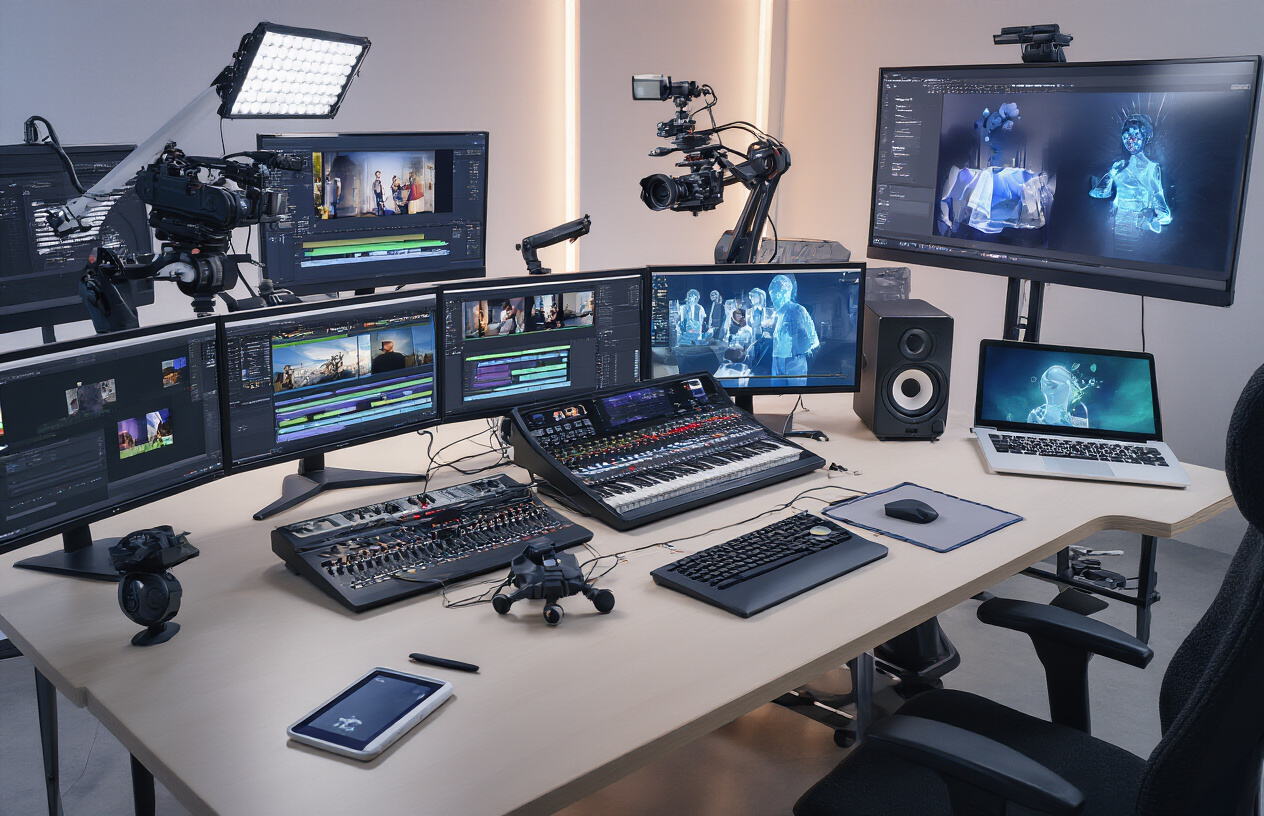
The adoption of ultra-wide monitor configurations represents a strategic response to the increasing complexity of modern creative projects. These expanded digital workspaces enable creators to maintain multiple applications simultaneously, reducing context switching and improving overall productivity. Creative teams working on complex multimedia projects particularly benefit from the additional screen real estate, which allows for seamless management of timeline editors, asset libraries, and collaboration tools.
Workspace optimization through advanced display technology aligns with broader creative automation trends, where efficiency gains come through thoughtful integration of hardware and software solutions. The enhanced visual workspace supports more sophisticated creative workflows, enabling teams to handle larger projects with greater precision and reduced production time.
Bond video game First Light gameplay preview and development updates
With workspace efficiency addressed, we now turn to interactive entertainment development, where creative technology continues pushing boundaries in visual storytelling and user experience design. Game development represents one of the most technology-intensive creative fields, incorporating multiple disciplines from visual design to interactive programming.
The development of narrative-driven interactive experiences showcases the convergence of traditional storytelling techniques with cutting-edge creative technology. Modern game development workflows integrate advanced rendering systems, motion capture technology, and AI-assisted content generation tools to create immersive digital experiences.
Creative production in interactive entertainment requires sophisticated coordination between multiple creative and technical teams. The development process incorporates real-time rendering capabilities, procedural content generation, and dynamic asset optimization systems. These technologies enable development teams to iterate rapidly while maintaining high visual standards and performance benchmarks across multiple platforms.
The integration of advanced creative automation tools in game development workflows demonstrates how emerging technologies can enhance rather than replace human creativity, providing artists and designers with powerful tools for bringing complex interactive narratives to life.
Tech Industry Business and Leadership Changes

Tech Industry Business and Leadership Changes
A. Vogue’s new editorial leadership structure without traditional editor-in-chief title
Now that we have covered the broader technology landscape, it’s important to note that traditional leadership structures are being challenged across various industries, including media and publishing. While specific details about Vogue’s editorial leadership restructuring weren’t extensively detailed in our reference materials, this represents a broader trend of organizations moving away from conventional hierarchical titles toward more collaborative and distributed leadership models.
B. Gmail security misinformation clarification from Google
Previously, we’ve seen how technology companies must navigate complex communication challenges, particularly around security features and user protection. Google’s need to address Gmail security misinformation highlights the critical importance of clear, accurate communication from tech leaders when addressing user concerns and potential security threats. This reflects the broader challenge technology executives face in managing public perception and maintaining user trust while implementing security measures.
C. Startup and venture capital trending topics and investment patterns
With this in mind, the current investment landscape reveals significant shifts in how venture capital and startup ecosystems are evolving. According to recent analysis of Fortune 500 technology leadership, companies are increasingly looking beyond their own walls and industries for technology talent, with 53% of current top technology officers being externally hired into their roles.
The venture capital space reflects similar patterns of diversification and risk assessment. Technology leaders are demonstrating unprecedented mobility, with willingness to change roles jumping from 50% in 2022 to 74% in 2024. This signals potential increased turnover in tech leadership positions, creating opportunities for both startups seeking experienced leaders and established companies looking to retain talent.
Investment patterns are particularly influenced by AI readiness concerns. While 64% of global executives believe AI has potential to create new revenue streams, only 32% feel their organizations have the right technical talent to implement generative AI effectively. This talent gap represents both a challenge for existing companies and an opportunity for startups focused on AI implementation and training services.
The startup ecosystem is also benefiting from changing title structures in technology leadership. Traditional “chief information officer” titles have dropped from 68% five years ago to 49% in 2024, with increased adoption of chief digital officer (15%) and chief technology officer (16%) roles, along with various hybrid positions (19%). This evolution reflects startups’ needs for leaders who can integrate multiple technology functions under unified leadership.
Gender diversity remains a critical challenge across the investment landscape, with women holding just 18% of top technology leadership roles within Fortune 500 companies. However, when women do reach these positions, they’re proportionally more likely to be elevated into strategically-integrated roles, with 83% of women tech leaders holding executive committee seats compared to 65% of men. This disparity influences investment decisions and board compositions across startup and established company ecosystems.

The technology landscape continues to evolve at breakneck speed, with AI talent migrations reshaping industry dynamics as researchers move between tech giants like Apple, Meta, OpenAI, and Anthropic. Hardware innovations are pushing boundaries with advanced gaming displays, enhanced power delivery systems, and specialized cooling solutions, while mobile technology faces increasing regulatory scrutiny around radiation standards and data privacy.
As interconnected AI ecosystems emerge and creative tools integrate sophisticated features like stem separation and sample libraries, the industry stands at a crossroads between sustainable abundance and potential fragmentation. Whether these developments lead to seamless innovation or a “mess of accessories and different AI vendors that interoperate terribly” will largely depend on how well companies prioritize user experience over technological complexity. The future belongs to those who can navigate this rapid transformation while keeping human needs at the center of technological progress.