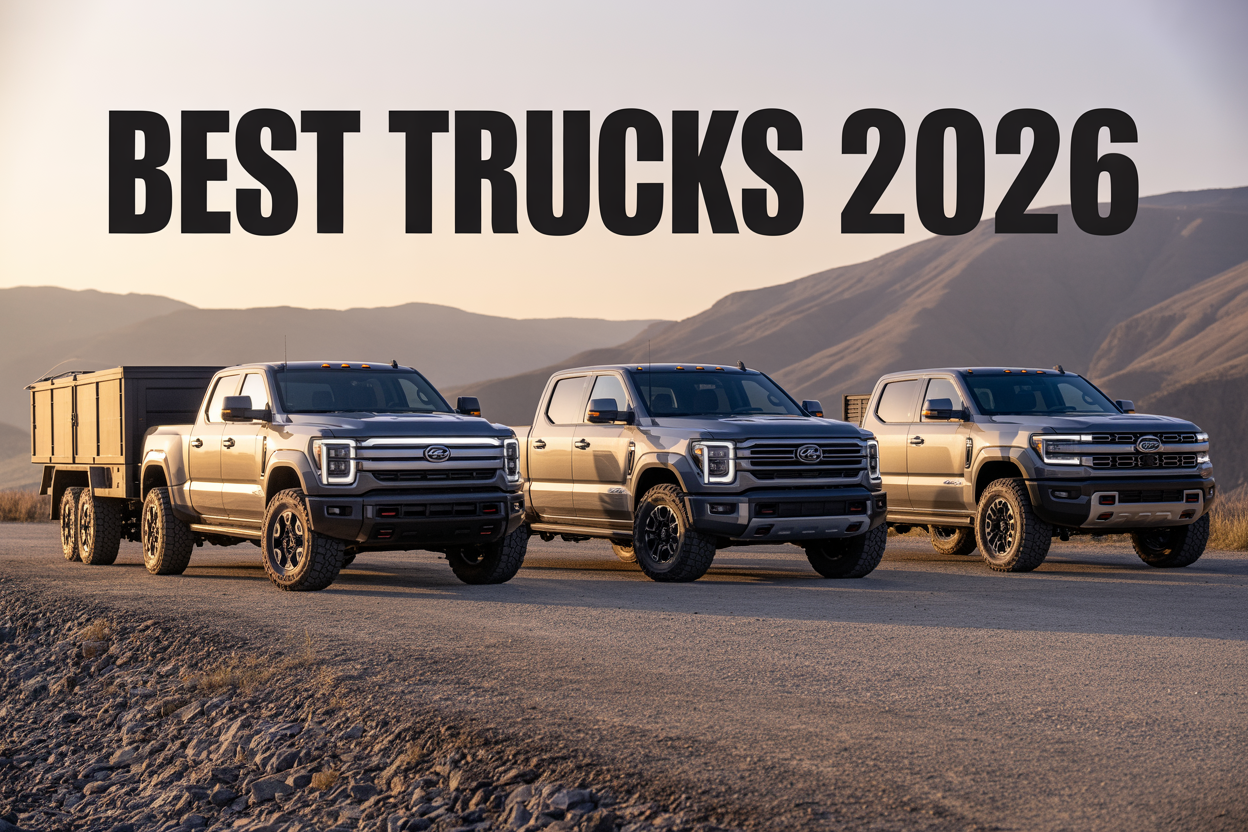
America’s heavy-duty pickup truck market has never been more competitive, with 2026 models delivering incredible towing power, advanced technology, and surprising comfort. This guide is for truck buyers who need serious capability – contractors hauling equipment, RV enthusiasts pulling large trailers, and anyone who demands maximum performance from their pickup.
Heavy-duty trucks have evolved far beyond basic work vehicles. Today’s top performers can tow over 35,000 pounds while offering luxury car interiors and cutting-edge safety features. You’ll pay more than a standard pickup, but these trucks deliver unmatched versatility for work and play.
We’ll break down the heavy-duty truck categories and their ideal uses, helping you choose between different weight classes and configurations. You’ll also discover the top-performing heavy-duty pickup trucks for 2026, including detailed comparisons of towing capacity, engine options, and real-world capability. Finally, we’ll examine the comfort and technology features that make these powerful trucks surprisingly livable as daily drivers, from premium interiors to advanced driver assistance systems.
Heavy-Duty Truck Categories and Their Best Uses
Heavy-Duty Truck Categories and Their Best Uses
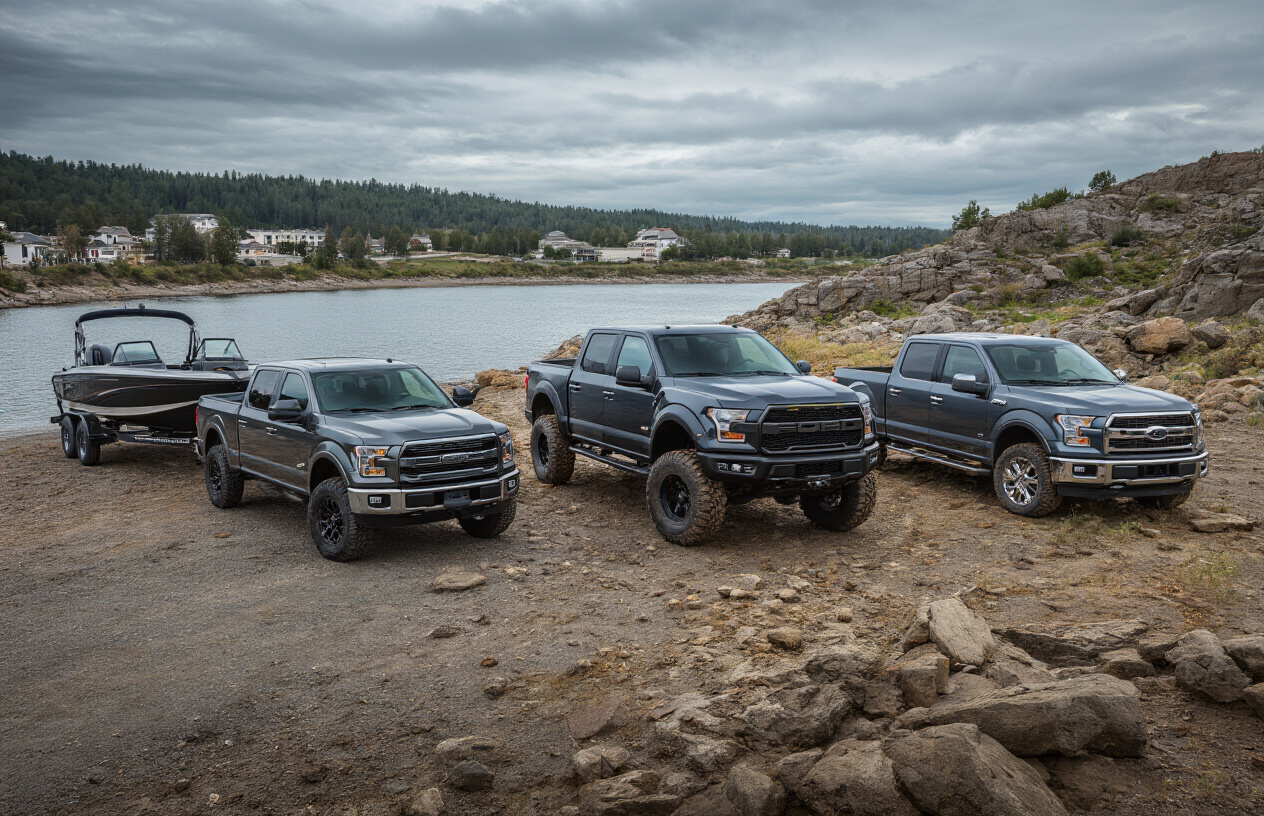
Understanding the various categories of heavy-duty trucks is essential for making informed purchasing decisions, especially as the 2026 market continues to face regulatory pressures and economic challenges. The commercial vehicle industry operates under specific classifications that determine capability, regulatory compliance, and optimal applications.
Small Trucks for City-Friendly Utility and Fuel Economy
Small trucks represent the entry point into commercial utility vehicles, designed primarily for urban environments where maneuverability and fuel efficiency take precedence over raw power. These vehicles excel in tight city spaces where larger trucks would struggle, making them ideal for delivery services, light construction work, and small business operations. With current economic factors including elevated borrowing costs disproportionately impacting small and mid-size carriers, these trucks offer a more accessible entry point into commercial vehicle ownership while maintaining operational flexibility.
Midsize Trucks for Balanced Capability and Maneuverability
Midsize trucks bridge the gap between compact utility and full-size capability, offering a balanced approach to commercial vehicle needs. These trucks provide enhanced towing capacity and payload compared to their smaller counterparts while maintaining reasonable fuel economy and manageable operating costs. As the industry faces ongoing profitability pressures, with carrier net income margins declining for twelve consecutive quarters, midsize trucks represent a strategic compromise for operators seeking versatility without the higher operating costs associated with larger vehicles.
Large Trucks for Maximum Versatility and Power
Large trucks deliver substantial capability for diverse commercial applications, from construction to freight hauling. These vehicles offer significantly increased towing and payload capacities while still maintaining reasonable maneuverability for most commercial environments. The current market conditions, with OEMs adjusting build plans downward and focusing on aligning production with actual order activity, have created opportunities for buyers seeking maximum versatility in a single platform.
Heavy-Duty Trucks for Ultimate Towing and Payload Capacity
Heavy-duty trucks, particularly Class 8 vehicles, represent the pinnacle of commercial truck capability. These trucks are engineered for maximum towing capacity and payload handling, making them essential for long-haul operations, heavy construction, and industrial applications. However, the 2026 outlook for this segment remains complex, with EPA’s Clean Truck and GHG-3 regulations creating uncertainty in fleet planning decisions.
The regulatory environment continues to influence heavy-duty truck selection, with many fleets viewing a full repeal of EPA’s low-NOx rule as increasingly likely. This uncertainty, combined with tariffs on key components resulting in 2-4% price increases per unit, has made prebuy economics more challenging to justify. Class 8 backlogs have fallen to their lowest level in nearly nine years, indicating a market operating well below growth conditions.
Despite these challenges, vocational demand remains more resilient due to public investment and replacement needs. Heavy-duty trucks continue to serve essential roles in freight-generating sectors including housing, manufacturing, and retail, though momentum in these areas has recently declined. For operators with specific heavy-duty requirements, these trucks remain irreplaceable for applications demanding ultimate capability, though careful consideration of total cost of ownership and regulatory compliance is more critical than ever in the current market environment.
Top-Performing Heavy-Duty Pickup Trucks for 2026
Top-Performing Heavy-Duty Pickup Trucks for 2026
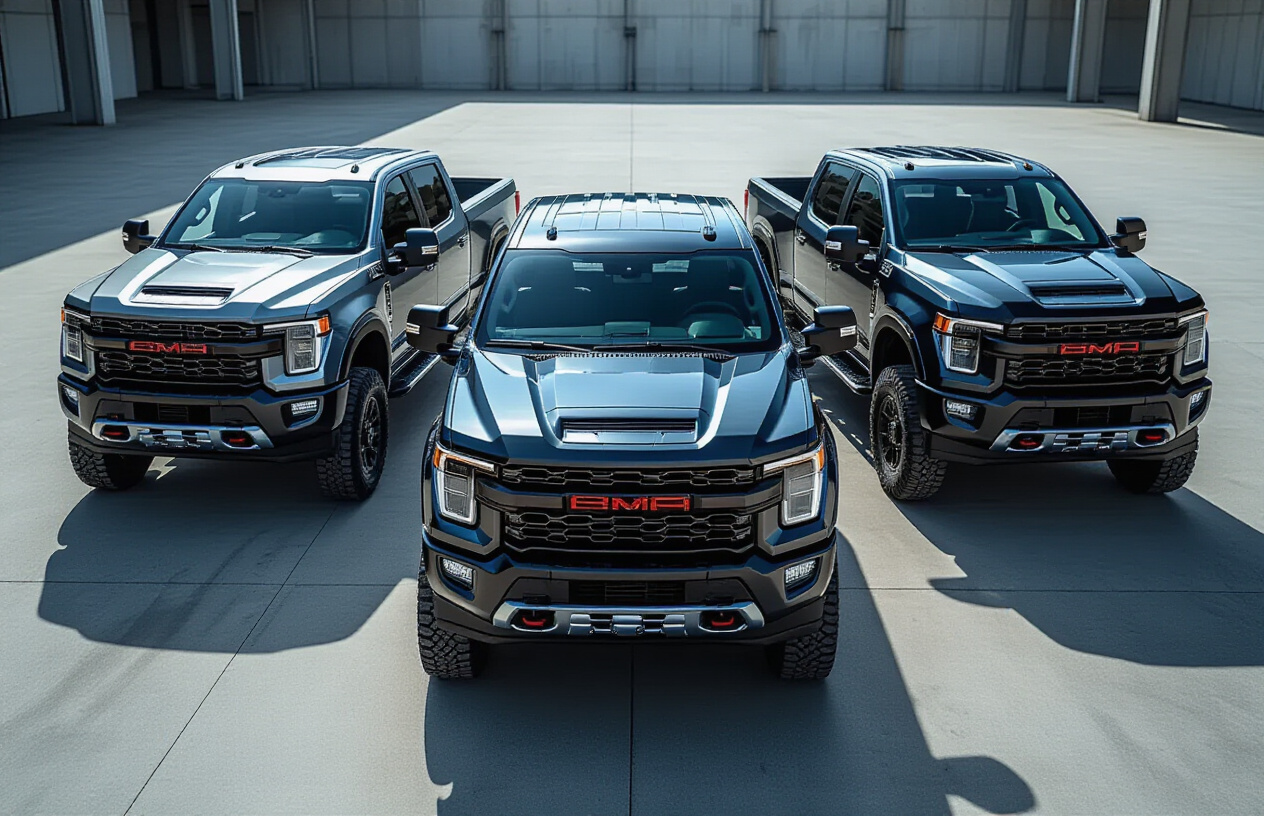
Now that we have covered the different categories and their applications, let’s examine the standout heavy-duty pickup trucks that are setting the bar for 2026. Each manufacturer has refined their offerings to deliver exceptional performance across towing, hauling, and comfort metrics.
Ram HD Series – Luxury Interiors with Maximum Hauling Power
The Ram heavy-duty lineup continues to dominate the segment with both the 2500 and 3500 models earning top rankings from MotorTrend as #1 in Heavy Duty Trucks and #1 in Heavy Duty Dually Trucks respectively. For 2026, Ram builds on last year’s comprehensive refresh that introduced new design details, advanced tech features, and premium interior amenities.
The standout feature remains the optional high-output Cummins diesel engine, which delivers exceptional torque for the most demanding hauling tasks. This powertrain enhancement, introduced in 2025, continues to set the standard for diesel performance in the heavy-duty segment.
Ram expands its 2026 heavy-duty offerings by introducing the value-focused Black Express trim and the sport-inspired Warlock model to the HD lineup for the first time. These additions provide more options for buyers seeking either budget-conscious solutions or enhanced styling without compromising the legendary hauling capabilities.
All 2026 Ram HD models benefit from the manufacturer’s new 10-year, 100,000-mile powertrain warranty, a significant upgrade from the previous five-year, 60,000-mile offering. This comprehensive coverage includes the engine, transmission, transfer case, driveshafts, differentials, and axles, providing exceptional peace of mind for commercial and recreational users.
Ford Super Duty F-250 – Proven Performance with Premium Features
With this in mind, next we’ll examine Ford’s heavy-duty offerings, though specific details about the 2026 Super Duty F-250 updates are not available in the current reference materials. Ford’s Super Duty lineup has historically maintained strong market presence through consistent performance and reliability.
Chevrolet Silverado HD – Value-Oriented Muscle with Diesel Options
Previously established as a competitive force in the heavy-duty segment, the Chevrolet Silverado HD continues to offer compelling value propositions, though specific 2026 model year details are not provided in the available reference content.
GMC Sierra HD – Professional-Grade Towing up to 36,000 Pounds
Similarly, while GMC’s Sierra HD lineup is known for its professional-grade capabilities and impressive towing ratings, specific information about 2026 model updates is not included in the current reference materials.
The heavy-duty truck landscape for 2026 shows Ram leading with concrete improvements and enhanced warranty coverage, while other manufacturers’ specific updates remain to be detailed as model year information becomes available.
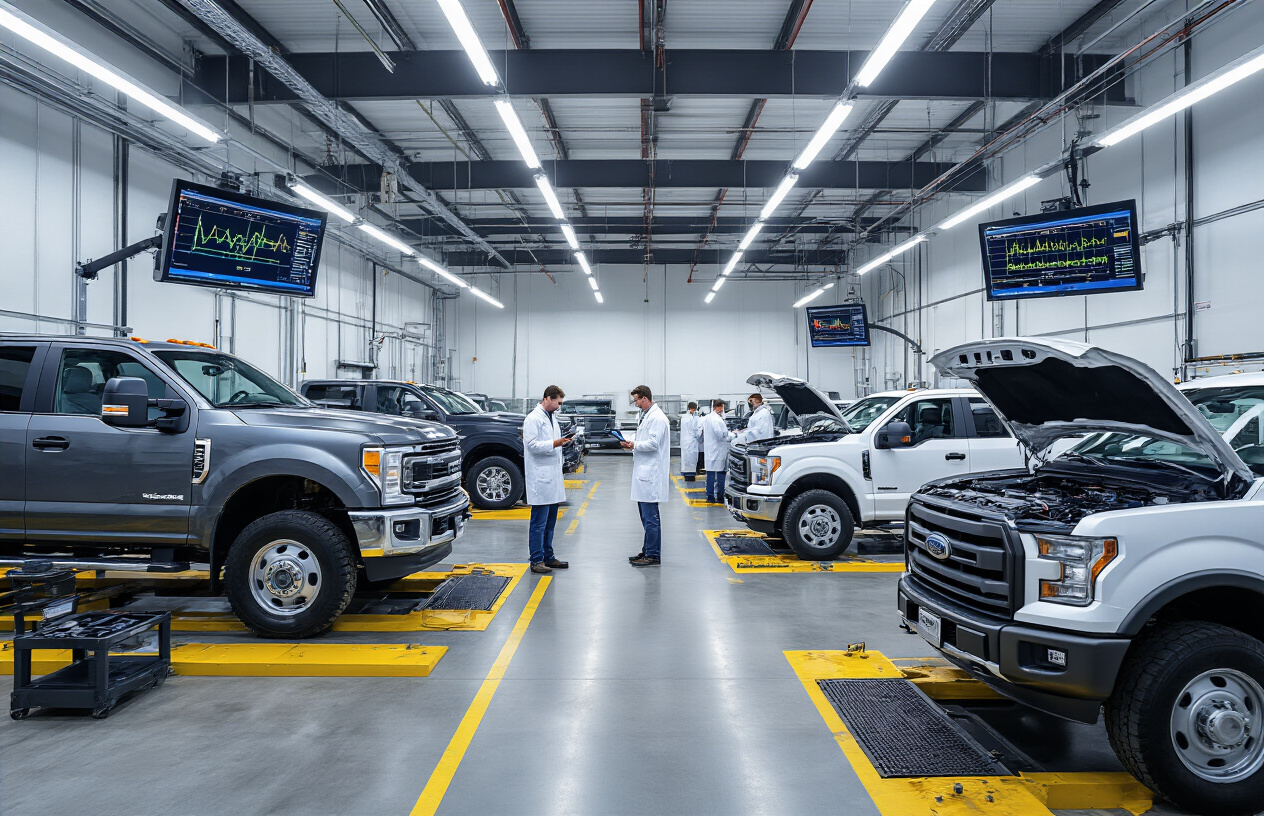
Essential Performance Metrics for Heavy-Duty Truck Selection
Essential Performance Metrics for Heavy-Duty Truck Selection
Towing Capacity Ratings for Different Hitch Configurations
Understanding towing capacity ratings across different hitch configurations is crucial for maximizing your heavy-duty truck’s potential. Conventional bumper-pull towing typically offers lower capacity ratings compared to fifth-wheel and gooseneck configurations due to the distribution of tongue weight on the truck’s rear axle.
For 3/4-ton heavy-duty trucks, conventional towing capacities range from 20,000 pounds for the Chevrolet Silverado 2500HD and GMC Sierra 2500HD, while the Ford F-250 Super Duty leads with 22,000 pounds. However, when switching to gooseneck configurations, these same trucks can handle significantly more weight – the Silverado and Sierra jump to 22,430 pounds, while the Ford F-250 reaches 23,000 pounds with gooseneck setup.
The difference becomes even more pronounced with 1-ton trucks. The Ford F-350 Super Duty demonstrates this perfectly, offering 25,000 pounds of conventional towing capacity but an impressive 38,000 pounds with gooseneck configuration. Similarly, the Ram 3500 Heavy Duty achieves a maximum of 36,610 pounds with gooseneck towing, while the Chevrolet Silverado 3500HD and GMC Sierra 3500HD both reach 36,000 pounds in gooseneck configuration compared to their 20,000-pound conventional ratings.
This substantial increase occurs because gooseneck and fifth-wheel hitches transfer weight directly over the truck’s rear axle rather than behind it, providing better stability and allowing for higher weight ratings.
Payload Capacity and Bed Size Specifications
Payload capacity represents the maximum weight of cargo and passengers that can be safely loaded into the truck itself. This critical specification is calculated by subtracting the truck’s curb weight from its Gross Vehicle Weight Rating (GVWR). Understanding this metric is essential because it directly impacts your truck’s ability to handle everyday loads while maintaining safety and performance standards.
Heavy-duty trucks typically offer substantially higher payload capacities than their light-duty counterparts. For practical reference, common loads include one-quarter cord of firewood at approximately 1,250 pounds, half cubic yard of sand weighing 1,300 to 1,500 pounds, or half cubic yard of gravel ranging from 1,200 to 1,450 pounds. These examples help illustrate how payload capacity translates to real-world hauling scenarios.
Bed size specifications directly influence payload utility and should be considered alongside capacity ratings. The combination of adequate payload capacity and appropriate bed dimensions ensures optimal load distribution and safety. Remember that payload capacity includes passengers, so a crew cab configuration with five occupants will reduce available cargo capacity accordingly.
The relationship between payload and towing is interconnected through the Gross Combined Vehicle Weight Rating (GCVWR), which encompasses both your truck’s weight and any trailer weight, making payload planning essential for comprehensive hauling strategies.
Engine Options Including Diesel Powertrains
Diesel powertrains dominate the heavy-duty truck segment for their superior torque delivery and towing capabilities. The Chevrolet Silverado 2500HD and 3500HD, along with their GMC Sierra counterparts, utilize the 6.6-liter Duramax turbodiesel V8, which has received recent updates for increased horsepower and torque output, paired with a robust 10-speed automatic transmission.
Ford’s Super Duty lineup features the 6.7-liter Power Stroke turbodiesel V8, available in both standard and High Output configurations. The High Output variant is specifically required for maximum towing capacity ratings in the F-350 Super Duty, delivering the power necessary for 38,000-pound gooseneck towing capability.
Ram’s heavy-duty trucks employ the 6.7-liter turbodiesel inline-6 Cummins engine, also available in High Output form for maximum towing applications. This engine has received significant power increases for the 2025 model year, maintaining Ram’s competitive position in the heavy-duty segment.
These diesel powertrains typically require specific configurations to achieve maximum towing ratings, often including upgraded axle ratios, enhanced cooling systems, and specialized transmission calibrations. The 10-speed automatic transmission now standard across most heavy-duty applications provides improved gear spacing for better performance under load.
Acceleration and Handling Characteristics
Heavy-duty trucks prioritize capability over pure acceleration, but modern diesel powertrains deliver impressive performance considering their substantial curb weights. The high torque output of diesel engines provides strong pulling power from low RPMs, essential for moving heavy loads and trailers from a standstill.
Handling characteristics in heavy-duty trucks focus on stability under load rather than sporty driving dynamics. Advanced features like integrated trailer brake controllers help manage stopping distances when towing, while enhanced cooling systems maintain optimal operating temperatures during demanding applications.
Modern heavy-duty trucks incorporate sophisticated towing technology that affects handling characteristics. Features like trailer sway control, load-leveling systems, and multi-camera trailering assistance systems work together to improve stability and control when hauling maximum-rated loads.
The combination of robust chassis construction, upgraded suspension components, and electronic stability systems ensures that these trucks maintain predictable handling characteristics even when operating at their maximum rated capacities, whether carrying payload or towing substantial trailer weights.
Comfort and Technology Features in Modern Heavy-Duty Trucks
Comfort and Technology Features in Modern Heavy-Duty Trucks
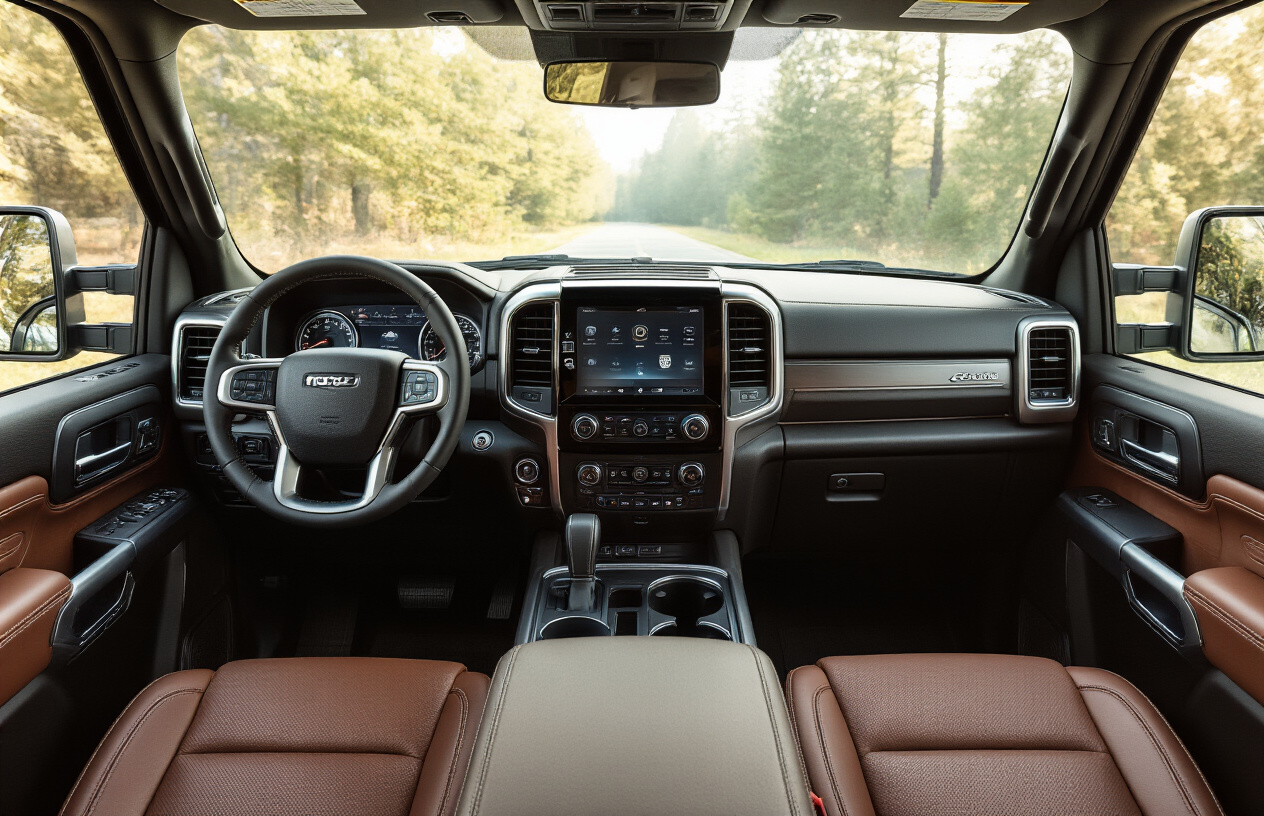
Now that we have covered the essential performance metrics for heavy-duty truck selection, it’s crucial to examine how modern manufacturers have transformed the truck cabin into a comfortable and technologically advanced workspace. Today’s heavy-duty trucks are no longer just about raw power and capability—they’re designed to be a driver’s home away from home.
Interior Quality and Luxury Appointments
Modern heavy-duty trucks have undergone a dramatic transformation in interior design and luxury appointments. Leading manufacturers like RAM have elevated their heavy-duty truck interiors to include available leather seating, advanced climate control systems, and premium audio systems that rival luxury vehicles. These comfort and luxury features ensure that drivers can enjoy a relaxing ride whether they’re driving to a job site or embarking on a road trip.
The emphasis on interior quality extends beyond basic materials to include ergonomic design principles. Manufacturers have invested heavily in seats designed to reduce driver fatigue through multi-way adjustments, lumbar support, and heating and cooling options. The goal is to ensure that drivers remain comfortable during long hours behind the wheel, reducing the risk of back pain or stiffness that can impact performance and safety.
Infotainment Systems and Driver Assistance Technology
Previously, truck technology was limited to basic radios and navigation systems, but today’s heavy-duty trucks feature sophisticated infotainment systems with large touch screens, voice-activated controls, and Bluetooth connectivity. RAM Heavy-Duty Trucks come equipped with innovative Uconnect® systems that allow drivers to easily access navigation, music, and hands-free calling capabilities.
These advanced infotainment systems enable drivers to stay connected without taking their eyes off the road, whether they’re on a work call or enjoying their favorite playlist during weekend adventures. The integration of smart safety technologies has also revolutionized the driving experience, with features such as Adaptive Cruise Control, Blind Spot Monitoring, and Forward Collision Warning becoming standard offerings.
Additionally, modern heavy-duty trucks incorporate cutting-edge towing technologies like Trailer Reverse Guidance and Trailer Tire Pressure Monitoring Systems, which make towing safer and more convenient for both work and recreational applications.
Ride Quality and Noise Levels for Daily Driving
With this in mind, manufacturers have significantly improved ride quality and noise reduction in modern heavy-duty trucks. Advanced climate control systems now feature dual-zone capabilities, allowing for separate temperature settings in different cabin areas. This is particularly important for drivers who spend extended periods in their vehicles, as proper climate control directly impacts comfort and productivity.
Noise-reducing insulation has become a standard feature, creating a quieter cabin environment that reduces driver fatigue and stress. The combination of improved suspension systems and enhanced cabin insulation ensures that heavy-duty trucks can provide a smooth, comfortable ride whether navigating city streets or traveling on highways while towing heavy loads.
Seating Configurations and Passenger Space
Modern heavy-duty trucks offer versatile seating configurations designed to accommodate both work requirements and family needs. The focus on ergonomic seating extends to passenger comfort, with manufacturers providing spacious cabins that can comfortably seat multiple passengers without compromising on comfort or functionality.
The integration of memory foam materials and blackout features in sleeper cab configurations demonstrates how manufacturers have prioritized driver rest and recovery. These seating and sleeping arrangements are designed to help drivers get quality rest, which is essential for safety and performance during long-haul operations or extended work periods.
Value Considerations and Pricing for Heavy-Duty Pickups
Value Considerations and Pricing for Heavy-Duty Pickups
Starting Prices and Well-Equipped Trim Levels
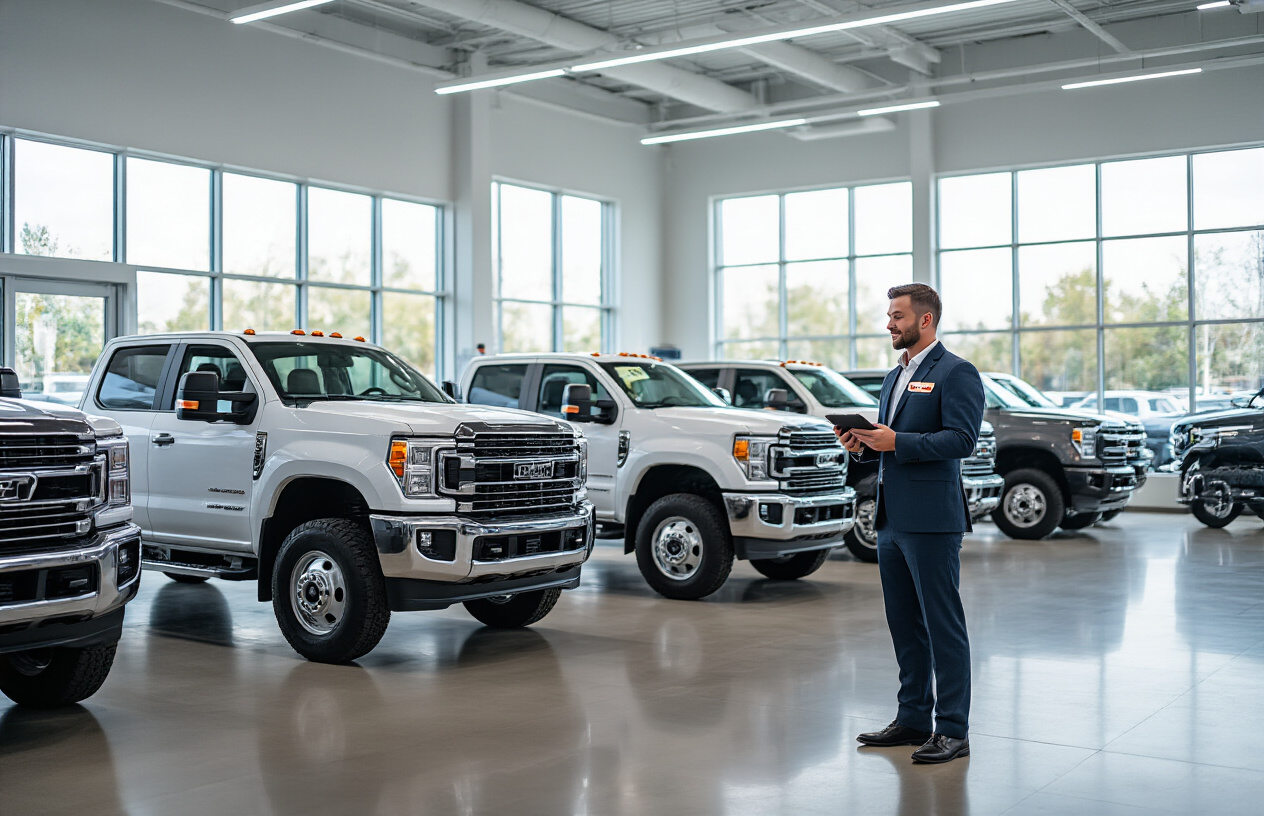
Heavy-duty pickup trucks represent a significant investment, with base models typically starting well above their half-ton counterparts. The current market landscape shows substantial price variations across different manufacturers and trim levels. When evaluating starting prices, buyers must consider that base configurations often lack many of the features that make these trucks practical for heavy work or comfortable for daily driving.
Well-equipped trim levels can push prices considerably higher, but they often provide better value propositions by bundling essential features. The key is finding the sweet spot between necessary capabilities and luxury amenities that align with your specific use case and budget constraints.
Cost-to-Capability Ratios Across Different Brands
With this in mind, next we’ll examine how different manufacturers stack up in terms of delivering capability per dollar spent. The major players – Ford Super Duty, Ram HD, Chevrolet Silverado HD, and GMC Sierra HD – each offer distinct value propositions that cater to different buyer priorities.
Ford’s Super Duty lineup has established itself as proven, powerful, and versatile, bringing the necessary grunt for heavy work while offering luxury options when properly configured. Ram HD models provide exceptional towing and hauling capabilities with interiors that rival luxury vehicles, often delivering premium comfort at competitive price points. The Chevrolet Silverado HD operates like a “10-pound hammer” with serious muscle for big jobs, seating for six, and available diesel options that enhance both capability and efficiency. GMC’s Sierra HD, particularly with diesel engines, offers impressive towing ratings up to 22,500 pounds conventionally or 36,000 pounds with gooseneck configurations.
Long-Term Ownership Value and Reliability
Now that we have covered initial pricing considerations, long-term value retention becomes crucial for heavy-duty truck buyers. According to comprehensive resale value analysis of over 3 million vehicles, the Ram 3500 leads the heavy-duty segment with the best resale value, retaining 76.6 percent of its value after five years. This translates to an average price of $51,193 for five-year-old models, positioning it 5.6 percent above the heavy-duty truck average of 71 percent retention.
The Ford F-350 Super Duty ranks second in resale value, maintaining 74.6 percent of its value after five years with an average used price of $50,511. This 3.6 percent above-average performance demonstrates Ford’s strong market position and buyer confidence in the brand’s reliability.
These resale value metrics are calculated through comprehensive analysis that considers multiple factors including reliability, value retention, and safety ratings. The overall scoring system evaluates vehicles based on data from over 12 million cars, incorporating National Highway Traffic Safety Administration data and Insurance Institute for Highway Safety ratings.
Fuel Efficiency Ratings and Operating Costs
Previously, heavy-duty trucks were notorious for poor fuel economy, but modern diesel and gasoline engines have made significant improvements. Operating costs extend beyond fuel consumption to include maintenance schedules, parts availability, and service intervals that vary considerably between manufacturers and engine options.
Diesel engines typically offer better fuel economy and torque characteristics for towing, but they come with higher initial costs and more complex maintenance requirements. Gasoline engines provide lower upfront costs and simpler maintenance routines, making them attractive for buyers who prioritize lower operating complexity over maximum fuel efficiency.
When calculating total cost of ownership, factor in insurance rates, which can vary significantly based on trim level and safety ratings, as well as expected maintenance costs over your ownership period. Heavy-duty trucks used primarily for work may qualify for tax advantages that improve their overall value proposition for business owners.
Off-Road Capabilities and Work-Ready Features
Off-Road Capabilities and Work-Ready Features
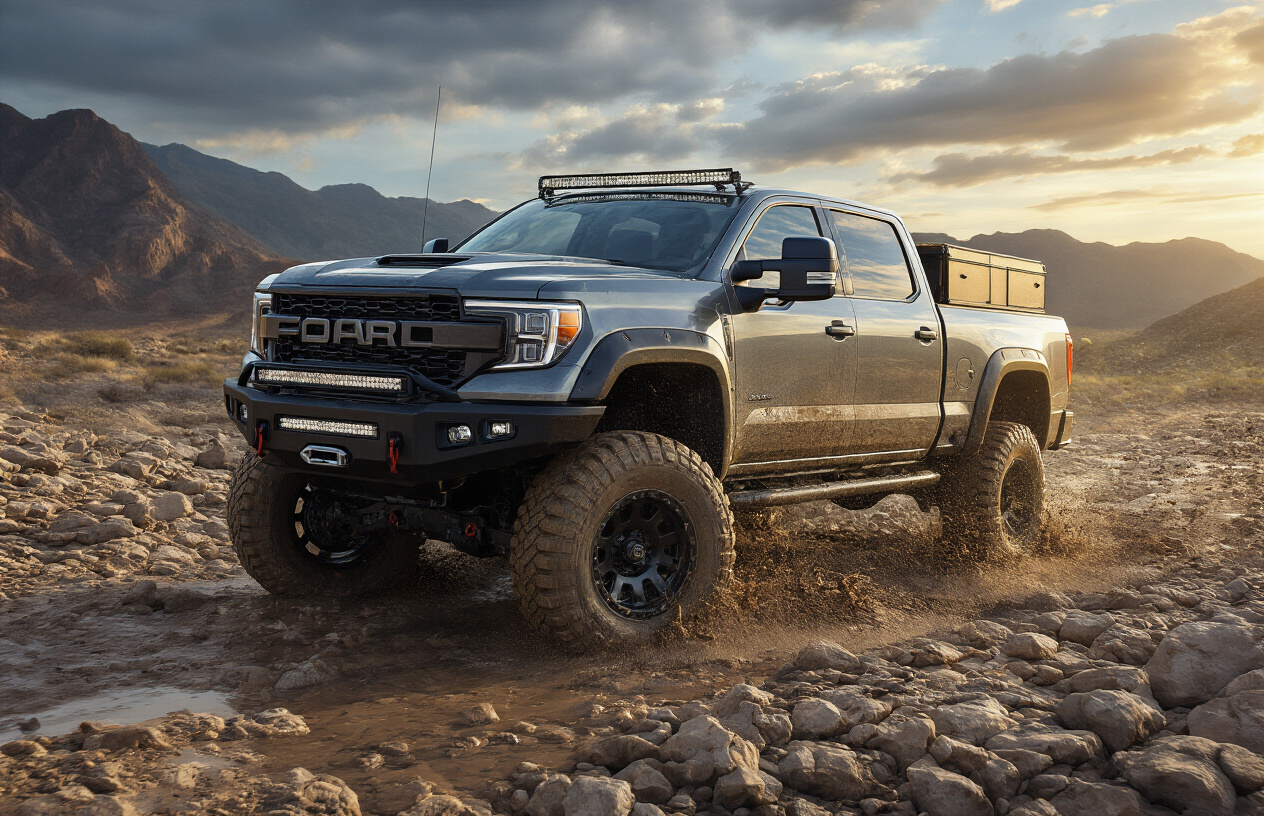
With the growing popularity of off-roading adventures and the advancement of automotive technology, today’s heavy-duty pickup trucks deliver factory-ready capabilities that eliminate the need for extensive aftermarket modifications. Previously, serious off-road enthusiasts had to invest in custom lift kits, upgraded shocks, and modified 4×4 systems. Now, manufacturers offer comprehensive packages that transform trucks into trail-ready machines straight from the dealership.
Four-Wheel Drive Systems and Terrain Management
Modern heavy-duty trucks feature sophisticated four-wheel drive systems designed to handle diverse terrain conditions. The two-speed transfer case remains a cornerstone feature, allowing drivers to switch between high and low range for optimal traction control. Electronic locking differentials, both front and rear, provide superior grip by ensuring power distribution to wheels with the most traction.
Advanced terrain management systems have revolutionized off-road driving by offering selectable drive modes that automatically adjust suspension settings, throttle response, and traction control parameters. Ford’s Trail Control system functions as cruise control for off-roading, maintaining consistent speeds on challenging mountain paths so drivers can focus on steering. Similarly, specialized features like Trail One-Pedal Drive and Trail Turn Assist optimize vehicle behavior for specific off-road scenarios.
Ground Clearance and Approach Angles
Factory lift systems significantly enhance ground clearance capabilities in modern heavy-duty trucks. Two-inch factory lifts are standard on many off-road trims, providing the extra height needed to clear rocks, logs, and uneven terrain. The Ram 1500 RHO achieves an impressive total ground clearance of 11.8 inches, setting a high standard for the category.
Approach, departure, and breakover angles are carefully engineered through strategic bumper design. Manufacturers cut bumpers to provide the highest possible angles, ensuring trucks can navigate steep inclines and declines without underbody contact. The Chevrolet Silverado ZR2 exemplifies this approach with bumpers specifically designed to maximize these critical angles while maintaining structural integrity.
Specialized Work Truck Configurations
Entry-level off-road packages make capable trucks accessible to budget-conscious buyers. The Chevrolet Silverado Z71 Off-Road Package transforms the basic WT trim into a competent off-roader with automatic locking rear differential, hill descent control, heavy-duty air filtration, and protective skid plates. Ford’s Rattler package offers similar capabilities for the F-150 XL trim, featuring electronic locking rear differential, hill descent control, and off-road-tuned shock absorbers.
Mid-level configurations like the Trail Boss and Tremor trims bridge the gap between basic packages and premium options. These configurations typically include upgraded infotainment systems, enhanced comfort features, and additional off-road equipment such as power-retractable assist steps and red recovery hooks.
Available Off-Road Packages and Upgrades
Premium off-road packages represent the pinnacle of factory capabilities. The Chevrolet Silverado ZR2 comes equipped with Multimatic DSSV dampers, front and rear electronic lockers, and comprehensive aluminum skid plates. The collaboration with American Expedition Vehicles (AEV) takes this further with the ZR2 Bison variant, adding stamped steel bumpers, hot-stamped boron steel skid plates, and exclusive 18-inch wheels.
Long-travel suspension systems with adaptive damping technology automatically adjust to different terrain types, providing optimal performance whether traversing rocky trails or sandy washes. Full floating rear axles enhance durability under extreme conditions, while specialized tire packages ranging from all-terrain to aggressive mud-terrain compounds ensure maximum grip across varying surfaces.
These comprehensive packages transform heavy-duty trucks into versatile machines capable of tackling Colorado’s challenging mountain terrain while maintaining the comfort and capability needed for daily driving and work applications.
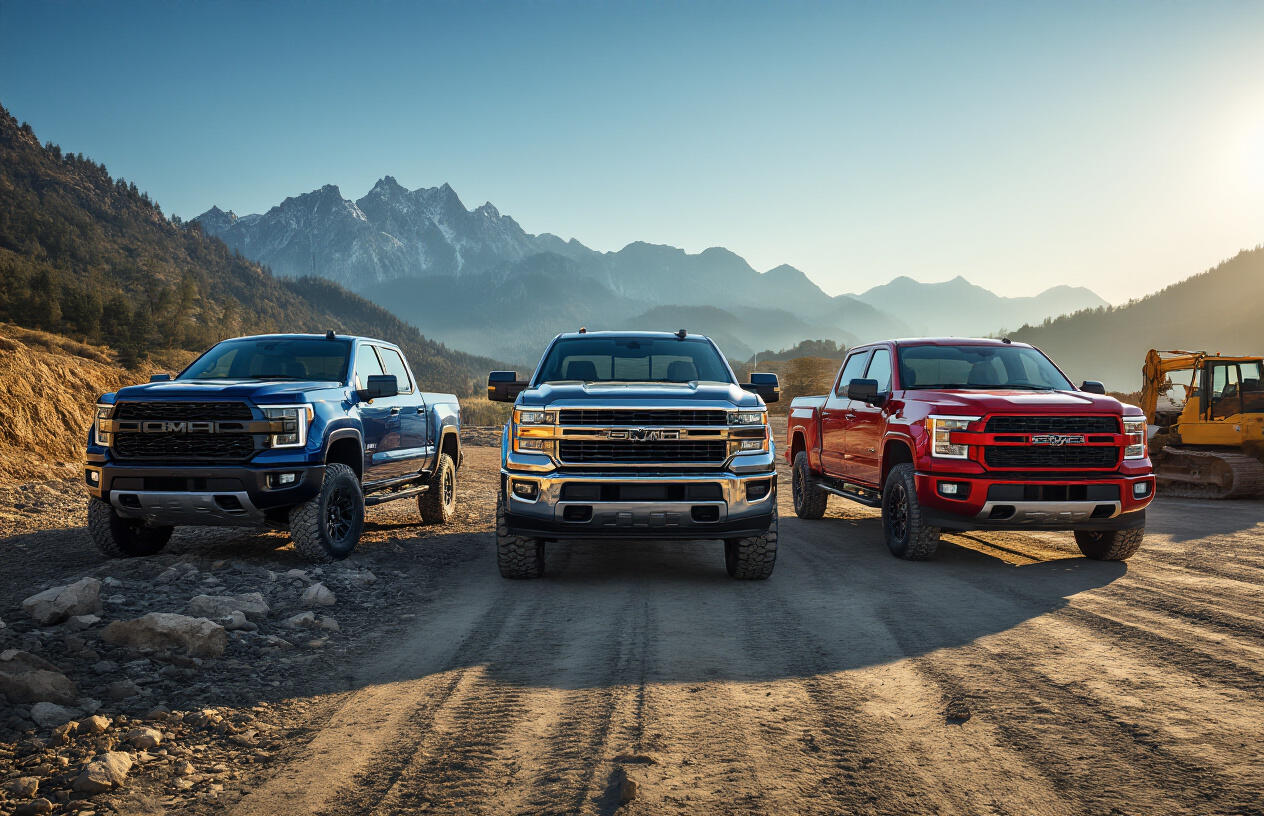
Selecting the right heavy-duty pickup truck for 2026 requires balancing multiple factors, from raw towing capacity and off-road capabilities to daily comfort and advanced technology features. The top contenders—Ford Super Duty, Ram HD, Chevrolet Silverado HD, and GMC Sierra HD—each offer distinct advantages, whether you prioritize maximum payload capacity, luxury interiors, or exceptional value. Performance metrics like towing ratings, engine specifications, and fuel efficiency remain crucial, but modern heavy-duty trucks have evolved to deliver impressive comfort and connectivity features that make them viable for both demanding work tasks and everyday driving.
The heavy-duty truck market continues to push boundaries, with manufacturers delivering vehicles that can handle massive workloads while providing the refinement and technology drivers expect. As you evaluate your options, consider how you’ll primarily use your truck—whether for commercial hauling, recreational towing, or daily commuting—and prioritize the features that matter most to your specific needs. With proper research and consideration of the essential performance metrics, comfort features, and value propositions outlined here, you’ll be well-equipped to choose a heavy-duty pickup that delivers reliable performance for years to come.