Shopping for a new car in 2026? Smart buyers want vehicles that protect their families while saving money at the gas pump. This guide breaks down the best cars in the USA for safety and MPG to help you make an informed decision without breaking the bank.
We’ve researched the top contenders for families, commuters, and eco-conscious drivers who refuse to compromise on safety or fuel efficiency.
You’ll discover why the 2026 Toyota RAV4’s all-hybrid lineup dominates the small SUV market with up to 320 horsepower and class-leading electric range. We’ll also cover the advanced safety features that keep you protected on every drive, from Toyota Safety Sense 4.0 to automatic emergency braking systems that work around the clock.
Finally, we’ll help you maximize your fuel savings by comparing hybrid, plug-in hybrid, and traditional options across different vehicle categories – so you can drive smarter and spend less in 2026.
Top Fuel-Efficient 2026 Sedan Options for Maximum Savings
Top Fuel-Efficient 2026 Sedan Options for Maximum Savings
How to Compare MPG Ratings Across Different Sedan Models
When evaluating fuel efficiency across different sedan options, utilizing comprehensive filtering systems becomes essential for making informed decisions. Effective comparison strategies involve leveraging browsing filters that focus specifically on gas mileage alongside other critical factors such as pricing, make, and size. These filtering capabilities allow you to systematically narrow down your options based on your specific fuel economy requirements.
The most effective approach involves examining individual vehicle profiles that display pricing, gas mileage, and consumer ratings in a consolidated format. This comprehensive view enables you to identify patterns and trade-offs between different models, helping you understand how fuel efficiency correlates with other vehicle characteristics. Consumer ratings provide valuable real-world insights that complement official MPG figures, offering a more complete picture of each sedan’s performance.
When comparing models, consider creating a systematic evaluation framework that weighs gas mileage against your budget constraints and size requirements. This methodical approach ensures you’re not just focusing on the highest MPG numbers but finding the optimal balance for your specific needs.
Price Range Considerations When Shopping for Efficient Sedans
Understanding the relationship between pricing and fuel efficiency requires careful analysis of available vehicle data. The filtering systems available for sedan shopping typically include pricing parameters that allow you to establish realistic budget boundaries while maintaining focus on fuel economy goals. This dual consideration becomes crucial as higher efficiency often correlates with advanced technology and potentially higher initial costs.
Consumer ratings play a significant role in determining value propositions within different price ranges. These ratings provide insights into long-term ownership experiences, helping you understand whether higher-priced efficient sedans deliver proportional value over time. The combination of pricing information with gas mileage data creates a foundation for calculating total cost of ownership scenarios.
Make-based filtering adds another dimension to price considerations, as different manufacturers position their fuel-efficient sedans across various price segments. This approach allows you to identify which brands offer the most competitive combinations of efficiency and affordability within your target price range.
Why 2026 Model Information May Be Limited Initially
The availability of comprehensive 2026 sedan model information remains constrained during initial market phases, creating challenges for consumers seeking detailed specifications and comparisons. This limitation affects the depth of data available through standard browsing and filtering systems, potentially restricting your ability to make fully informed decisions about the latest model offerings.
Despite these initial constraints, the fundamental filtering capabilities for pricing, gas mileage, make, and size remain valuable tools for understanding market trends and establishing baseline expectations. As more 2026 model information becomes available, these filtering systems will provide increasingly comprehensive data sets for comparison purposes.
The gradual release of 2026 model information means that early adopters may need to rely on limited specifications while waiting for complete consumer ratings and detailed gas mileage data to become available through standard vehicle browsing platforms.
2026 Toyota RAV4 Hybrid Revolution: All-Hybrid Lineup with Enhanced Performance
2026 Toyota RAV4 Hybrid Revolution: All-Hybrid Lineup with Enhanced Performance
Complete Elimination of Traditional Gas Engines in Favor of Hybrid Power
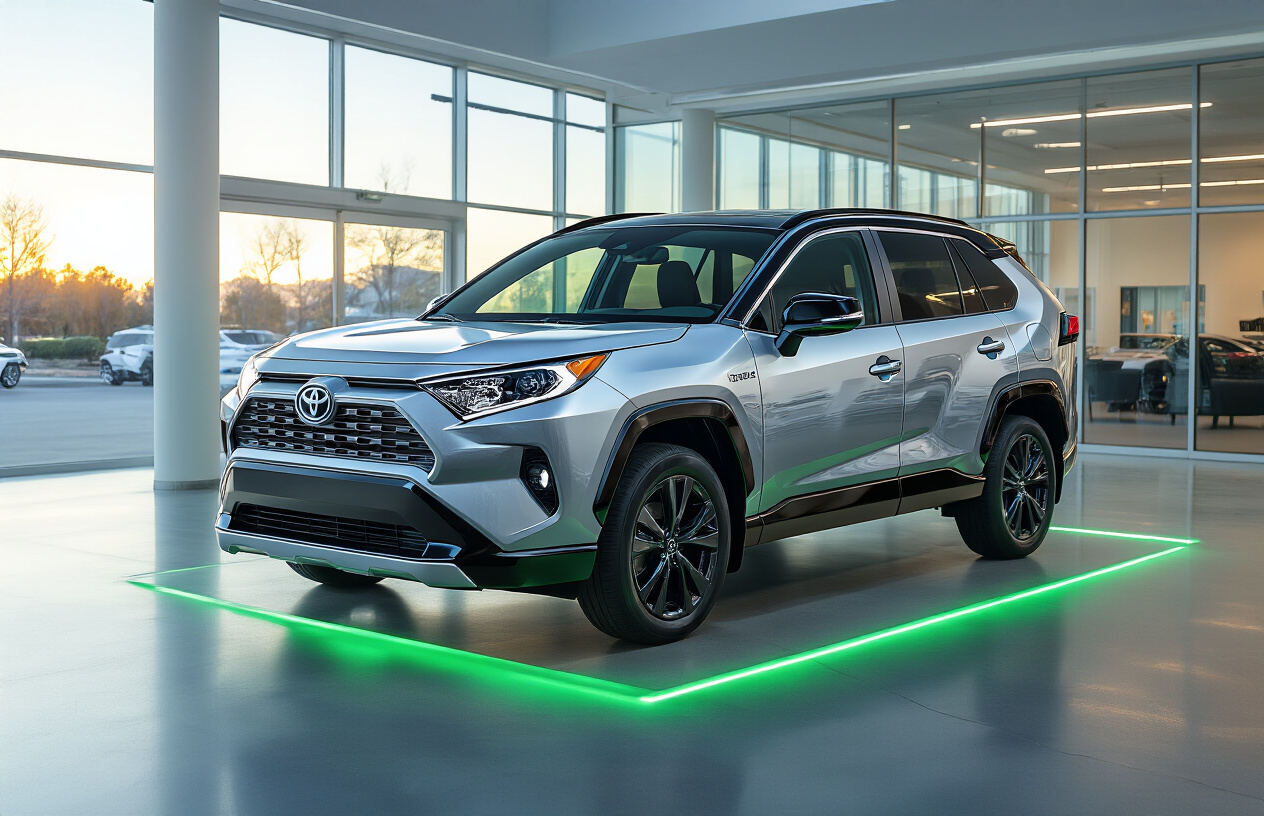
The automotive landscape is witnessing a monumental shift with Toyota’s bold decision for the redesigned 2026 RAV4. In a groundbreaking move that signals the brand’s commitment to electrification, Toyota has completely eliminated the traditional four-cylinder gasoline engine from the RAV4 lineup. This strategic transformation means that every single 2026 RAV4 will be powered exclusively by either hybrid or plug-in hybrid technology, marking the end of an era for conventional internal combustion engines in this popular compact SUV segment.
This all-electrified approach represents Toyota’s most aggressive step toward sustainable mobility in the RAV4 nameplate’s history. By removing traditional gas engines entirely, Toyota is forcing the market to embrace hybrid technology as the new standard, not merely an option. This decision positions the RAV4 as a pioneer in the mainstream adoption of electrified powertrains, demonstrating that hybrid technology has matured enough to completely replace conventional engines without compromising on performance or capability.
Increased Horsepower Across All Hybrid and Plug-in Hybrid Variants
With this transition to an all-electrified lineup comes a significant boost in performance capabilities. The standard hybrid powertrain delivers an impressive 226 combined horsepower, while all-wheel-drive variants receive an additional power bump to 236 horsepower. This represents a substantial improvement over previous generations, proving that the move to hybrid technology doesn’t sacrifice performance but actually enhances it.
The plug-in hybrid variant takes performance to an even higher level, gaining an additional 18 horsepower over its predecessor to achieve a combined output of 320 horsepower. This dramatic increase in power output demonstrates how Toyota has refined its electrification technology to deliver not just better fuel economy, but also superior performance characteristics. The combination of electric motor assistance with refined gasoline engines creates a powertrain that offers both instant torque delivery and sustained high-performance capability.
Three Distinct Style Categories: Core, Sport, and Rugged Trim Options
Toyota has thoughtfully organized the 2026 RAV4 lineup into three distinct style categories, each catering to different driver preferences and lifestyles. The Core category encompasses the LE, XLE, and Limited hybrid variants, providing a refined and comfortable driving experience for daily commuters and families who prioritize efficiency and premium features.
The Sport category targets enthusiasts who desire dynamic styling and enhanced performance, featuring the SE and XSE variants available in both hybrid and plug-in hybrid configurations, plus the range-topping GR Sport available exclusively as a plug-in hybrid. These variants emphasize athletic styling cues, sport-tuned suspension, and performance-oriented features.
The Rugged category introduces the Woodland variant, available in both hybrid and plug-in hybrid forms, designed for adventurous drivers who need enhanced off-road capability and outdoor-focused styling elements. This comprehensive seven-grade lineup ensures that regardless of individual preferences—whether prioritizing luxury, performance, or adventure capability—there’s a 2026 RAV4 variant perfectly suited to meet those specific needs while delivering the benefits of Toyota’s advanced hybrid technology.
Advanced Safety Features That Keep You Protected on the Road
Advanced Safety Features That Keep You Protected on the Road
Toyota Safety Sense 4.0 Introduction with Cutting-Edge Technology
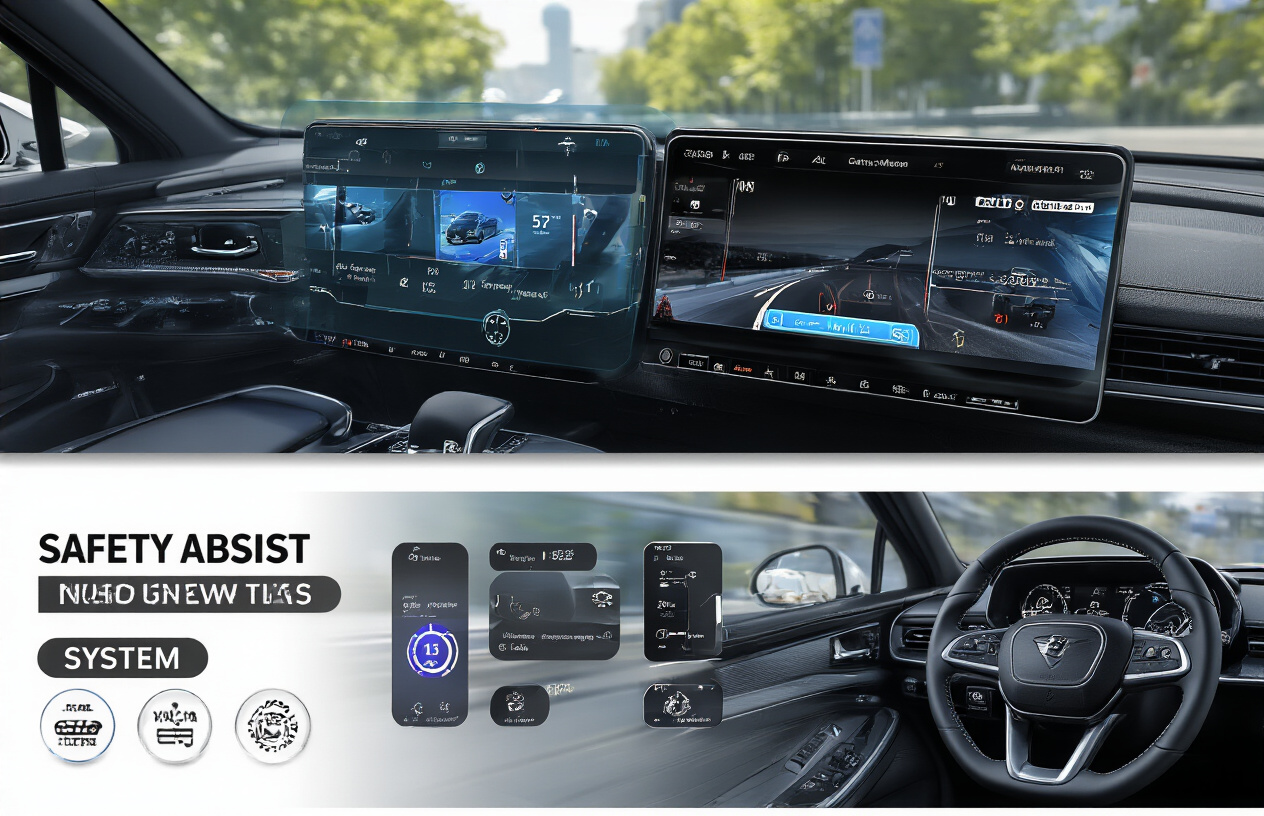
The 2026 Toyota RAV4 marks a revolutionary advancement in automotive safety with the introduction of Toyota Safety Sense 4.0, representing the latest evolution of Toyota’s comprehensive suite of safety and driver assistance features. This cutting-edge system is powered by the new Arene software platform, which delivers unprecedented levels of protection and technological sophistication to keep you and your passengers secure during every journey.
Toyota Safety Sense 4.0 builds upon years of safety innovation, integrating advanced algorithms and enhanced sensor capabilities that work seamlessly together to create a protective shield around your vehicle. The Arene software platform serves as the intelligent foundation that processes vast amounts of data in real-time, enabling the system to make split-second decisions that can prevent accidents before they occur. This technological leap forward demonstrates Toyota’s commitment to making safety accessible and standard across their vehicle lineup, ensuring that every RAV4 owner benefits from the most advanced protective technologies available.
Standard Safety Equipment Upgrades from Previous Generation Models
Now that we understand the foundation of Toyota Safety Sense 4.0, it’s important to recognize how significantly the standard safety equipment has evolved from previous generations. The 2026 RAV4’s safety suite represents a substantial leap forward from the Toyota Safety Sense 2.5 system that was featured in the 2025 RAV4 model. This upgrade encompasses not just incremental improvements, but fundamental enhancements in how safety systems detect, analyze, and respond to potential hazards on the road.
The transition from Safety Sense 2.5 to 4.0 brings more sophisticated detection capabilities, improved response times, and enhanced integration between various safety components. These upgrades ensure that the safety features work more harmoniously together, creating a more comprehensive protective environment that adapts to a wider range of driving scenarios and road conditions.
Connected Safety Services Including Emergency Assistance and Crash Notification
With these advanced safety systems in place, the 2026 RAV4 extends its protective capabilities beyond the vehicle itself through connected safety services. These services are expected to include critical emergency features such as an SOS button for immediate emergency assistance, automatic crash notification systems that can alert emergency responders even when occupants are unable to do so, and a stolen vehicle locator to help recover your RAV4 if it’s ever taken without permission.
These connected safety services mirror the comprehensive approach found in other recently announced Toyota models, ensuring consistency across the brand’s commitment to driver and passenger protection. The integration of these services means that help is always within reach, whether you’re facing a mechanical emergency, involved in an accident, or dealing with a security concern.
Maximizing Your Electric Range and Charging Capabilities
Maximizing Your Electric Range and Charging Capabilities
Now that we have covered the advanced safety features that protect you on the road, let’s explore how 2026 plug-in hybrid models are revolutionizing electric driving capabilities with substantial improvements in range and charging technology.
50-Mile Electric-Only Range in Plug-in Hybrid Models
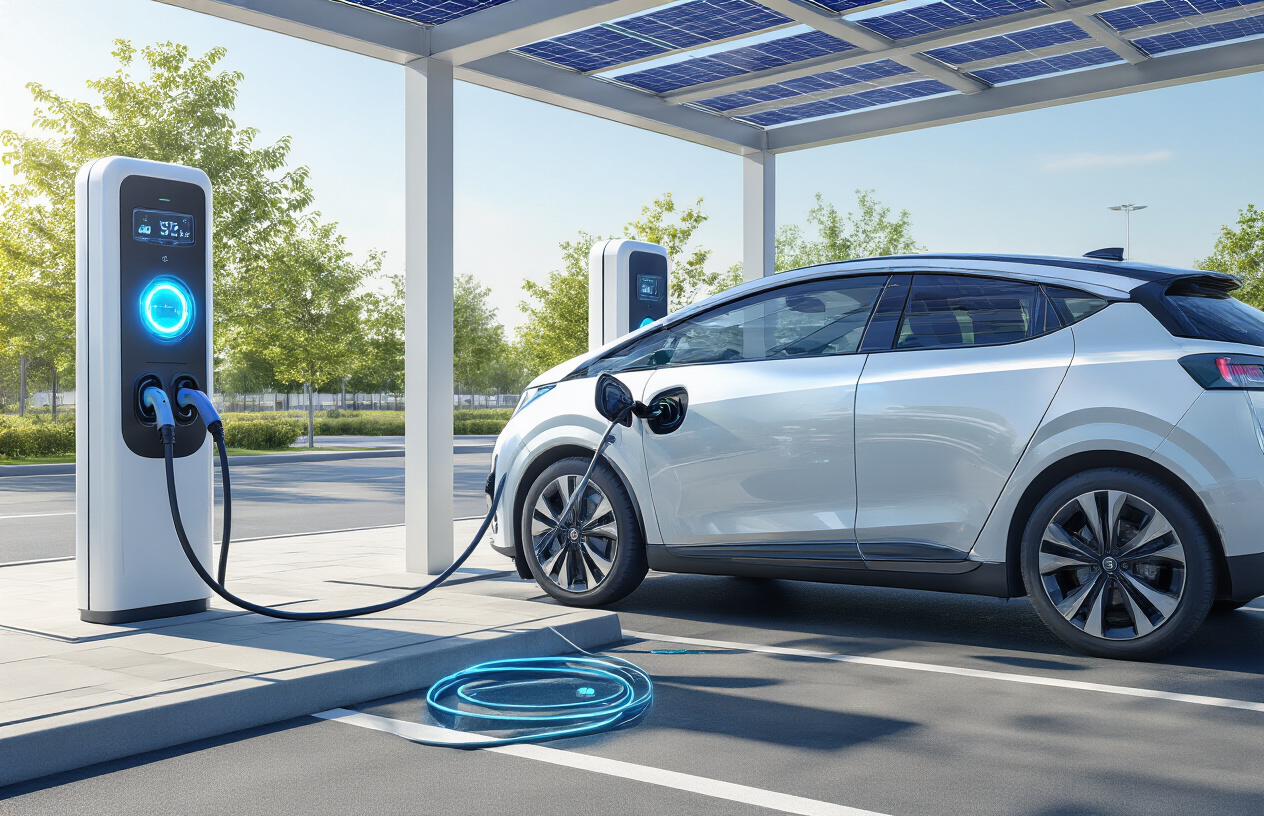
The 2026 plug-in hybrid models represent a significant leap forward in electric-only capability, with manufacturers extending the all-electric range from the previous 42 miles to an impressive 50 miles. This enhancement positions these vehicles among the leaders in the current PHEV market, offering drivers one of the longest electric-only ranges available today.
This extended range translates to meaningful real-world benefits for daily commuters and urban drivers. The additional 8 miles of electric-only driving capability means most drivers can complete their entire daily commute without engaging the gasoline engine, maximizing fuel efficiency and reducing emissions. For typical American driving patterns, this range extension covers the vast majority of short trips, grocery runs, and local errands purely on electric power.
Fast Charging Options Including DC Fast Charging for PHEVs
With this enhanced electric range in mind, next we’ll examine the charging infrastructure improvements that make these capabilities even more practical. The 2026 models introduce DC fast charging capability, an uncommon and highly valuable feature for plug-in hybrid vehicles. This fast charging functionality is accessible through strategically placed charging ports that vary by trim level.
The XSE and Woodland trims feature a CCS charging port, providing access to the rapidly expanding network of DC fast charging stations across the country. Meanwhile, the SE and GR Sport trims utilize a J1772 port configuration. This DC fast charging capability sets these PHEVs apart from many competitors, as most plug-in hybrids in the market currently lack this convenience feature. The ability to quickly replenish the battery at public charging stations during longer trips adds significant versatility to the ownership experience.
Upgraded 11kW Onboard Charger for Faster Home Charging
Previously, plug-in hybrid models were equipped with a 6.6-kW onboard charging system, but the 2026 models feature a substantially upgraded 11-kW onboard charger. This improvement represents a nearly 70% increase in charging capability, dramatically reducing the time required for Level Two AC charging at home.
The enhanced charging speed means owners can fully replenish their battery pack much more quickly during overnight charging sessions or when plugged in during the workday. This upgrade eliminates one of the traditional pain points of PHEV ownership – lengthy charging times – making it more convenient for drivers to maintain their vehicle’s electric-only capabilities for daily driving needs.
Smart Technology and Connectivity Features for Modern Drivers
Smart Technology and Connectivity Features for Modern Drivers
Now that we’ve covered the essential safety and efficiency aspects, let’s explore how modern vehicles are revolutionizing the driving experience through cutting-edge technology and seamless connectivity solutions.
New Arene Software Platform for Enhanced User Experience
The automotive industry is experiencing a fundamental shift toward software-defined vehicles, and the new Arene software platform represents this technological evolution perfectly. This advanced platform serves as the comprehensive foundation for the latest connectivity, security, and safety features that modern drivers demand. The Arene system is specifically designed to move vehicles closer to becoming truly software-defined, enabling over-the-air updates and enhanced customization capabilities that adapt to individual driver preferences and habits.
This sophisticated platform creates a unified ecosystem where various vehicle functions communicate seamlessly, resulting in a more intuitive and responsive driving experience. The software’s architecture prioritizes both performance and security, ensuring that connectivity features operate smoothly while maintaining robust protection against potential cyber threats.
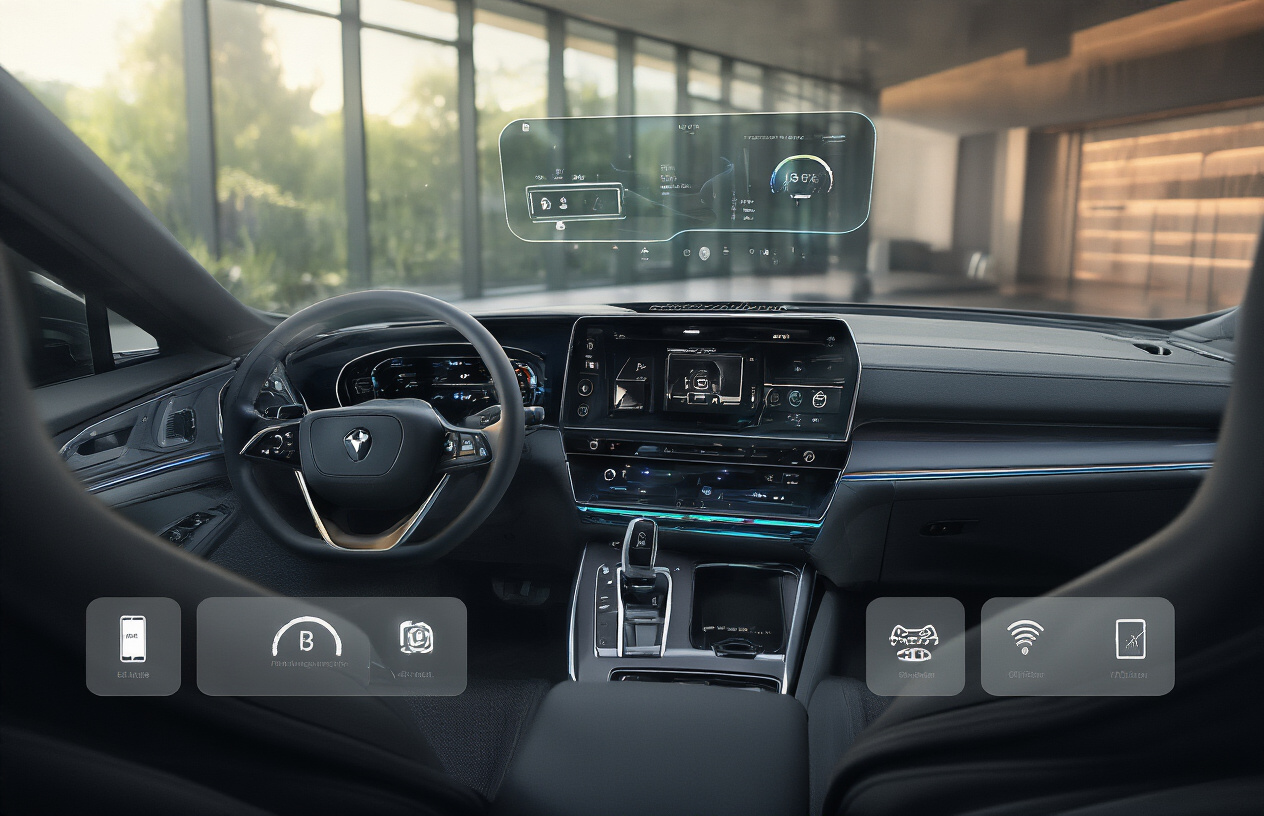
Dual Screen Options with Improved Infotainment Interface
The interior technology experience centers around dual screen options that deliver exceptional visual clarity and functionality. The system features a comprehensive 12.3-inch instrument panel that provides drivers with essential vehicle information at a glance. Complementing this primary display is a center infotainment screen available in two sizes: either a 10.5-inch or 12.9-inch unit, allowing drivers to choose the configuration that best suits their preferences and needs.
One of the most significant improvements comes through the innovative split-view home screen functionality, which dramatically reduces menu jumping and enhances overall user interaction. This intelligent design allows drivers to access multiple functions simultaneously without navigating through complex menu systems, keeping their attention focused on the road while maintaining easy access to essential features.
Wireless Apple CarPlay and Android Auto with Dual Bluetooth Connectivity
The stereo system incorporates wireless Android Auto and Apple CarPlay capabilities, eliminating the need for physical connections and creating a cleaner, more convenient user experience. This wireless functionality ensures that drivers can access their smartphone’s features, apps, and content seamlessly through the vehicle’s infotainment system.
Perhaps most notably, the system offers dual Bluetooth capability, allowing two phones to be connected simultaneously. This feature proves invaluable for families or couples who share vehicle usage, enabling both devices to remain connected without the need for constant re-pairing. This dual connectivity ensures that both passengers can access their personal content, receive calls, and utilize their preferred navigation apps without interruption.
Competitive Advantages Over Popular Rivals in the Small SUV Market
Competitive Advantages Over Popular Rivals in the Small SUV Market
Higher Horsepower Compared to Honda CR-V and Subaru Forester
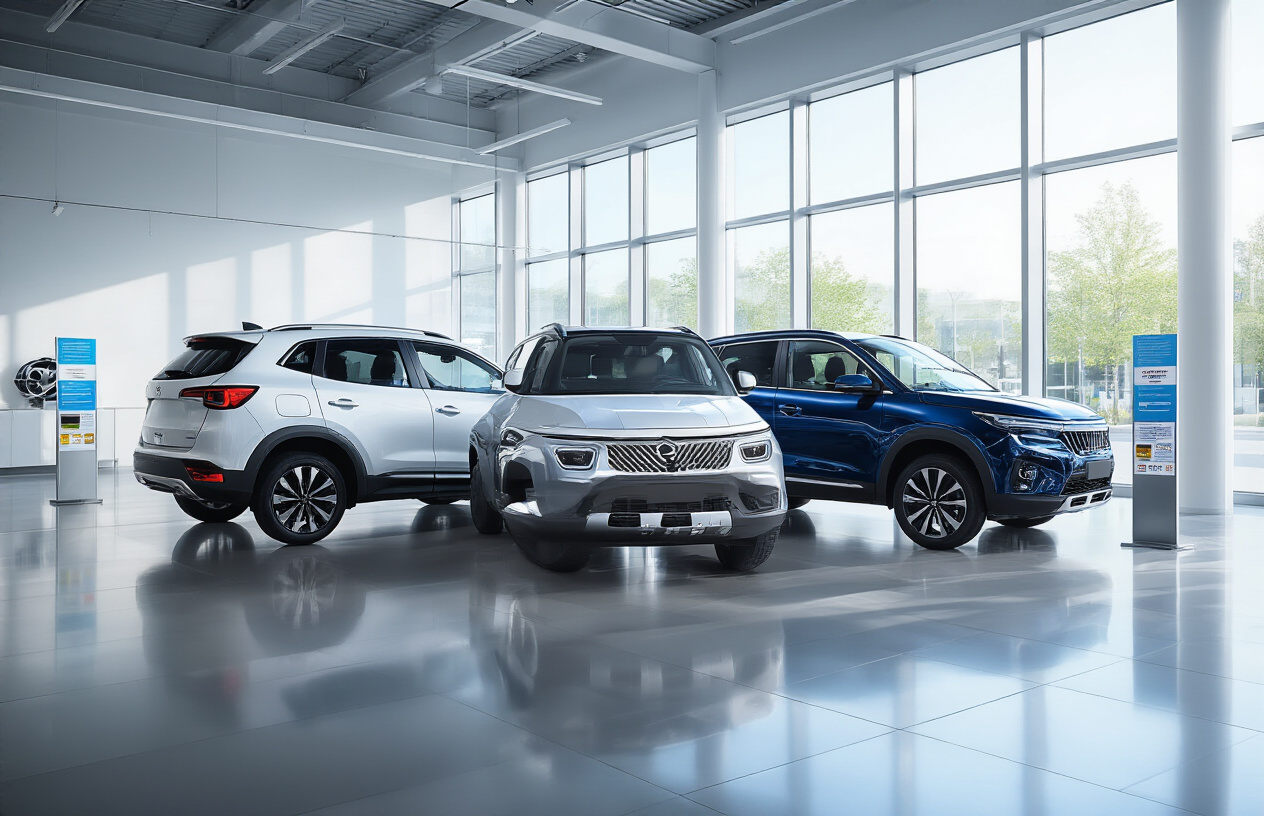
The 2026 RAV4’s powertrain superiority becomes immediately apparent when compared to its primary competitors in the small SUV segment. While the Honda CR-V and Subaru Forester have maintained their market positions through reliability and practicality, the RAV4 delivers significantly more power under the hood. This enhanced performance capability sets Toyota’s offering apart from these established rivals, providing drivers with a more responsive and engaging driving experience.
The power advantage extends beyond mere acceleration metrics, translating into real-world benefits for daily driving scenarios. Whether merging onto highways, navigating steep inclines, or carrying full passenger loads, the RAV4’s superior horsepower output ensures confident performance where competitors may struggle. Interestingly, this power positioning also places the RAV4 on par with the Hyundai Tucson hybrid, demonstrating Toyota’s commitment to competitive performance standards across the hybrid segment.
Superior Towing Capacity Up to 3,500 Pounds in Select Models
Moving beyond power output, the RAV4’s practical advantages shine through its impressive towing capabilities. Select all-wheel-drive models, including the XLE, Woodland, SE, XSE, and Limited hybrid variants, along with the SE, XSE, and Woodland PHEV models, offer exceptional towing capacity reaching up to 3,500 pounds. This capability significantly surpasses what most competitors in the small SUV class can achieve, positioning the RAV4 as a versatile choice for active lifestyles.
This towing prowess opens up possibilities that many rival vehicles simply cannot accommodate. From hauling small trailers and boats to transporting recreational equipment, the RAV4’s robust towing capacity transforms weekend adventures and work-related hauling tasks. The fact that this capability extends across multiple trim levels and powertrain options, including both hybrid and plug-in hybrid variants, demonstrates Toyota’s engineering commitment to maintaining utility without compromising efficiency.
Extended Electric Range Leadership Among PHEV Competitors
The plug-in hybrid RAV4 models establish clear market leadership through their enhanced electric-only driving range. With an increased 50-mile electric-only capability, these PHEV variants deliver one of the longest electric ranges available in the current plug-in hybrid market. This extended range addresses the primary concern of PHEV buyers – maximizing electric-only driving for daily commutes and local errands.
This electric range advantage translates into tangible benefits for daily drivers who can complete most routine trips without engaging the gasoline engine. The 50-mile electric range covers the majority of American daily commute distances, allowing drivers to experience the quiet, instant torque delivery of electric propulsion while maintaining the security of hybrid backup power for longer journeys. This leadership position among PHEV competitors reinforces the RAV4’s appeal to environmentally conscious buyers seeking practical electrification solutions.

The automotive landscape of 2026 presents compelling choices for drivers prioritizing both safety and fuel efficiency. From fuel-sipping sedans to the revolutionary all-hybrid Toyota RAV4 lineup, manufacturers are delivering vehicles that don’t compromise performance for economy. Advanced safety systems like Toyota Safety Sense 4.0, enhanced electric driving ranges, and cutting-edge connectivity features demonstrate how modern vehicles are evolving to meet today’s driving demands.
Whether you’re drawn to maximum fuel savings in a sedan or the versatility of a hybrid SUV with competitive advantages over rivals, 2026 offers unprecedented options for smart driving. These vehicles prove that you can achieve excellent MPG ratings while enjoying the latest safety technologies and connected features. As you consider your next vehicle purchase, focus on models that align with your priorities—whether that’s maximizing electric range, accessing advanced driver assistance systems, or simply finding the best balance of efficiency and capability for your daily drive.