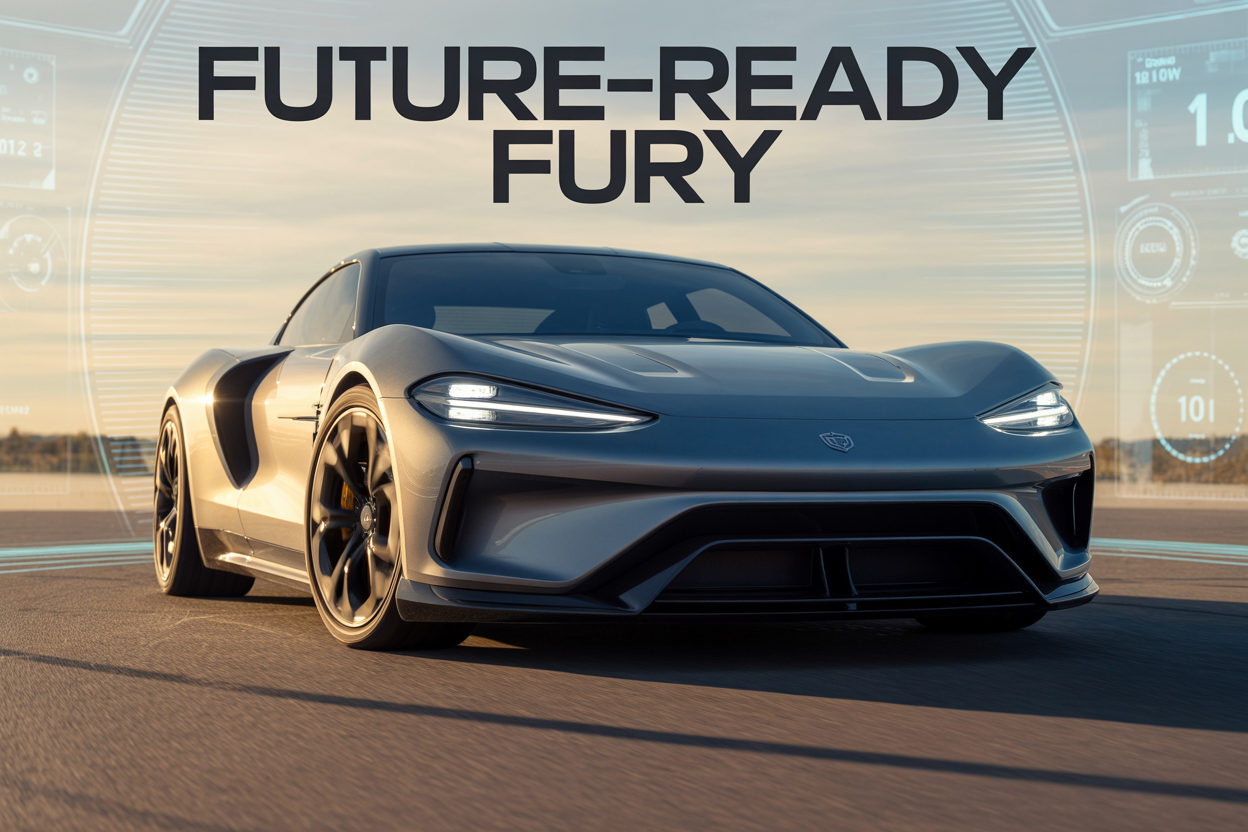
American car enthusiasts and performance seekers are witnessing an exciting era of automotive innovation. Whether you’re a tech-savvy driver wanting cutting-edge features or a performance lover craving raw power, today’s USA-made vehicles deliver on both fronts while keeping safety as the top priority.
This comprehensive guide explores Future-Ready Fury: USA Cars with Blistering Power, Futuristic Tech, and Superior Safety to help you understand what makes these machines so compelling. We’ll dive deep into the Revolutionary Powertrain Technologies Transforming American Performance that are redefining what’s possible under the hood. You’ll also discover the Cutting-Edge Safety Features Protecting Drivers and Passengers that make these powerful machines surprisingly secure.
Finally, we’ll examine the Revolutionary Infotainment and Connectivity Solutions that keep you connected and entertained while delivering mind-blowing performance. Get ready to explore how American automakers are pushing boundaries in ways that seemed impossible just a few years ago.
Revolutionary Powertrain Technologies Transforming American Performance
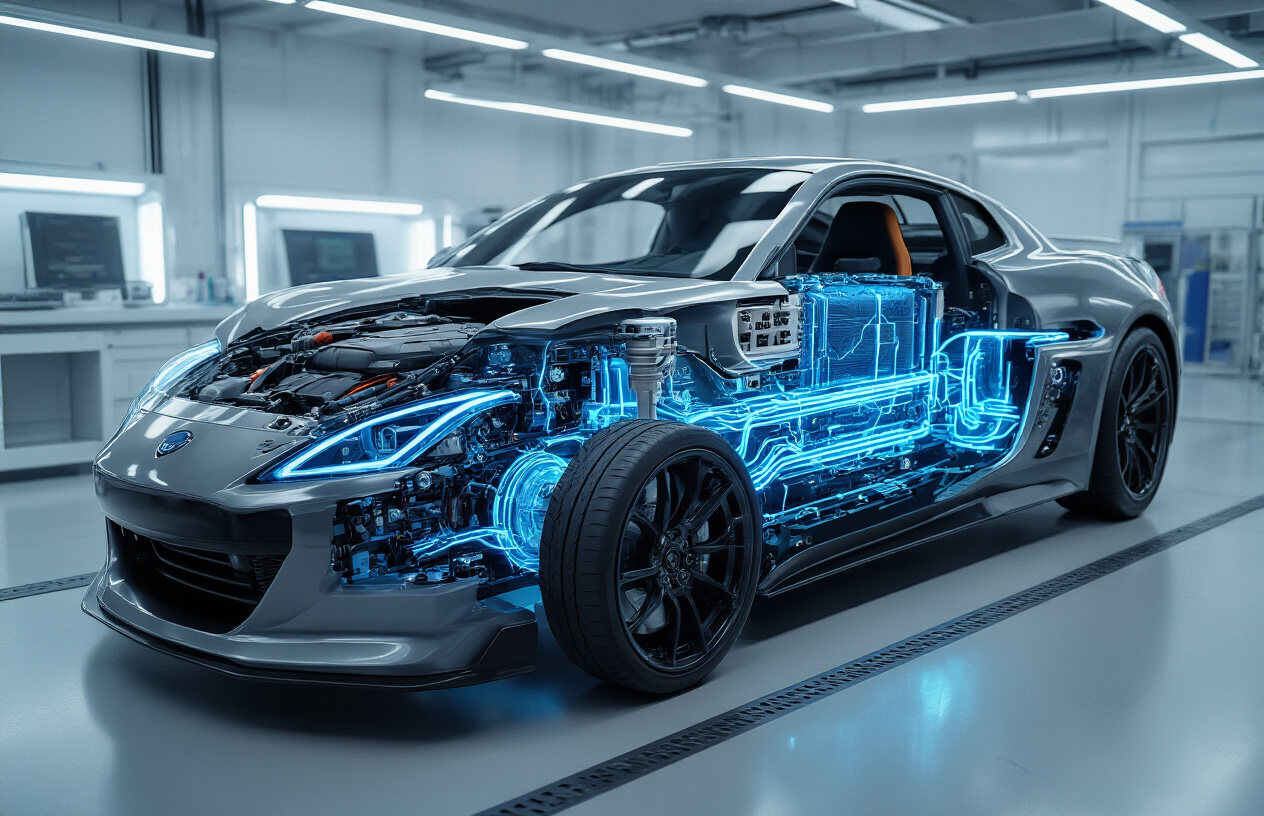
Revolutionary Powertrain Technologies Transforming American Performance
Advanced Hybrid Systems Delivering Instant Torque
American automotive manufacturers have embraced sophisticated hybrid electric vehicle (HEV) architectures that combine conventional internal combustion engines with electric motors to create powerful, efficient propulsion systems. These hybrid systems excel in delivering instant torque through their electric traction motors, which provide maximum power from zero RPM, eliminating the lag typically associated with traditional gasoline engines.
The most advanced configurations include parallel hybrids, where both the internal combustion engine and electric motor connect to the mechanical transmission, allowing simultaneous power delivery to the wheels. This dual-power approach enables exceptional acceleration performance while maintaining optimal efficiency. Power-split hybrids represent the pinnacle of this technology, combining features of both series and parallel configurations to achieve higher overall efficiency ratings than either system alone.
Electric Motors Providing Silent Yet Explosive Acceleration
The electric traction motors in these advanced American vehicles utilize energy stored in high-capacity battery packs to deliver seamless, silent acceleration that rivals traditional high-performance engines. These motors, powered by sophisticated power electronics controllers, manage electrical energy flow while controlling speed and torque output with precision that mechanical systems cannot match.
The integration of motor generators serves a dual purpose, both driving the vehicle’s wheels during acceleration and generating electricity through regenerative braking. This energy recovery system captures kinetic energy that would otherwise be lost as heat during braking, converting it back into electrical energy for storage in the traction battery pack.
Turbocharged Engines Maximizing Power-to-Weight Ratios
Modern American hybrid systems often incorporate smaller-displacement turbocharged internal combustion engines that operate at maximum efficiency. Because the electric motor supplements power delivery, these engines can be downsized without sacrificing performance, resulting in superior power-to-weight ratios compared to traditional powertrains.
The strategic use of start-stop systems further enhances efficiency by temporarily shutting down the combustion engine during idle periods and restarting when power is needed. This technology, combined with the instant torque from electric motors, ensures seamless power delivery while minimizing fuel consumption and emissions.
Next-Generation Battery Technology Extending Range and Performance
Advanced traction battery packs serve as the cornerstone of these revolutionary powertrains, storing substantial electrical energy while maintaining compact dimensions. These battery systems work in conjunction with DC/DC converters that manage power distribution between high-voltage traction systems and lower-voltage auxiliary components.
The thermal management systems integrated into these battery packs maintain optimal operating temperatures for both the energy storage components and electric motors, ensuring consistent performance across varying environmental conditions. This sophisticated cooling technology enables sustained high-performance operation while extending battery life and maintaining efficiency over the vehicle’s operational lifetime.
Cutting-Edge Safety Features Protecting Drivers and Passengers
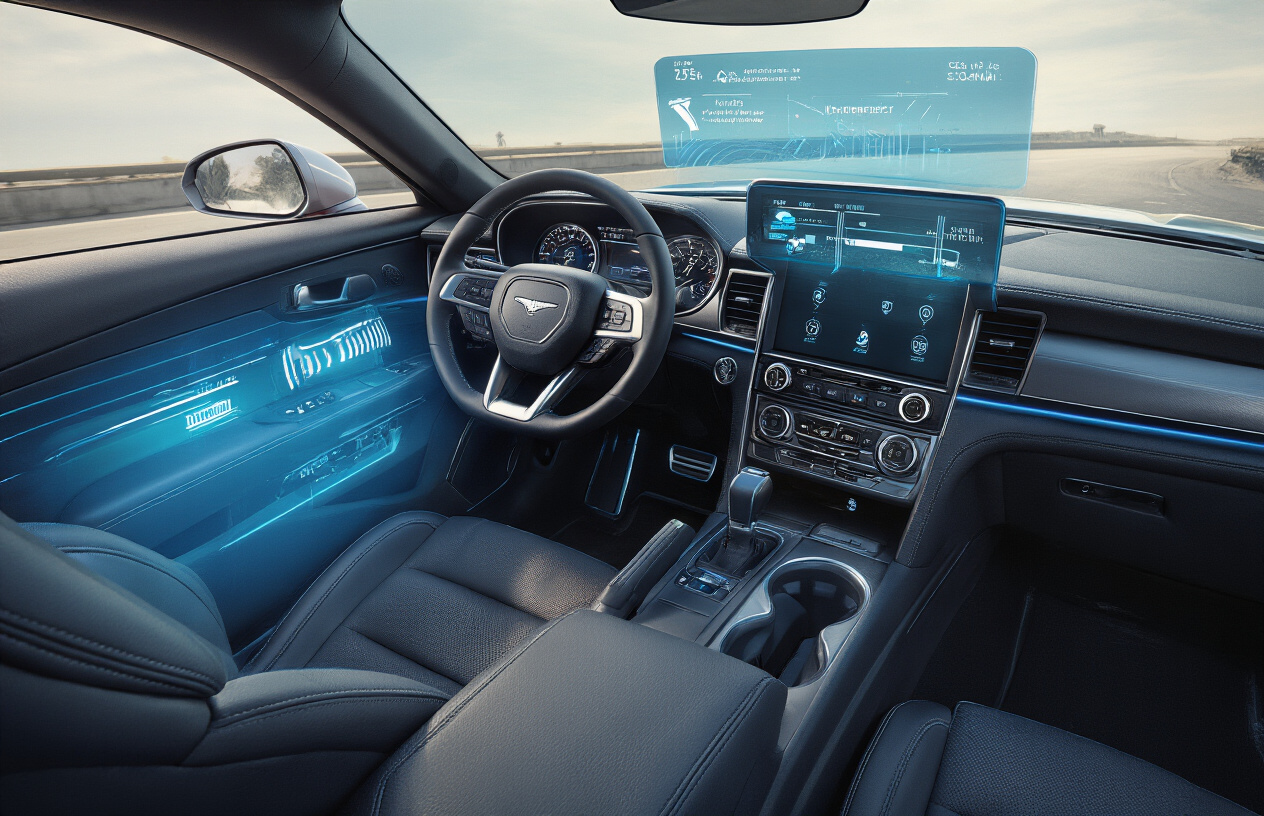
Cutting-Edge Safety Features Protecting Drivers and Passengers
Autonomous Emergency Braking Systems Preventing Collisions
Autonomous emergency braking (AEB) represents one of the most crucial safety advances in modern American vehicles. This intelligent system continuously monitors the road ahead using advanced sensors and cameras to detect potential collisions with vehicles, pedestrians, and cyclists. When a dangerous situation is identified, the system provides immediate audible, visual, and tactile warnings to alert the driver to brake. If the driver fails to react in sufficient time, the system automatically applies the brakes to either mitigate the severity of the impact or avoid the collision entirely.
Leading American vehicles now feature sophisticated pedestrian and cyclist detection capabilities integrated within their AEB systems. The Honda HR-V, Hyundai Ioniq 5, and Genesis GV70 exemplify this technology, with standard forward automatic emergency braking that can identify and respond to vulnerable road users. The Acura TLX further enhances this capability with its traffic-jam assist feature, which manages braking, acceleration, and steering in low-speed traffic conditions where rear-end collisions frequently occur.
Advanced Driver Assistance Technologies Enhancing Control
Now that we’ve explored collision prevention, advanced driver assistance systems (ADAS) take safety to the next level by actively supporting driver control and decision-making. Electronic stability control serves as the foundation of these systems, helping maintain vehicle control during slippery conditions or sudden maneuvers by preventing skids, rollovers, and loss of control situations.
Adaptive cruise control has evolved far beyond traditional speed maintenance, automatically adjusting vehicle speed to maintain safe following distances from other vehicles. The Genesis GV70 and Honda HR-V feature stop-and-go adaptive cruise control, which can bring the vehicle to a complete stop in traffic and resume movement when conditions allow. This technology significantly reduces driver fatigue during long highway journeys while maintaining consistent safety margins.
Lane-keep assist and lane-centering systems actively help drivers maintain proper lane positioning. The Hyundai Ioniq 5 and Genesis GV70 offer lane-centering assist that works in conjunction with adaptive cruise control, providing Highway Driving Assist capabilities that represent a step toward semi-autonomous driving. These systems gently steer the vehicle to keep it centered within lane markings, reducing the risk of lane-departure accidents.
Reinforced Vehicle Structures Absorbing Impact Energy
With advanced electronic systems providing active protection, the physical structure of modern American vehicles incorporates sophisticated engineering to protect occupants during unavoidable collisions. The vehicles achieving top safety scores demonstrate exceptional crash test performance through carefully designed crumple zones and reinforced passenger compartments.
The Lexus RC, Volvo C40 Recharge, Acura TLX, and Volvo V90 all earned perfect 10/10 safety scores, indicating superior structural integrity in crash testing. The Insurance Institute for Highway Safety (IIHS) awarded these vehicles “Good” ratings across all crash test categories, while many also received the prestigious Top Safety Pick+ designation. The Honda HR-V and Hyundai Ioniq 5 similarly earned Top Safety Pick+ ratings, demonstrating that advanced structural safety isn’t limited to luxury vehicles.
The Genesis GV70 showcases additional structural innovations with features like intersection assist, which uses sensors to help prevent accidents at intersections where side-impact collisions pose significant risks. These reinforced structures work in harmony with multiple airbag systems and energy-absorbing materials to create comprehensive passive safety protection.
Intelligent Monitoring Systems Detecting Driver Fatigue
Previously, we’ve examined how vehicles protect against external threats, but intelligent monitoring systems focus on the driver’s condition and alertness. Driver attention alert systems continuously analyze driving behavior patterns, steering inputs, and vehicle positioning to identify signs of drowsiness or distraction. When concerning patterns are detected, these systems provide warnings to encourage the driver to take a break or refocus attention on driving.
The Mitsubishi Outlander, Genesis GV70, Honda HR-V, and Hyundai Ioniq 5 all include standard driver attention monitoring systems that actively assess driver alertness. These systems can detect subtle changes in driving patterns that indicate fatigue, such as irregular steering corrections or delayed responses to road conditions.
Vehicle exit warning systems add another layer of intelligent monitoring by alerting occupants when approaching vehicles or cyclists are detected as doors are about to be opened. The Genesis GV70 and Hyundai Ioniq 5 feature this technology, which is particularly valuable in urban environments where “dooring” accidents with cyclists pose significant risks. Rear-seat alert systems complement this monitoring by reminding drivers to check back seats for children or pets before exiting the vehicle, preventing tragic hot car incidents.
Revolutionary Infotainment and Connectivity Solutions
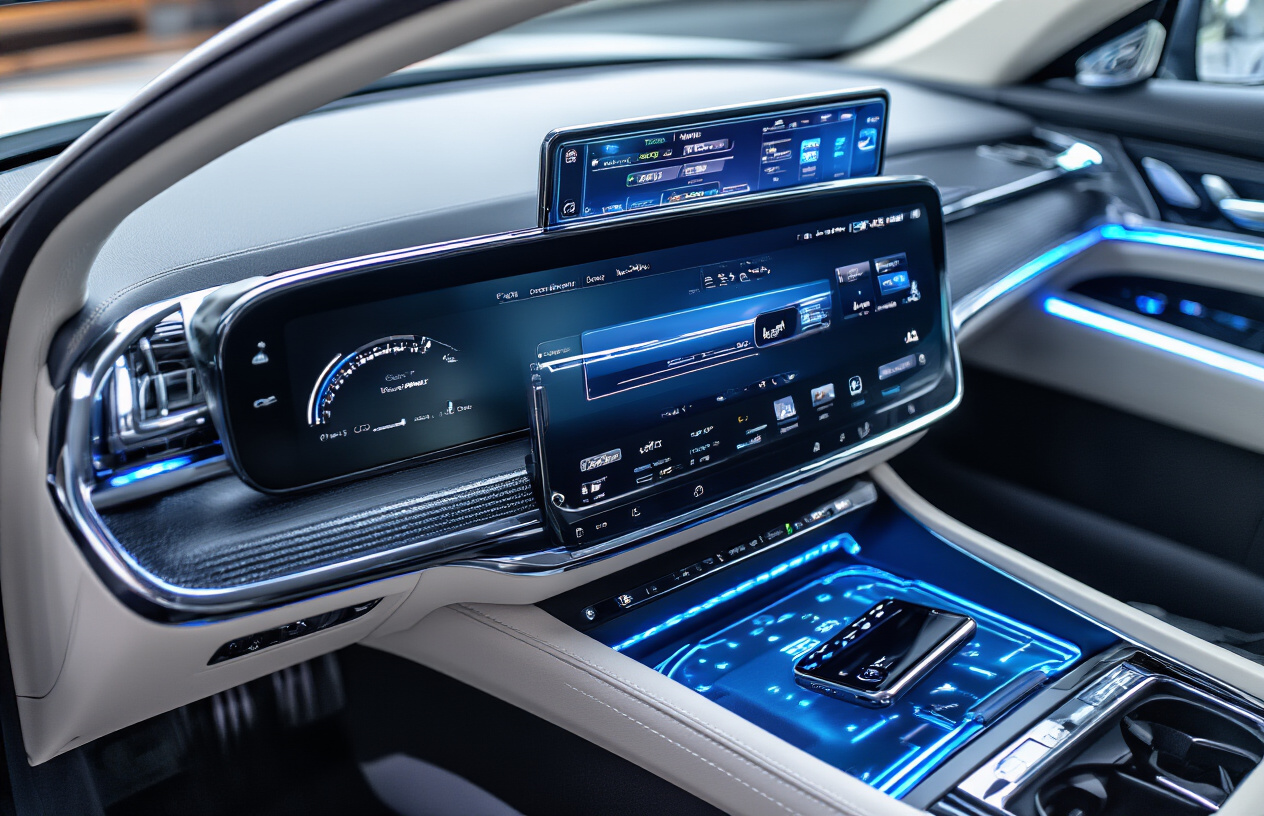
Revolutionary Infotainment and Connectivity Solutions
Seamless Smartphone Integration for Ultimate Convenience
Modern American vehicles have transformed the driving experience through sophisticated smartphone integration technologies. Smartphones can be paired with in-vehicle infotainment systems using multiple connectivity options including hands-free Bluetooth connectivity, universal serial bus (USB), or Wi-Fi to enable drivers to access various applications directly through the dashboard interface.
The integration supports both Apple CarPlay and Android Auto compatibility, providing seamless connectivity and comprehensive app access. This smartphone mirroring technology allows drivers to access their music libraries, streaming services, navigation apps, and communication tools without handling their devices directly. The system creates a unified interface where familiar smartphone functions are displayed and controlled through the vehicle’s touchscreen monitor, ensuring drivers maintain their preferred digital ecosystem while on the road.
Voice-Activated Controls Minimizing Driver Distraction
Voice recognition technology has emerged as a critical safety feature in American automotive design. Operating touchscreen interfaces or physical buttons during driving can distract drivers, risking the safety of vehicle occupants. Advanced voice recognition systems enable drivers to operate essential car functions including navigation, calling, music selection, and radio controls through spoken commands, allowing them to maintain complete focus on driving.
These hands-free control systems respond to natural language commands, making it possible to adjust climate control settings, customize vehicle preferences such as seat positions, and control various safety features without physical interaction. The technology has evolved to understand context and provide accurate responses, significantly reducing the cognitive load on drivers while maintaining full functionality.
Over-the-Air Updates Keeping Systems Current
Vehicle-to-cloud (V2C) technology represents a revolutionary advancement in automotive connectivity. This sophisticated system allows vehicle manufacturers to send software and operating system updates over the air, supporting the addition of new features and continuously improving vehicle performance over time. These wireless updates ensure that infotainment systems remain current with the latest technological advancements without requiring dealership visits.
The over-the-air update capability extends beyond basic software patches to include new entertainment options, enhanced navigation features, and improved system functionality. This technology harnesses cloud computing infrastructure to deliver real-time improvements, ensuring American vehicles maintain cutting-edge performance throughout their operational lifespan.
High-Resolution Display Systems Providing Crystal-Clear Information
Contemporary American vehicles feature advanced in-built infotainment systems that have completely replaced traditional analogue tuners and physical buttons with sophisticated touchscreen displays. These high-resolution monitors serve as the central command center, featuring intuitive icons that can be selected to access features including music playback, navigation maps, and voice control functions.
The touchscreen monitor positioned on the dashboard provides crystal-clear visual information, while displays installed at rear seats deliver entertainment and information to passengers in the back section of the vehicle. Modern architecture allows for the integration of audio and video controls directly on steering wheels, improving user experience while maintaining driver safety. These display systems utilize GPS technology to provide real-time traffic updates, congestion alerts, and optimal route suggestions, creating a seamless navigation experience that reduces driver stress and enhances journey efficiency.
Aerodynamic Design Innovations Boosting Efficiency and Speed

Aerodynamic Design Innovations Boosting Efficiency and Speed
Wind-Tunnel Tested Body Shapes Reducing Drag Coefficient
Wind tunnel testing remains a cornerstone of aerodynamic research and development in the automotive industry, providing critical data for improving car aerodynamics through controlled airflow simulation. Modern wind tunnels create precise airflow around vehicle models to assess aerodynamic forces such as drag and lift, allowing engineers to obtain accurate measurements for optimizing vehicle designs.
The effectiveness of wind tunnel testing is demonstrated through remarkable achievements across the industry. General Motors has achieved a 25% reduction in the drag coefficient of their vehicles through extensive wind tunnel testing, resulting in enhanced fuel efficiency, improved handling, and superior overall performance. This significant improvement showcases the vital role wind tunnel testing plays in advancing automotive aerodynamics.
Wind tunnels consist of five main sections: settling chamber, contraction cone, test section, diffuser, and drive section. Each component plays a crucial role in controlling and measuring airflow around vehicle models, typically representing 60% of the original car size for accurate and scalable testing. Understanding airflow patterns through these controlled environments allows engineers to optimize vehicle designs for reduced drag and improved performance, particularly benefiting high-performance vehicles that rely heavily on aerodynamic innovations to achieve maximum efficiency.
Active Aerodynamic Elements Adapting to Driving Conditions
Active aerodynamic systems represent a revolutionary advancement in modern automotive design, utilizing dynamic components that adjust in real-time based on driving conditions to optimize airflow and reduce drag. These sophisticated systems incorporate movable elements like adjustable spoilers and grille shutters that continuously adapt to enhance fuel efficiency and vehicle performance.
The Porsche 911 GT3 RS exemplifies cutting-edge active aerodynamics with its adjustable rear wing that changes position based on speed to maximize downforce and reduce drag as needed. This system can alter its angle to either reduce drag for straight-line speed or increase downforce for high-speed cornering, demonstrating how active aerodynamics enhances vehicle stability during high-speed driving.
Active grille shutters represent another crucial innovation, opening and closing automatically to manage airflow through the engine compartment. This technology improves both aerodynamics and engine cooling by optimizing air passage based on thermal requirements and aerodynamic efficiency needs. The Lamborghini Huracán Performante showcases advanced active systems that adjust front and rear spoilers in real-time to optimize airflow for faster lap times, proving how these technologies can provide significant performance advantages in competitive driving scenarios.
Lightweight Materials Improving Performance Without Sacrificing Strength
The integration of lightweight materials has become essential in modern automotive design, enabling manufacturers to reduce vehicle weight while maintaining structural integrity and improving aerodynamic performance. These materials play a crucial role in enhancing overall vehicle efficiency by reducing the energy required for acceleration and maintaining speed.
Materials like carbon fiber contribute significantly to reducing a vehicle’s drag due to their lightweight properties and inherent aerodynamic characteristics. The strategic use of these advanced materials allows engineers to create smoother, more streamlined surfaces that facilitate better airflow management around the vehicle body.
Electric and hybrid vehicles particularly benefit from lightweight material implementations, as these vehicles face unique aerodynamic challenges due to their design characteristics and operational requirements. The flexible design layouts possible with lightweight materials in electric vehicles help optimize aerodynamic efficiency, taking advantage of compact electric drivetrains to create more streamlined vehicle profiles that can achieve range improvements of 10% or more through enhanced aerodynamic design.
Carbon Fiber Components Enhancing Structural Integrity
Carbon fiber components have revolutionized automotive construction by providing exceptional strength-to-weight ratios while contributing to improved aerodynamic performance. The McLaren P1 serves as an exemplary case study, utilizing carbon fiber in conjunction with titanium to create innovative designs that allow the vehicle to reach speeds of 217 mph while maintaining optimal aerodynamic efficiency.
The lightweight nature of carbon fiber enables designers to create complex aerodynamic shapes that would be impractical with traditional materials, allowing for more sophisticated airflow management systems. These components facilitate the integration of active aerodynamic elements and precision-engineered surfaces that minimize drag while maximizing structural performance.
Carbon fiber’s unique properties make it ideal for creating underbody panels and aerodynamic components that smooth airflow underneath vehicles, reducing drag and enhancing stability. The material’s ability to be molded into complex shapes allows engineers to create components that serve dual purposes – providing structural support while optimizing aerodynamic flow patterns around critical vehicle areas such as wheel wells, side mirrors, and engine compartments.
Advanced Manufacturing Techniques Ensuring Quality and Precision

Advanced Manufacturing Techniques Ensuring Quality and Precision
Robotic Assembly Lines Delivering Consistent Build Quality
Modern automotive manufacturing has revolutionized through automated quality control systems integrated directly into assembly lines. These sophisticated robotic systems can automatically detect and address issues such as poorly fitted parts or defective welds in real-time, ensuring consistent build quality across every vehicle produced. The automation eliminates human error in repetitive quality checks while maintaining the precision necessary for complex automotive components.
Robotic assembly lines utilize advanced sensors and computer programs that take detailed measurements of each car’s responses during the manufacturing process. This technological integration allows manufacturers to maintain tighter tolerances and catch potential issues before they become costly problems down the line. The automated systems work continuously, providing 24/7 quality monitoring that human inspectors simply cannot match in terms of consistency and endurance.
Computer-Aided Design Systems Optimizing Every Component
Computer-aided design (CAD) systems have transformed how automotive engineers approach component optimization and testing. These sophisticated programs enable manufacturers to mimic and even exceed real-world conditions within their testing centers, eliminating the need for extensive physical prototyping in many cases. Engineers can now run thousands of virtual simulations before building a single physical prototype.
The precision of modern CAD systems allows for more closely controlled testing environments where variables can be adjusted with pinpoint accuracy. This capability enables manufacturers to test extreme conditions digitally, from temperature variations to stress loads, ensuring every component meets stringent quality standards before production begins. The result is optimized designs that perform reliably under the most demanding circumstances.
Quality Control Processes Exceeding Industry Standards
The quality control process in modern automotive manufacturing extends far beyond basic assembly checks. Vehicles undergo rigorous testing protocols including specialized surface testing to evaluate ride smoothness and suspension durability. Manufacturers expose cars to extreme temperature variations, testing how mechanical components function across all weather conditions to ensure reliable performance.
One of the most comprehensive quality control measures involves airtightness testing, where vehicles are filled with smoke and every window and door seal is checked to ensure complete sealing. This meticulous approach, combined with crash testing programs that exceed government requirements, demonstrates the industry’s commitment to safety and reliability. Each production vehicle receives individual testing for fluid leaks, air leaks, mechanical problems, and proper assembly verification.
Sustainable Production Methods Reducing Environmental Impact
While maintaining the highest quality standards, automotive manufacturers have simultaneously focused on developing sustainable production methods. The integration of advanced manufacturing techniques allows for more efficient resource utilization, reducing waste throughout the production process. Automated systems optimize material usage and minimize defective parts that would otherwise require disposal and rework.
The human element remains crucial in sustainable quality control initiatives. Many manufacturers have built corporate cultures where every employee takes responsibility for quality, encouraging workers to identify and report potential improvements. This collaborative approach not only maintains quality standards but also promotes continuous improvement in manufacturing processes, leading to more sustainable and environmentally conscious production methods that don’t compromise on the precision and reliability that modern vehicles demand.
Market-Leading Performance Metrics Setting New Benchmarks
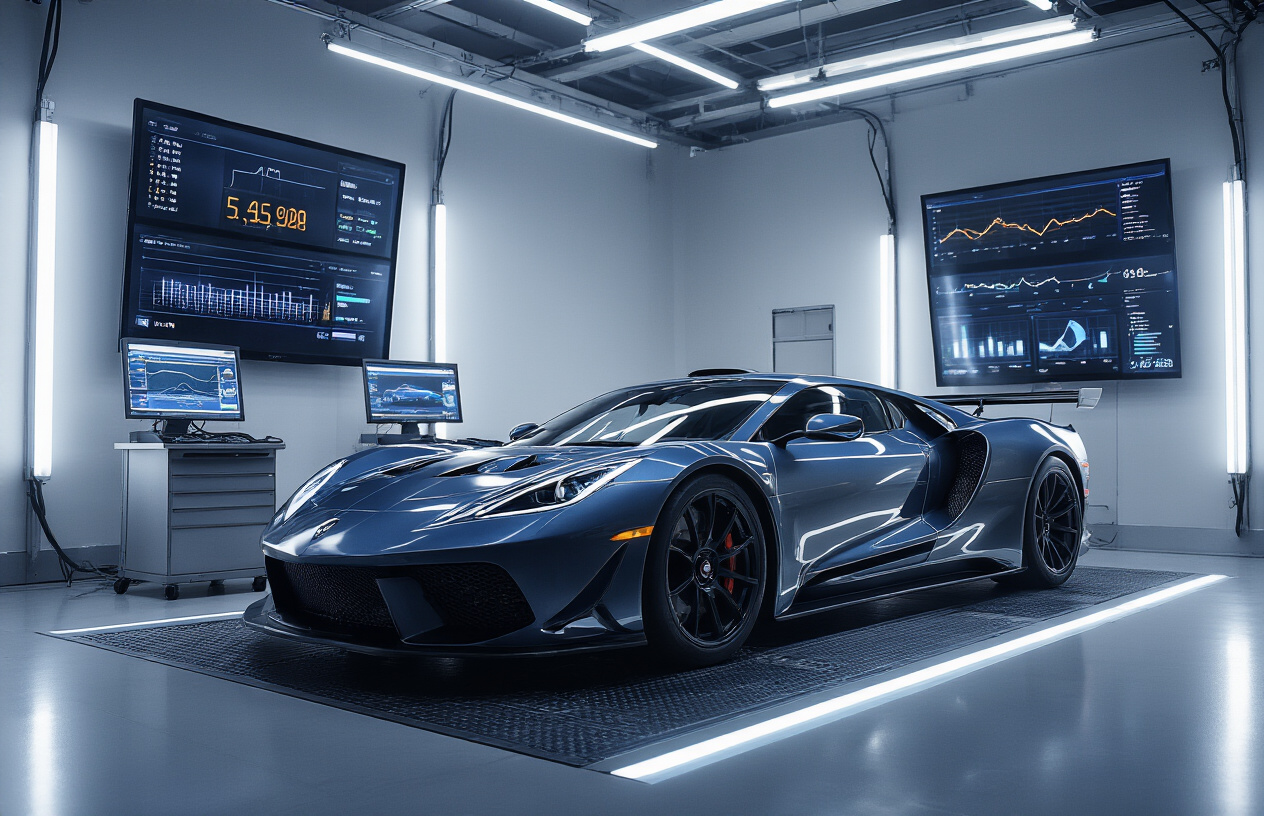
Market-Leading Performance Metrics Setting New Benchmarks
Now that we have covered the cutting-edge technologies transforming American automotive engineering, it’s essential to examine how these innovations translate into measurable performance achievements that rival the world’s most prestigious supercars.
Acceleration Times Rivaling Supercars
The acceleration capabilities of modern American performance vehicles represent a quantum leap in straight-line performance testing. Professional automotive testing employs sophisticated VBOX GPS data loggers operating at frequencies up to 100 Hz, delivering speed accuracy within 0.1 mph and positional accuracy to within one inch when paired with GPS base stations. These precision instruments capture zero-to-60 mph times that consistently challenge exotic supercar benchmarks.
Standing start acceleration tests reveal the true potential of American powertrains, with results averaged from the best runs in opposite directions to eliminate wind variables. Modern testing protocols incorporate the industry-standard 1-foot rollout, accounting for the physics of timing systems where vehicles can be rolling for 12 inches before timing begins. The rolling start test, measuring 5-to-60 mph acceleration, illuminates powertrain flexibility and reveals engine lag characteristics, particularly relevant with today’s advanced turbocharged configurations.
Top Speed Capabilities Exceeding Highway Limits
American performance vehicles increasingly reach speeds limited by electronic governors rather than mechanical constraints. While some vehicles encounter drag-limited top speeds due to aerodynamic resistance, fewer reach redline-limited velocities where upshifting actually reduces maximum speed capability. The dramatic increase in vehicle performance over the past two decades has necessitated specialized testing facilities and controlled environments to safely evaluate these extreme capabilities.
Handling Characteristics Delivering Track-Ready Performance
Advanced VBOX systems equipped with CAN communication interfaces log critical vehicle data including steering angle, engine speed, and throttle position during cornering and handling assessments. These comprehensive data sets provide insight into suspension dynamics, chassis rigidity, and overall vehicle balance under extreme cornering loads. The integration of multiple satellite systems, including GPS and GLONASS constellations, ensures precise tracking of vehicle trajectory and performance consistency across varied track conditions.
Braking Distances Ensuring Maximum Safety at High Speeds
Professional testing protocols account for atmospheric variables that significantly impact performance metrics. Ambient barometric pressure, temperature readings using wet and dry-bulb measurements, and humidity levels all influence engine power output and braking efficiency. Results are standardized to 60 degrees Fahrenheit at sea level conditions, ensuring consistent and comparable performance benchmarks. This meticulous approach to environmental correction guarantees that braking distances reflect true vehicle capabilities rather than temporary atmospheric conditions.
With this comprehensive testing methodology, American manufacturers continue establishing new performance standards that demonstrate their commitment to engineering excellence and driver safety at extreme velocities.

American automotive manufacturers have positioned themselves at the forefront of a technological revolution, delivering vehicles that seamlessly integrate blistering performance with cutting-edge innovation. From revolutionary powertrain technologies that redefine speed and efficiency to advanced safety systems that protect every journey, these vehicles represent the pinnacle of engineering excellence. The integration of sophisticated infotainment systems, aerodynamic design breakthroughs, and precision manufacturing techniques demonstrates how American automakers are setting new industry standards across every critical performance metric.
The future of American automotive excellence is here, offering drivers an unprecedented combination of raw power, intelligent technology, and uncompromising safety. These advancements aren’t just about impressive specifications—they’re about creating vehicles that enhance every aspect of the driving experience while pushing the boundaries of what’s possible on the road. For those seeking the ultimate fusion of performance and innovation, these future-ready American vehicles deliver an automotive experience that truly defines the next generation of driving excellence.