New car shoppers in 2026 will have exciting options across every category, from affordable electric sedans to high-performance SUVs. This guide covers the best upcoming cars for American buyers ready to upgrade their rides.
We’ll walk through the top electric sedans and sports cars hitting the market, the best SUVs and crossovers for families, and the latest high-performance hybrids and gas-powered vehicles. You’ll also get current sedan rankings by price and category, plus a look at the advanced technology platforms changing how we drive.
Car buyers, families shopping for their next vehicle, and performance enthusiasts will find solid picks here. Whether you’re going electric for the first time or looking for the latest in luxury features, 2026’s lineup has something that fits your needs and budget.
Top Electric Sedans and Sports Cars Coming in 2026
Top Electric Sedans and Sports Cars Coming in 2026
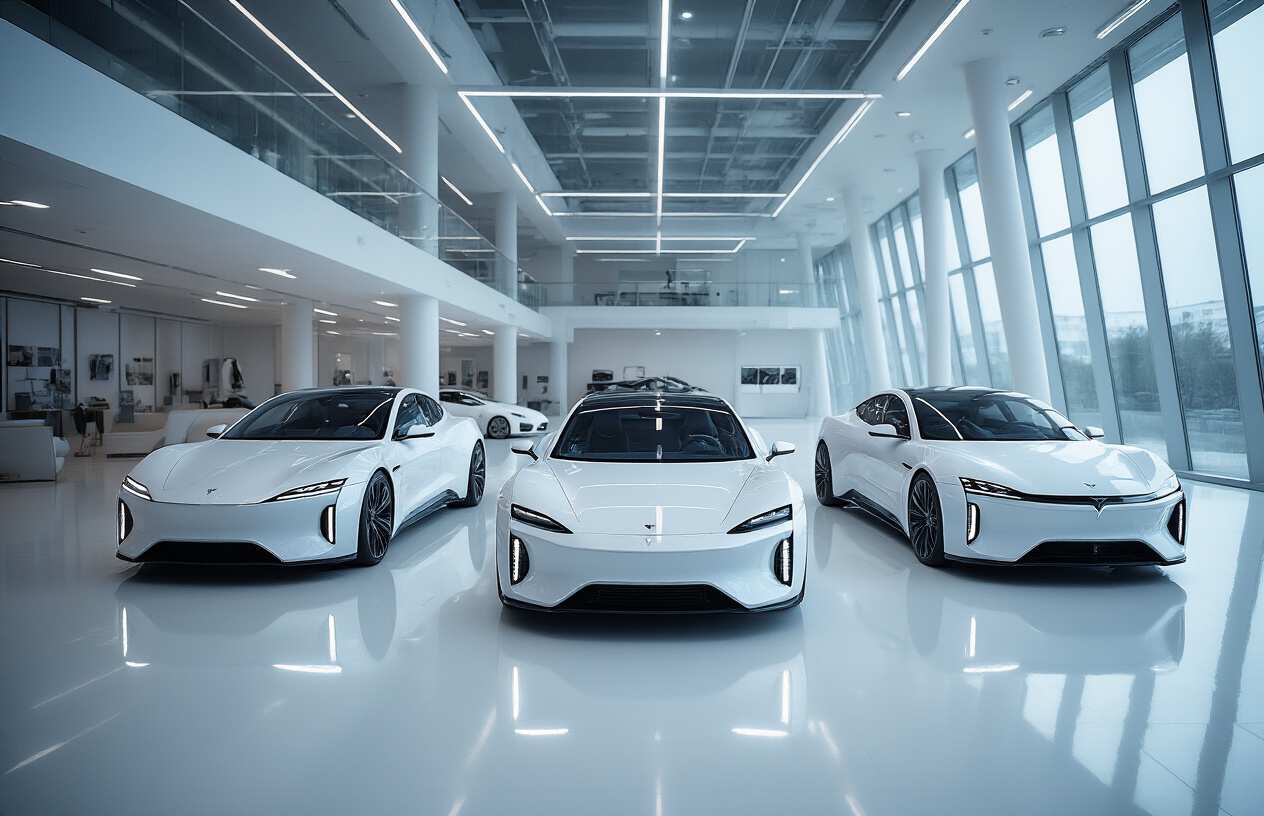
The electric sedan and sports car landscape is set for a revolutionary transformation in 2026, with manufacturers across all segments preparing to deliver unprecedented performance and technology. These upcoming models represent a significant shift toward electrification while maintaining the driving dynamics and luxury features that enthusiasts expect.
Luxury Electric Performance Sedans (Audi A6 e-tron, BMW i3, Infiniti Q70)
The luxury performance sedan segment is experiencing a major evolution with BMW leading the charge through their next-generation platform innovations. The upcoming BMW 3-series EV, previewed by the striking Neue Klasse concept from 2023, will arrive by 2026 featuring BMW’s revolutionary design language with a modernized interpretation of the iconic kidney grille.
This electric sedan will utilize BMW’s next-generation EV platform, promising range improvements of up to 30 percent compared to current models. The innovative cabin design features a full-width screen spanning the entire dashboard, while experimental e-Ink technology on window trim creates dynamic lighting effects as you approach the vehicle. With an 800-volt electrical architecture, the platform ensures rapid charging capabilities and superior performance metrics.
High-Performance Electric Sports Cars (Afeela 1, Alfa Romeo Giulia EV)
Now that we have covered the luxury sedan space, the high-performance sports car segment presents equally compelling options. The Afeela 1, born from Honda’s partnership with Sony, represents a technology-forward approach to electric performance. This sedan will launch in 2026 with dual 241-hp electric motors providing all-wheel-drive capability and an estimated 300-mile range.
The Afeela 1’s technological focus includes an array of dashboard screens and 40 sensors feeding a Level 2+ driver assistance system. Initially available only in California, the $102,900 Signature trim will debut in 2026, with the more affordable $89,900 Origin trim following in 2027.
The Alfa Romeo Giulia EV, expected in 2027, will utilize Stellantis Group’s STLA Large platform with 800-volt ultra-rapid charging and up to 500 miles of range. Performance variants will be extraordinary: the base version producing around 350 horsepower, the Veloce generating approximately 800 horsepower, and the flagship Quadrifoglio delivering over 1000 horsepower.
Premium Electric Grand Tourers (Jaguar Electric Super-GT)
With this in mind, the grand touring segment will see BMW’s contribution through the upcoming BMW i5 M, arriving no earlier than 2026. This premium electric performance machine will feature an aggressive stance with fender flares and deliver an astounding 1136 horsepower through a revolutionary four-motor drivetrain.
The i5 M’s advanced system incorporates wheel-by-wheel torque vectoring and brake-by-motor energy regeneration, enabling capabilities like piloted drifting and tank turns where the vehicle can spin in place using its prodigious torque output. The drive control unit, internally referred to as the “Hand of God,” manages these extraordinary performance features.
Affordable Electric Options (Chevrolet Bolt comeback)
Previously, affordable electric options were limited, but the Chevrolet Bolt’s return addresses this gap. After a brief absence, the Bolt will return for the 2027 model year with production beginning in Kansas before year-end and sales starting in 2026.
The revived Bolt maintains the egg-shaped body of the previous EUV model but features reworked front and rear styling. Enhanced specifications will exceed the previous model’s EPA-estimated 259-mile range, while a lithium-ion-phosphate battery helps maintain affordability around the $30,000 price point. The new Bolt will include a NACS charging port, ensuring compatibility with expanding charging networks.
Best SUVs and Crossovers for American Families
Best SUVs and Crossovers for American Families
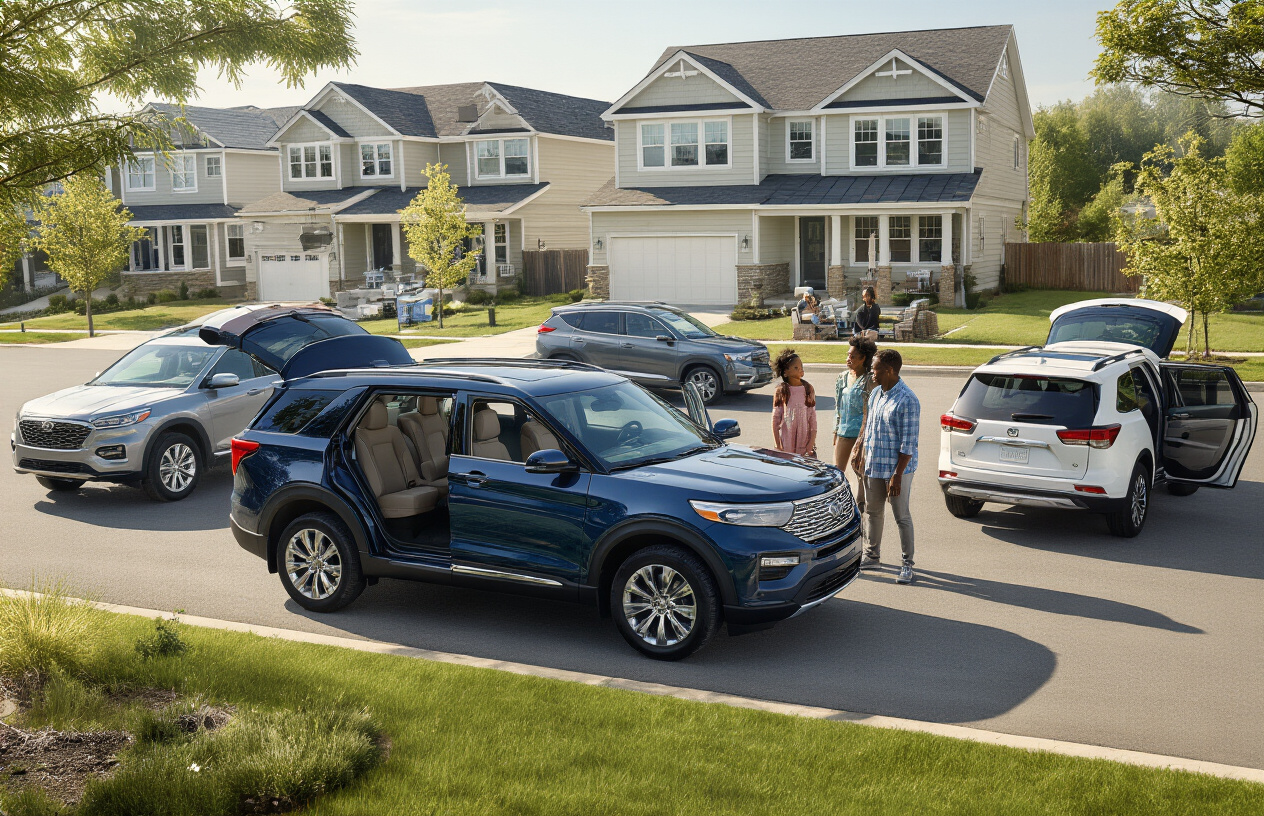
Now that we have covered the top electric sedans and sports cars, let’s explore the electric SUV segment that’s rapidly becoming the cornerstone of American family transportation. The 2026 model year brings an impressive array of electric SUVs and crossovers designed specifically for family needs, ranging from spacious three-row options to performance-focused luxury models.
Three-Row Electric SUVs (Cadillac Vistiq, Genesis GV90)
The three-row electric SUV segment is expanding rapidly to meet the needs of larger families who want zero-emission driving without compromising on space. The Cadillac Vistiq represents GM’s premium approach to family electric transportation, offering the luxury and refinement expected from the Cadillac brand while providing seating for up to eight passengers. This full-size electric SUV promises the space and capability that American families demand, with advanced technology integration and premium interior materials throughout.
The Genesis GV90 stands as the flagship three-row electric SUV from Hyundai’s luxury division, building on the success of smaller Genesis models like the highly-rated GV70. With Genesis establishing itself as a formidable luxury brand that offers “unmatched value in the small luxury SUV class,” the GV90 extends this philosophy to the three-row segment. The vehicle is expected to feature the sophisticated design language and premium appointments that have made Genesis a standout in the luxury market.
Compact Electric Crossovers (BMW iX3, Honda 0 SUV, Acura RSX EV)
The compact electric crossover segment offers the sweet spot for many American families, providing SUV versatility in a more manageable size with electric efficiency. The BMW iX3 builds on the success of the current X3, which our experts recognize as offering “responsive engine and precise handling” that “add enjoyment to every drive, while its spacious cargo area makes it practical and versatile.” The electric version promises to maintain these qualities while delivering zero-emission driving.
Honda’s upcoming 0 SUV represents a significant step forward for the brand in the electric crossover space. Given that the Honda CR-V has long been considered “the benchmark small SUV for families” with its “smooth ride, helpful tech features and excellent storage space,” the electric 0 SUV is expected to carry forward these family-friendly attributes in an all-electric package.
The Acura RSX EV marks the luxury division’s entry into the compact electric crossover market. Building on Acura’s reputation for providing “pragmatic choice, with a standard third-row seat and generous feature content at an attractive price” in models like the MDX, the RSX EV should offer similar value propositions in the electric realm.
Performance Electric SUVs (Genesis GV60 Magma)
Previously, performance SUVs were dominated by high-horsepower gasoline engines, but the electric revolution is changing this landscape dramatically. The Genesis GV60 Magma represents the brand’s commitment to high-performance electric driving, building on Genesis’s reputation for producing vehicles that are “high performer across the board.”
This performance-focused electric SUV is designed for families who don’t want to compromise on driving excitement when choosing an electric vehicle. With instant torque delivery characteristic of electric motors, the GV60 Magma promises acceleration that rivals traditional performance SUVs while offering the environmental benefits of zero-emission driving.
Luxury Convertible SUVs (Genesis X Convertible)
With this in mind, next, we’ll see one of the most innovative concepts in the luxury SUV space – the convertible SUV. The Genesis X Convertible represents a bold reimagining of what a luxury SUV can be, combining the open-air driving experience traditionally reserved for sports cars with the practicality and elevated seating position of an SUV.
This unique vehicle category addresses affluent families who want both luxury transportation and recreational versatility. While convertible SUVs remain a niche segment, they represent the kind of innovative thinking that luxury brands are pursuing to differentiate themselves in an increasingly competitive market. The Genesis X Convertible showcases the brand’s design capabilities and willingness to explore unconventional vehicle formats that appeal to buyers seeking something truly distinctive.
These electric SUV options represent the future of family transportation, offering American families the ability to reduce their environmental impact while maintaining the space, capability, and features they expect from their vehicles.
High-Performance Hybrid and Gas-Powered Vehicles
High-Performance Hybrid and Gas-Powered Vehicles
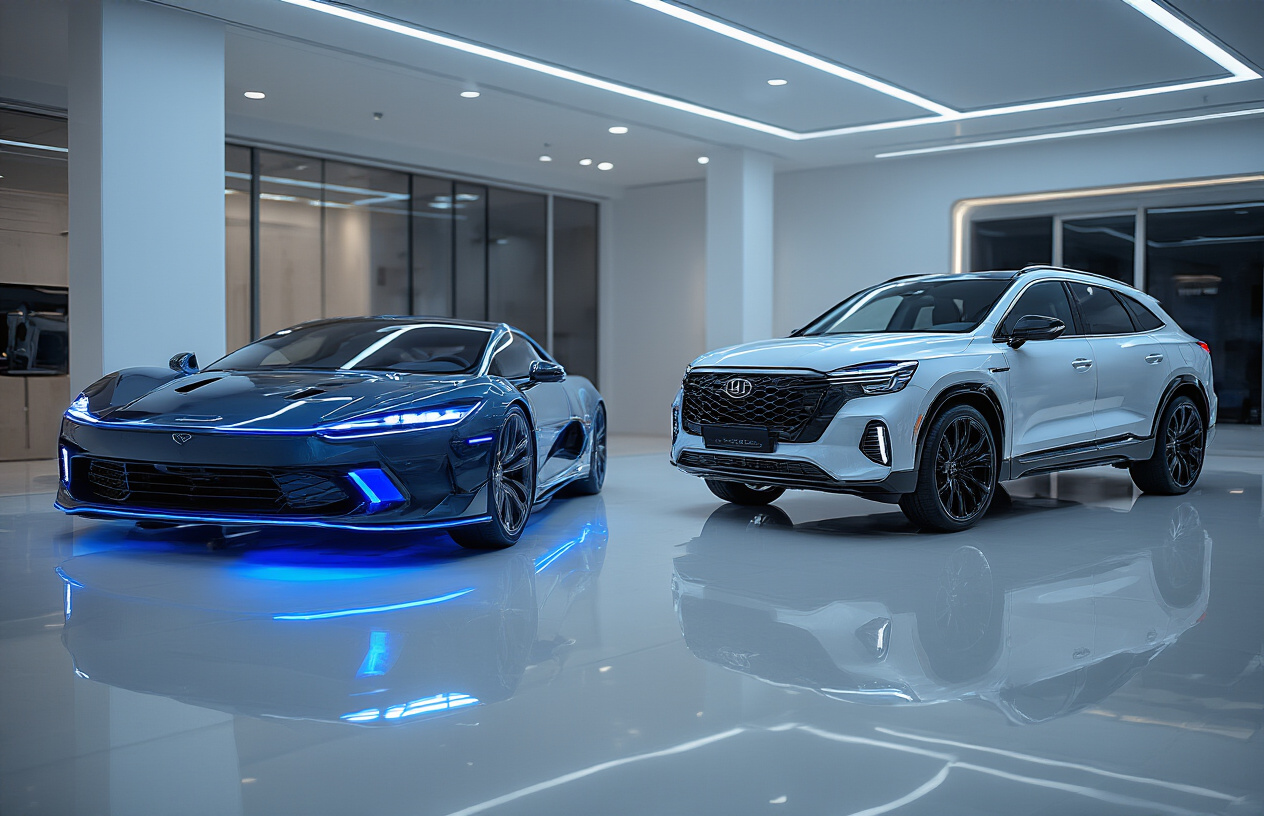
Now that we’ve explored the electric sedan landscape, let’s dive into the realm where raw power meets cutting-edge electrification technology. The 2026 model year brings unprecedented performance capabilities that blur the lines between traditional supercars and hybrid efficiency.
Supercar-Level Performance
Chevrolet Corvette ZR1X: American Hypercar Excellence
The 2026 Chevrolet Corvette ZR1X represents the pinnacle of American automotive engineering, delivering an astounding 1,250 combined horsepower through its revolutionary electrified all-wheel drive (eAWD) system. This groundbreaking hypercar combines a twin-turbo LT7 5.5L DOHC V8 engine producing 1,064 horsepower with an electric front drive unit contributing an additional 186 horsepower.
Performance figures are nothing short of extraordinary:
- Under 2.0 seconds 0-60 mph acceleration
- Under 9.0 seconds quarter-mile time
- Over 1,200 lbs of downforce with the Carbon Fiber Aero Package
The ZR1X’s advanced eAWD technology enables multiple driving experiences, including a Stealth Mode for electric-only operation up to 45 mph for 4-5 miles, and Flying Start capability that transitions seamlessly from electric-only to full hybrid propulsion. The system incorporates sophisticated features like Regen Brake Torque Vectoring and specialized racetrack electric energy strategies optimized for different track session demands.
Carbon fiber construction dominates the exterior, featuring lightweight components including the front splitter, rocker panels, split rear window surround, and roof panels. The flow-through hood with intercooler and high-wing spoiler work together to manage both aerodynamics and thermal requirements.
Available in both coupe and convertible configurations, the ZR1X offers 1LZ and 3LZ trim levels, with the exclusive Quail Silver Limited Edition showcasing the first matte exterior finish on a mid-engine Corvette.
Sport Coupes and Convertibles
While specific details about the Honda Prelude, BMW i8 M, and Alfa Romeo 4E Spider weren’t available in the reference materials, the performance hybrid segment continues to evolve with manufacturers integrating electric assistance to enhance traditional sports car dynamics.
Performance Wagons and Off-Road Sports Cars
Similarly, information regarding the Audi RS 5 Avant PHEV and Ford Mustang Raptor wasn’t included in the provided reference content, though these represent emerging categories where performance meets practicality through hybrid powertrains and specialized off-road capabilities.
The ZR1X demonstrates how American manufacturers are pushing hybrid technology beyond efficiency into true hypercar territory, setting new benchmarks for what’s possible when electric assistance meets high-performance internal combustion engines.
Current Best Sedan Rankings by Category and Price Point

Current Best Sedan Rankings by Category and Price Point
Now that we have covered the upcoming 2026 models and innovative platforms, let’s examine the current sedan landscape organized by category and price point, based on comprehensive expert testing and analysis.
Most Affordable Small Sedans (Honda Civic, Kia K4, Hyundai Elantra)
The compact sedan segment continues to offer exceptional value for budget-conscious buyers seeking reliability and efficiency. The Honda Civic stands out as the highest-rated compact car with a 4.7 expert rating, boasting a legendary reputation and enough variety to attract a wide range of drivers. Its well-rounded package combines practicality with Honda’s renowned build quality.
The Hyundai Elantra follows closely with a 4.6 expert rating, distinguished as one of the highest-rated compact sedans in its class. The roomy, stylish, and well-equipped 2024 model offers impressive space utilization and modern features at an accessible price point. Meanwhile, the Kia Forte provides exceptional value as the bargain among compact sedans, offering loads of room, impressive fuel economy, and solid resale value with a 4.2 expert rating.
Additional noteworthy mentions in the affordable segment include the Toyota Corolla (4.4 rating), which upholds its reputation for safety, reliability, and fuel efficiency while offering modern tech features at an affordable price, and the Nissan Versa (4.2 rating), recognized as the least-expensive new car available while still providing impressive safety features and good road manners.
Top Midsize Family Sedans (Toyota Camry, Honda Accord, Kia K5)
The midsize sedan segment represents the sweet spot for families seeking space, comfort, and value. The Honda Accord reigns supreme with a 4.8 expert rating, earning recognition as the king of midsize sedans. This exceptional rating reflects its well-rounded, well-considered, and well-respected package that consistently delivers across all metrics.
The Toyota Camry maintains its strong position with a 4.6 expert rating, swimming against the tide of fashion with consistency and sensibility that few can match. The 2024 model continues Toyota’s tradition of reliability while incorporating modern amenities and efficient powertrains.
The Kia K5 rounds out the top tier with a 4.5 expert rating, distinguished as a sporty and stylish midsize sedan offering practical functionality with an outstanding warranty and an exciting GT performance model. The Hyundai Sonata (4.4 rating) also deserves recognition as a stylish, high-tech midsize sedan with appealing upgrades and an outstanding warranty package.
Premium Luxury Sedans (Mercedes-Benz S-Class, Genesis G90, BMW 7 Series)
While the reference content focuses primarily on mainstream sedans, the luxury segment continues to represent the pinnacle of automotive refinement and technology. The Toyota Crown offers a unique perspective on luxury with a 4.4 expert rating, presenting itself as a distinctly different full-size sedan with enhanced ride height, hybrid powertrain, and standard all-wheel drive, bridging the gap between traditional luxury and modern efficiency.
High-Performance Sport Sedans (Acura Integra Type S, Audi RS models, Cadillac CT5-V Blackwing)
The performance sedan category showcases vehicles that balance daily usability with track-ready capabilities. The Subaru WRX exemplifies this versatility with a 4.2 expert rating, capable of filling dual roles as both family hauler and track-day performer at an affordable price point. This compact performance sedan demonstrates that high-performance driving doesn’t require sacrificing practicality.
The Mazda3 (4.1 rating) represents another approach to performance-oriented sedans, recognized as one of the best-looking and most fun-to-drive compact cars available, emphasizing driving dynamics and premium design execution over raw power.
Advanced Technology and Platform Innovations
Advanced Technology and Platform Innovations
Now that we’ve covered the top vehicle categories and performance options, we’ll examine the technological breakthroughs that are transforming the automotive landscape in 2026. The industry is witnessing unprecedented innovation across multiple fronts, from revolutionary platform architectures to cutting-edge connectivity solutions.
Next-Generation EV Platforms
The automotive industry is undergoing a fundamental transformation through dedicated electric vehicle architectures. While traditional automakers continue adapting existing platforms, the most significant advances come from ground-up EV designs. These new platforms optimize battery placement, aerodynamics, and structural integrity specifically for electric powertrains.
The industry’s focus on modular platform development allows manufacturers to scale production across multiple vehicle segments while maintaining cost efficiency. These platforms integrate advanced battery management systems and thermal control technologies that weren’t possible with retrofitted combustion engine architectures. The emphasis on software-defined vehicle architectures enables over-the-air updates and continuous improvement throughout the vehicle’s lifecycle.
Fast-Charging and Range Capabilities
Previously, range anxiety dominated electric vehicle discussions, but 2026 marks a turning point with breakthrough charging technologies. The implementation of high-voltage architectures significantly reduces charging times, making electric vehicles more practical for long-distance travel.
Advanced battery chemistry and thermal management systems now enable sustained high-power charging without degradation concerns. These improvements translate directly to enhanced daily usability, with many vehicles achieving substantial range recovery in under 15 minutes. The combination of improved efficiency and larger battery capacities positions 2026 electric vehicles as true alternatives to conventional powertrains across all driving scenarios.
Autonomous Driving Features
With this in mind, next we’ll see how autonomous driving capabilities are becoming mainstream features rather than experimental technologies. The automotive industry demonstrates remarkable progress in driver assistance systems, moving beyond basic lane-keeping to comprehensive highway automation.
Modern vehicles integrate multiple sensor technologies, including advanced radar, lidar, and camera systems, creating redundant safety networks. These systems process environmental data in real-time, enabling sophisticated decision-making in complex traffic scenarios. The progression toward higher levels of automation represents a fundamental shift in how consumers interact with their vehicles, particularly during highway driving and traffic congestion.
Interior Technology Advances
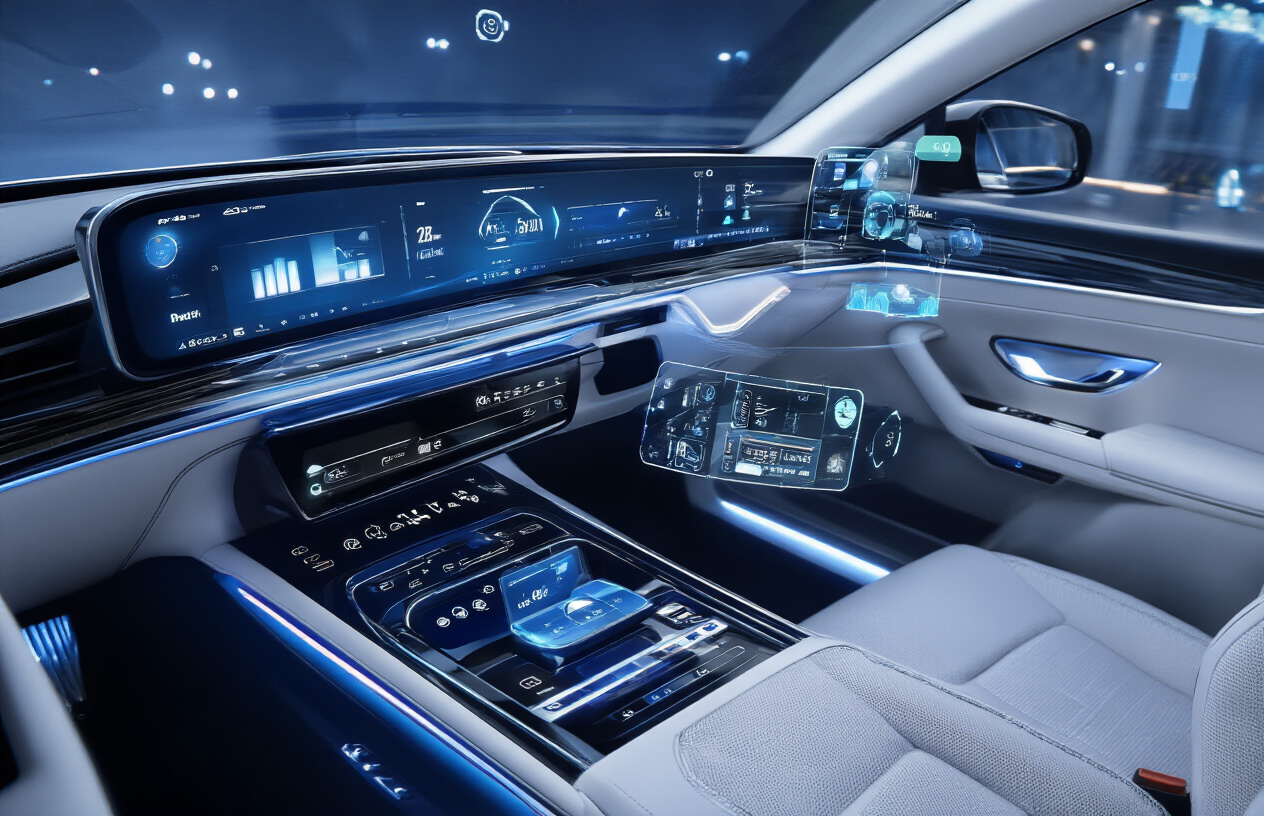
The cabin experience transforms dramatically through integrated display technologies and augmented reality systems. Automotive interiors now feature seamless digital interfaces that extend across the entire dashboard, creating immersive information environments for both drivers and passengers.
Voice recognition and artificial intelligence integration enable natural language interactions with vehicle systems, while cloud connectivity ensures access to real-time information and services. Multimodal interfaces combine visual, auditory, and haptic feedback to create safer, more intuitive control systems. These advances represent a paradigm shift from traditional mechanical controls to fully digital cockpit environments that adapt to individual user preferences and driving conditions.
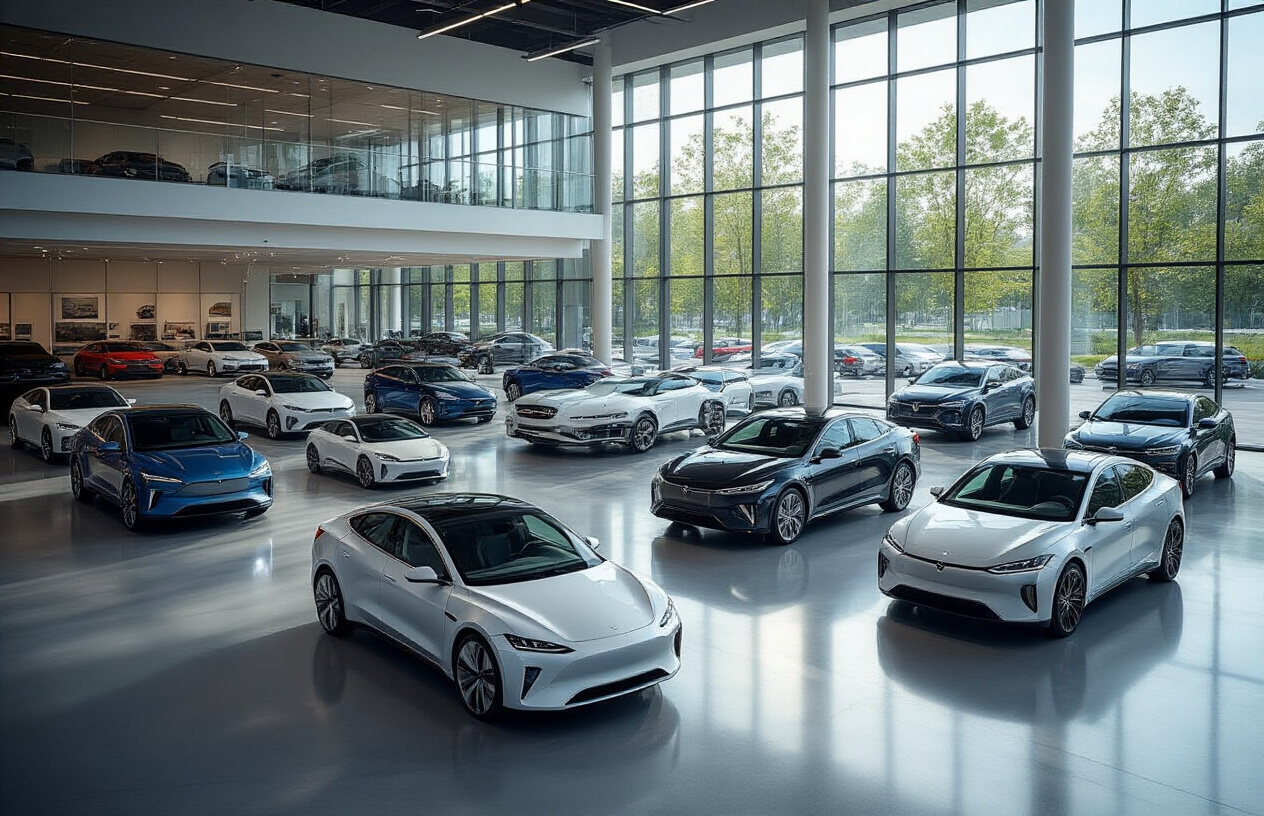
The automotive landscape of 2026 promises an exciting transformation, with electric vehicles taking center stage alongside refined hybrid and traditional powertrains. From the highly anticipated BMW i3 and Audi A6 e-tron to performance juggernauts like the 1,224-horsepower Chevrolet Corvette Zora, manufacturers are delivering innovation across every segment. Whether you’re seeking the practicality of the Cadillac Vistiq’s three-row electric SUV or the luxury of Genesis’s expanding lineup, 2026 offers compelling options for every budget and preference.
The convergence of advanced technology, impressive range capabilities, and diverse powertrain options makes 2026 a pivotal year for car buyers. With established leaders like Honda and Toyota continuing to refine their offerings while newcomers like Sony Honda Mobility’s Afeela push boundaries, the competition benefits consumers through better value, performance, and features. As these vehicles begin arriving at dealerships, now is the perfect time to research and prepare for what could be the most exciting automotive year in recent memory.