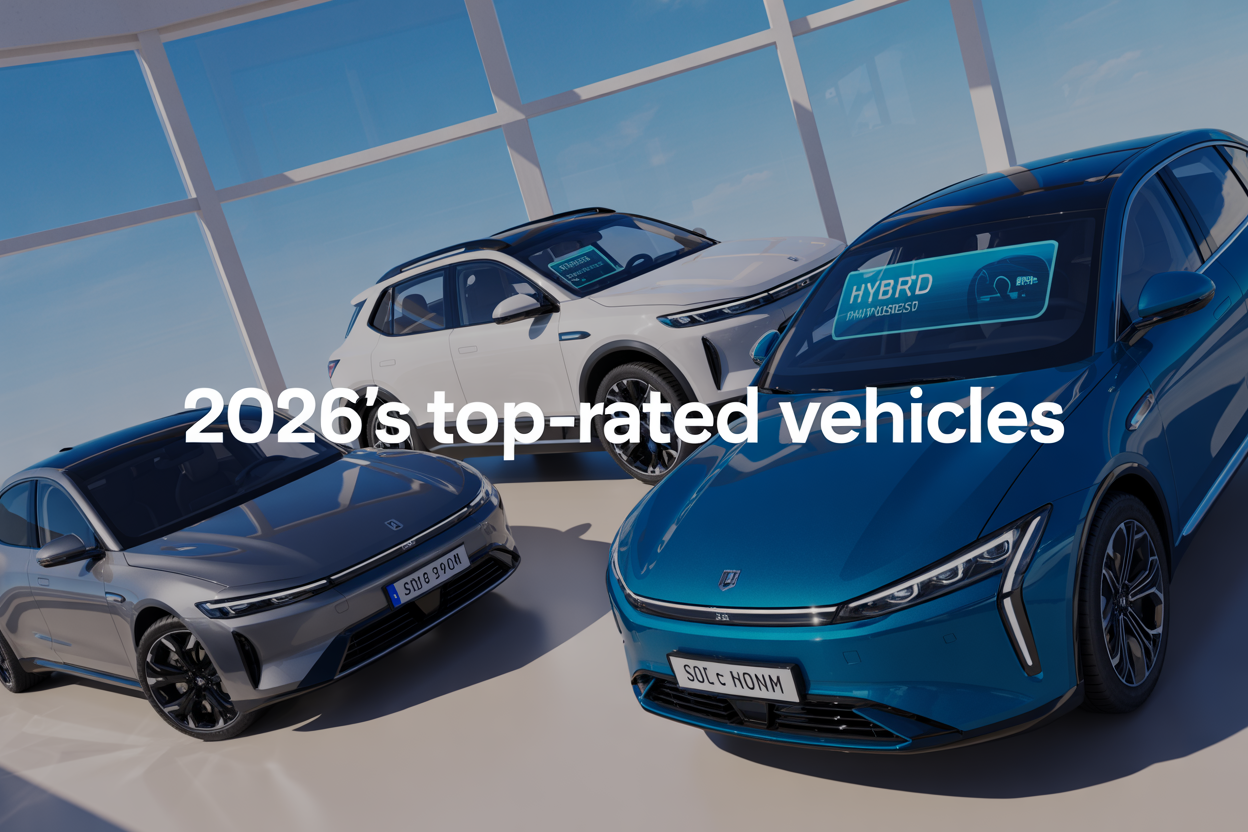
The 2026 model year brings game-changing vehicles that American drivers can’t afford to ignore. This guide is for car buyers ready to upgrade, families seeking reliable transportation, and anyone wanting to cut fuel costs while enjoying cutting-edge features.
2026’s Top-Rated Sedans, SUVs & Hybrids Every American Driver Should Know covers the vehicles that deliver real value for your money. We’ll break down the most fuel-efficient sedans that can slash your gas bills by thousands annually. You’ll discover top-performing SUVs designed specifically for American roads and family needs.
We’ll also explore revolutionary hybrid vehicles that are completely changing how we think about car ownership and daily driving costs.
Most Fuel-Efficient Sedans That Save You Thousands at the Pump
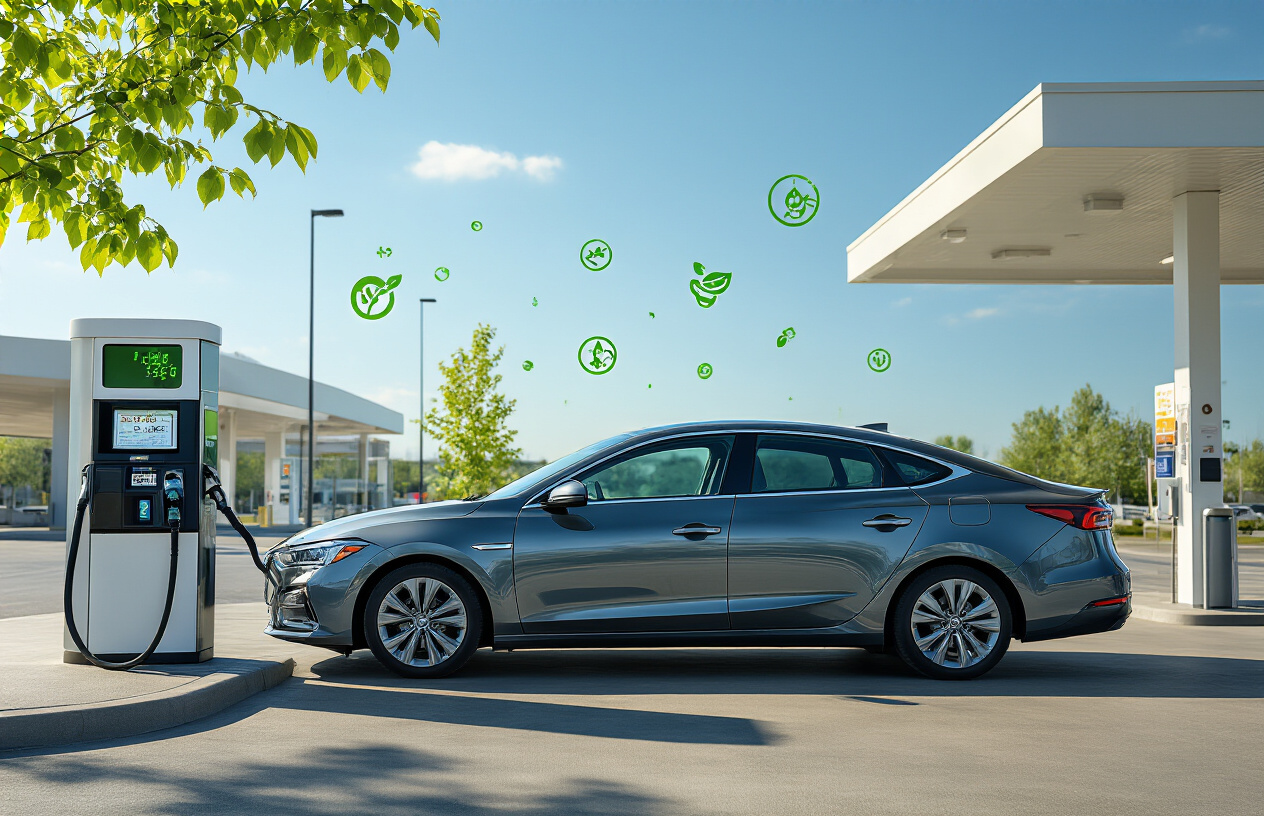
Toyota Camry Hybrid’s Unmatched 50+ MPG Performance
The 2026 Toyota Camry Hybrid stands as the undisputed champion of fuel efficiency in the sedan category, delivering an impressive 52 MPG combined that translates to real money saved at every fill-up. This powerhouse combines a 2.5-liter four-cylinder engine with Toyota’s proven hybrid system, producing 208 horsepower while sipping fuel like a compact car.
What makes this sedan exceptional goes beyond just numbers. The Camry Hybrid features Toyota’s latest battery technology that charges more efficiently and lasts longer than previous generations. The regenerative braking system captures energy that would normally be lost, feeding it back into the battery pack during city driving.
Key Performance Metrics:
- City MPG: 53
- Highway MPG: 50
- Annual Fuel Cost: Approximately $950 (based on 15,000 miles/year)
- Driving Range: Over 600 miles per tank
The financial impact becomes clear when you crunch the numbers. Compared to a traditional sedan averaging 28 MPG, Camry Hybrid owners save roughly $1,200 annually on fuel costs. Over five years of ownership, that’s $6,000 back in your pocket – enough for a nice vacation or significant down payment on your next vehicle.
Honda Accord Hybrid’s Premium Features at Affordable Pricing
Honda’s 2026 Accord Hybrid proves you don’t need to sacrifice luxury for efficiency. Starting at just under $34,000, this sedan delivers 48 MPG combined while offering features typically found in vehicles costing $10,000 more.
The Accord Hybrid’s two-motor hybrid system works seamlessly with its 2.0-liter engine, creating a driving experience that feels more like a V6 than a fuel-efficient four-cylinder. The electric motors provide instant torque, making highway merging and city acceleration surprisingly smooth and confident.
Standard Premium Features Include:
- Honda Sensing safety suite with adaptive cruise control
- Wireless Apple CarPlay and Android Auto
- Dual-zone automatic climate control
- LED headlights and taillights
- 12-speaker premium audio system
The value proposition becomes even stronger when you consider Honda’s reputation for reliability. Accord Hybrids routinely exceed 200,000 miles with minimal maintenance beyond regular service intervals. The hybrid battery carries an 8-year/100,000-mile warranty, giving owners peace of mind about long-term ownership costs.
Real-world testing shows the Accord Hybrid achieves its EPA ratings consistently, unlike some competitors that fall short in actual driving conditions. City driving yields the best results, where the electric motors handle most low-speed operations.
Nissan Altima’s Advanced CVT Technology for Maximum Efficiency
Nissan completely reimagined the 2026 Altima with their next-generation Xtronic CVT transmission that eliminates the rubber-band feel traditionally associated with continuously variable transmissions. This breakthrough technology helps the Altima achieve 39 MPG combined with the standard 2.5-liter engine – impressive numbers for a non-hybrid sedan.
The secret lies in Nissan’s D-Step Logic programming, which creates virtual gear steps that mimic a traditional automatic transmission while maintaining CVT efficiency benefits. Drivers get responsive acceleration without the droning engine noise that plagued earlier CVT systems.
Efficiency Technologies:
- Active Grille Shutters that close at highway speeds
- Low-resistance tires optimized for fuel economy
- Aerodynamic body design with 0.26 drag coefficient
- Intelligent Engine Start/Stop system
The Altima’s fuel efficiency shines brightest during highway driving, where the CVT keeps the engine in its optimal RPM range regardless of speed. Road trips become more economical, with the Altima delivering up to 42 MPG on long stretches of interstate driving.
At $26,500 for the base S trim, the Altima offers exceptional value for budget-conscious buyers who want modern efficiency without hybrid complexity. The savings add up quickly – Altima owners spend approximately $400 less per year on fuel compared to the average mid-size sedan, making it an smart choice for daily commuters and families alike.
Top-Performing SUVs Built for American Roads and Families
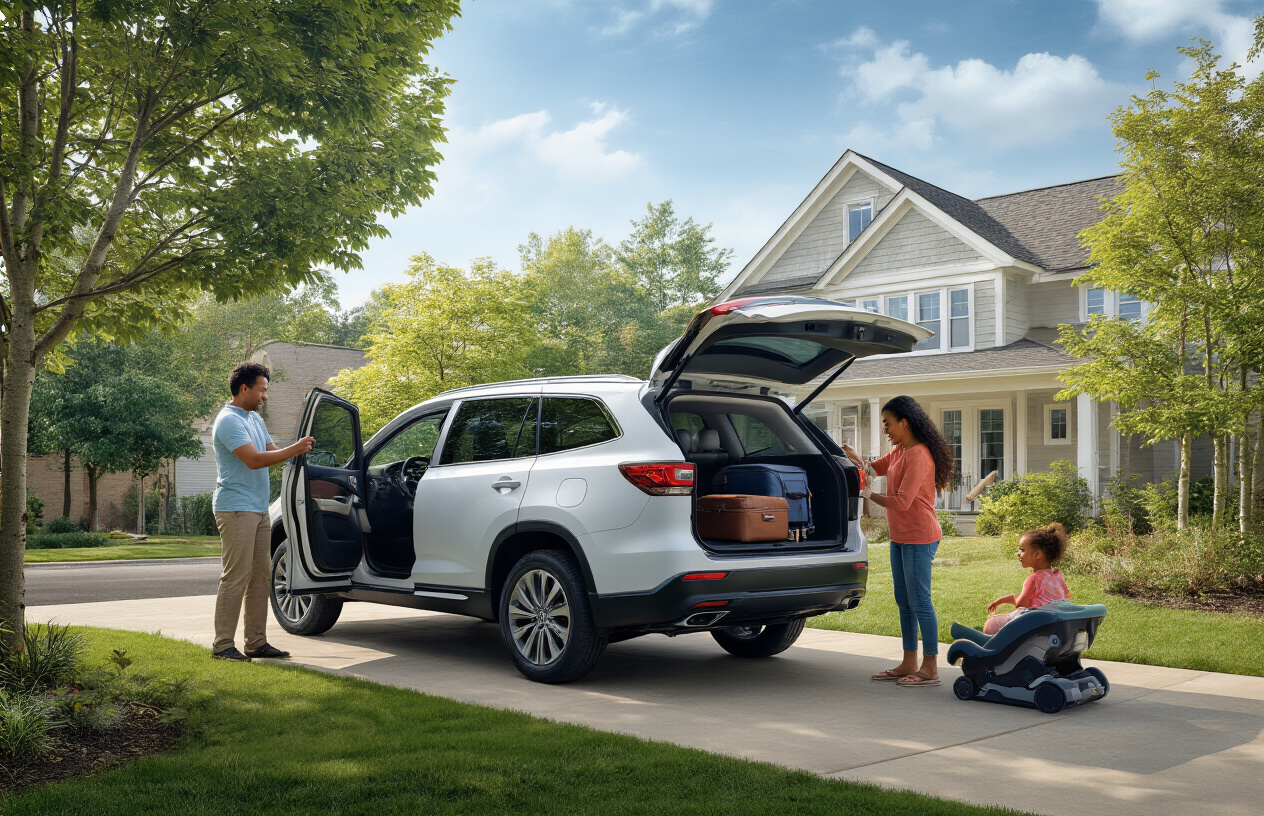
Ford Explorer’s Best-in-Class Towing Capacity and Interior Space
The 2026 Ford Explorer stands as America’s go-to family hauler, boasting an impressive 5,600-pound towing capacity that outperforms most competitors in its class. This capability means you can confidently pull a boat, travel trailer, or utility trailer without breaking a sweat. The Explorer’s turbocharged 2.3-liter four-cylinder engine delivers 300 horsepower while maintaining respectable fuel economy for daily commuting.
Inside, the three-row configuration seats up to seven passengers with generous legroom in all rows. The second-row captain’s chairs slide and recline, making third-row access surprisingly easy for a vehicle this size. Cargo space measures 18.2 cubic feet behind the third row, expanding to 87.8 cubic feet with seats folded flat. The hands-free liftgate opens with a simple foot motion under the bumper, perfect when your hands are full of groceries or sports equipment.
Honda Pilot’s Legendary Reliability and Resale Value Protection
Honda’s reputation for building vehicles that run for decades continues with the 2026 Pilot, which consistently ranks among the most reliable three-row SUVs on American roads. The naturally aspirated 3.5-liter V6 engine produces 280 horsepower and pairs with a smooth 10-speed automatic transmission that rarely requires major repairs within the first 200,000 miles.
Kelley Blue Book data shows Pilots retain approximately 60% of their original value after five years, significantly higher than most competitors. This strong resale value stems from Honda’s conservative engineering approach and widespread service network availability. The Pilot’s all-wheel-drive system handles snow and light off-road situations confidently while delivering up to 27 mpg on highways.
The spacious cabin accommodates eight passengers across three rows, with thoughtful storage solutions throughout. Cup holders, charging ports, and compartments appear exactly where families need them most. The infotainment system runs Honda’s intuitive interface with wireless Apple CarPlay and Android Auto connectivity.
Chevrolet Tahoe’s Advanced Safety Features for Large Family Transportation
The full-size 2026 Tahoe prioritizes family protection with Chevrolet’s most comprehensive safety suite ever developed. Standard automatic emergency braking with pedestrian detection works at speeds up to 50 mph, while blind-spot monitoring covers the extensive blind spots inherent in large SUVs. The rear cross-traffic alert system proves invaluable when backing out of crowded parking lots with limited visibility.
Tahoe’s available Super Cruise hands-free driving technology operates on over 200,000 miles of compatible highways, reducing driver fatigue on long family road trips. The system uses precision GPS mapping combined with real-time cameras to maintain lane position and following distance automatically.
The reinforced frame construction and strategically placed crumple zones earned the Tahoe a five-star overall safety rating from NHTSA. Eight airbags provide protection from multiple impact angles, while the high seating position gives drivers excellent visibility of surrounding traffic conditions.
Toyota Highlander’s Perfect Balance of Performance and Practicality
The 2026 Highlander exemplifies Toyota’s philosophy of building vehicles that excel in multiple areas without major compromises. The standard 2.4-liter turbocharged four-cylinder engine generates 265 horsepower while achieving an EPA-estimated 24 city/32 highway mpg rating. The available hybrid powertrain pushes fuel economy to an impressive 36 mpg combined, saving families hundreds of dollars annually on gas.
Toyota’s AWD system automatically transfers power between wheels based on traction conditions, providing confidence in rain, snow, and light off-road scenarios. The system adds minimal weight compared to competitors while maintaining excellent ground clearance for camping trips and outdoor adventures.
The Highlander’s cabin design prioritizes family functionality with easy-to-clean surfaces and durable materials that withstand daily wear from kids and pets. The second row slides forward 5.5 inches for third-row access, while still providing comfortable seating for adults. Standard Toyota Safety Sense 2.0 includes pre-collision warning, lane departure alert, and adaptive cruise control that works in stop-and-go traffic.
Revolutionary Hybrid Vehicles Reshaping the Automotive Landscape
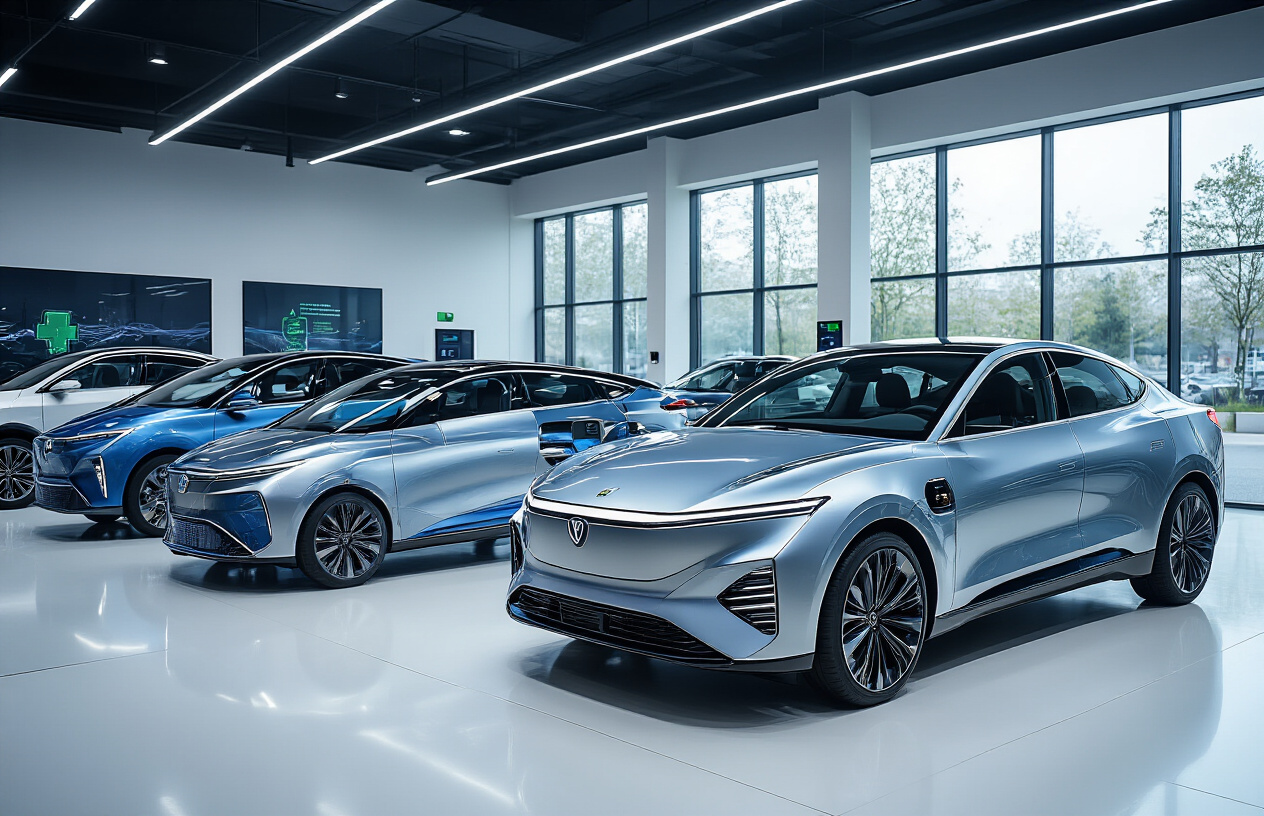
Toyota Prius Prime’s Industry-Leading Electric Range and Tax Benefits
The 2026 Toyota Prius Prime stands as the crown jewel of hybrid technology, delivering an impressive 44 miles of pure electric driving range that covers most American daily commutes without burning a drop of gasoline. This plug-in hybrid masterpiece combines a 2.0-liter four-cylinder engine with advanced electric motors, producing 220 horsepower while achieving an outstanding 114 MPGe in electric mode.
What sets the Prius Prime apart is its eligibility for the full $7,500 federal tax credit, making it one of the most financially attractive vehicles on the market. Add in state incentives, HOV lane access, and reduced registration fees in many states, and the savings stack up quickly. The vehicle’s solar roof panel option can add up to 1,000 miles of free driving per year in sunny climates.
Key Features:
- 44-mile electric-only range
- 690-mile total driving range
- 11.3-inch touchscreen with Toyota’s latest infotainment
- Wireless smartphone charging
- Available all-wheel drive system
Ford Escape Hybrid’s All-Weather Capability and Smart Technology Integration
Ford’s 2026 Escape Hybrid redefines what a compact SUV can achieve in challenging weather conditions. The intelligent all-wheel drive system automatically distributes power between front and rear wheels, while the hybrid powertrain’s instant torque delivery provides exceptional traction in snow, rain, and off-road situations.
The vehicle’s 2.5-liter Atkinson-cycle engine paired with electric motors produces 191 horsepower and delivers 40+ mpg in real-world driving conditions. Ford’s Co-Pilot360 2.0 suite includes adaptive cruise control with stop-and-go capability, automatic emergency braking, and blind-spot monitoring with trailer coverage.
Smart Technology Highlights:
- 12-inch SYNC 4A touchscreen with wireless Apple CarPlay/Android Auto
- FordPass Connect with 4G LTE Wi-Fi hotspot
- Intelligent 4WD with seven selectable drive modes
- Over-the-air software updates
- Remote start and climate control via smartphone app
The Escape Hybrid’s cargo space remains uncompromised despite the hybrid system, offering 37.5 cubic feet behind the rear seats.
Lexus NX Hybrid’s Luxury Performance Without the Premium Gas Requirements
The 2026 Lexus NX 350h proves that luxury and efficiency aren’t mutually exclusive. This sophisticated hybrid SUV combines a 2.5-liter four-cylinder engine with electric motors to produce 239 horsepower while running perfectly on regular unleaded gasoline—saving owners hundreds annually compared to premium-fuel luxury competitors.
Lexus Safety System+ 3.0 comes standard, featuring predictive collision avoidance, lane-keeping assistance, and adaptive high-beam headlights. The cabin showcases premium materials including genuine leather, real wood trim, and available Mark Levinson premium audio with 17 speakers.
Luxury and Efficiency Features:
- 37 mpg combined fuel economy
- Standard all-wheel drive with dynamic torque distribution
- 14-inch touchscreen with cloud-based navigation
- Wireless device charging with cooling function
- Three-zone automatic climate control
- Heated and ventilated front seats
The NX Hybrid’s refined driving experience includes multiple driving modes, from Eco for maximum efficiency to Sport S+ for spirited performance, all while maintaining Lexus’s renowned ride quality and cabin quietness.
Advanced Safety Technologies That Make Every Drive Safer
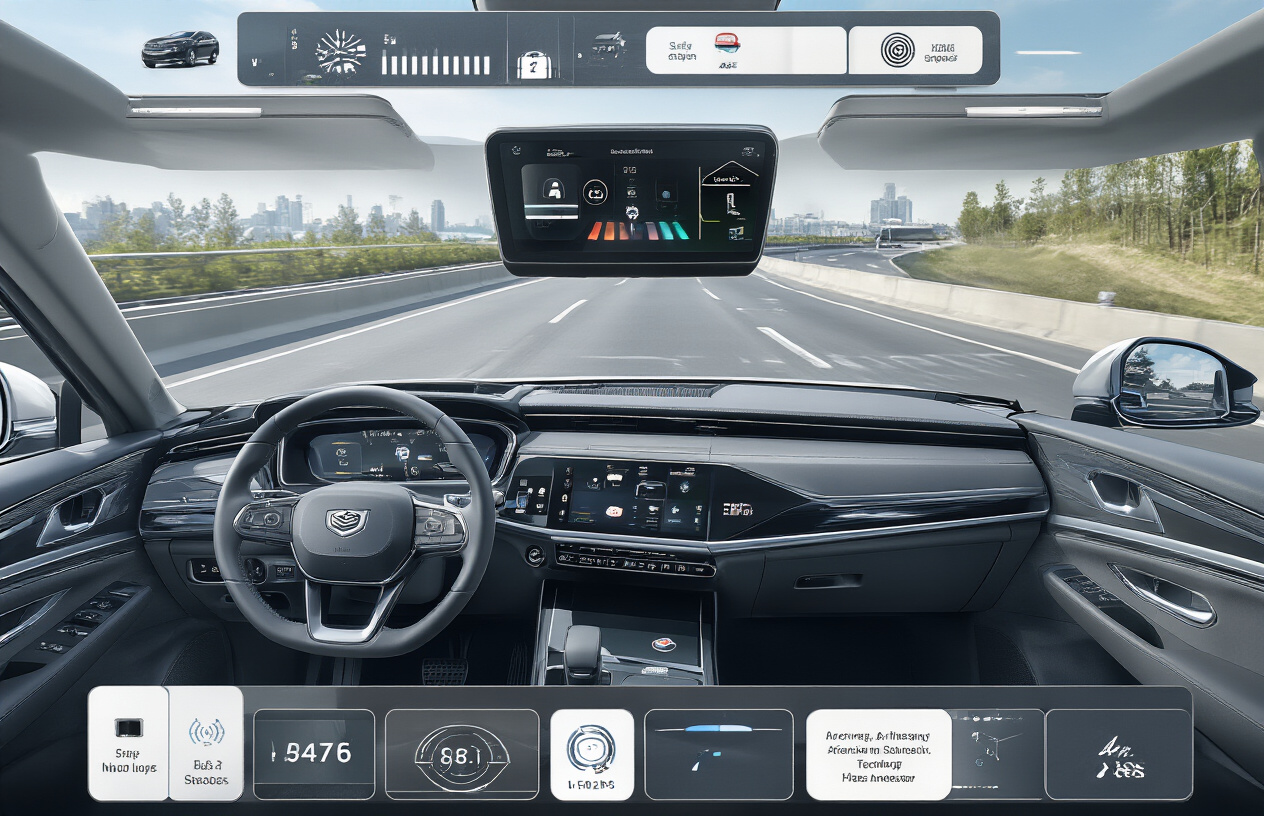
Automatic Emergency Braking Systems Preventing Costly Accidents
Modern cars come equipped with sensors that watch the road ahead constantly, ready to jump into action when you can’t react fast enough. These automatic emergency braking systems use cameras, radar, and sometimes lidar to detect potential collisions with vehicles, pedestrians, and even cyclists. When the system spots trouble brewing, it first alerts you with beeps or flashing lights. If you don’t respond quickly enough, the car takes control and applies the brakes automatically.
The technology has gotten incredibly sophisticated. Premium systems can detect objects at speeds up to 50 mph and bring your vehicle to a complete stop before impact. Budget-friendly versions typically work at lower speeds but still prevent those annoying parking lot fender-benders that cost hundreds in repairs.
Insurance companies love these systems too. Many offer discounts of 5-10% on your premium when your car has automatic emergency braking. The Insurance Institute for Highway Safety reports that vehicles with this technology reduce rear-end crashes by 50%. That’s real money staying in your pocket instead of going to body shops.
Blind Spot Monitoring Features Reducing Highway Dangers
Highway driving becomes less stressful when you have electronic eyes watching your blind spots. These systems use radar sensors mounted in the rear bumper or side mirrors to detect vehicles lurking in those dangerous zones where your mirrors can’t see. When another car enters your blind spot, a warning light appears in your side mirror or on the dashboard.
The best systems go beyond basic alerts. They include cross-traffic alerts that warn you about approaching vehicles when backing out of parking spaces. Some even provide rear cross-traffic braking, automatically stopping your car if you’re about to reverse into oncoming traffic.
Luxury brands like BMW and Mercedes offer more advanced versions that can actually steer you back into your lane if you try to change lanes with a vehicle in your blind spot. These intervention systems have dramatically reduced side-swipe accidents on busy highways where lane changes happen constantly.
Adaptive Cruise Control Making Long Commutes Effortless
Gone are the days of constantly adjusting your cruise control in stop-and-go traffic. Adaptive cruise control maintains your set speed while automatically adjusting to match the flow of traffic ahead. The system uses radar or cameras to monitor the distance to the vehicle in front and smoothly accelerates or decelerates to maintain a safe following distance.
Advanced versions can bring your car to a complete stop in heavy traffic and resume driving when traffic moves again. This stop-and-go capability transforms rush-hour commutes from exhausting battles of constant braking and accelerating into relaxed rides where you simply steer.
The fuel savings add up quickly too. These systems accelerate and brake more smoothly than most human drivers, improving your gas mileage by 5-7% on highway trips. Over a year of commuting, that translates to hundreds of dollars saved at the pump.
Lane Departure Warning Systems Protecting Against Distracted Driving
Drowsy driving and smartphone distractions cause thousands of accidents each year when drivers drift out of their lanes. Lane departure warning systems use cameras to track lane markings and alert you when your vehicle starts wandering without a turn signal activated. The warnings come through steering wheel vibrations, seat vibrations, or audible alerts that grab your attention immediately.
More sophisticated lane-keeping assist systems go a step beyond warnings. They gently steer your car back toward the center of the lane when you start drifting. The steering input feels natural, not jarring, giving you time to regain full control.
These systems work best on well-marked highways but struggle with faded lane markings or construction zones. The technology has improved dramatically over the past few years, with newer systems working reliably in most driving conditions. They’ve become standard equipment on many 2026 models, making safer driving accessible to everyone, not just luxury car buyers.
Smart Technology Features That Enhance Your Daily Driving Experience
Wireless Smartphone Integration for Seamless Connectivity
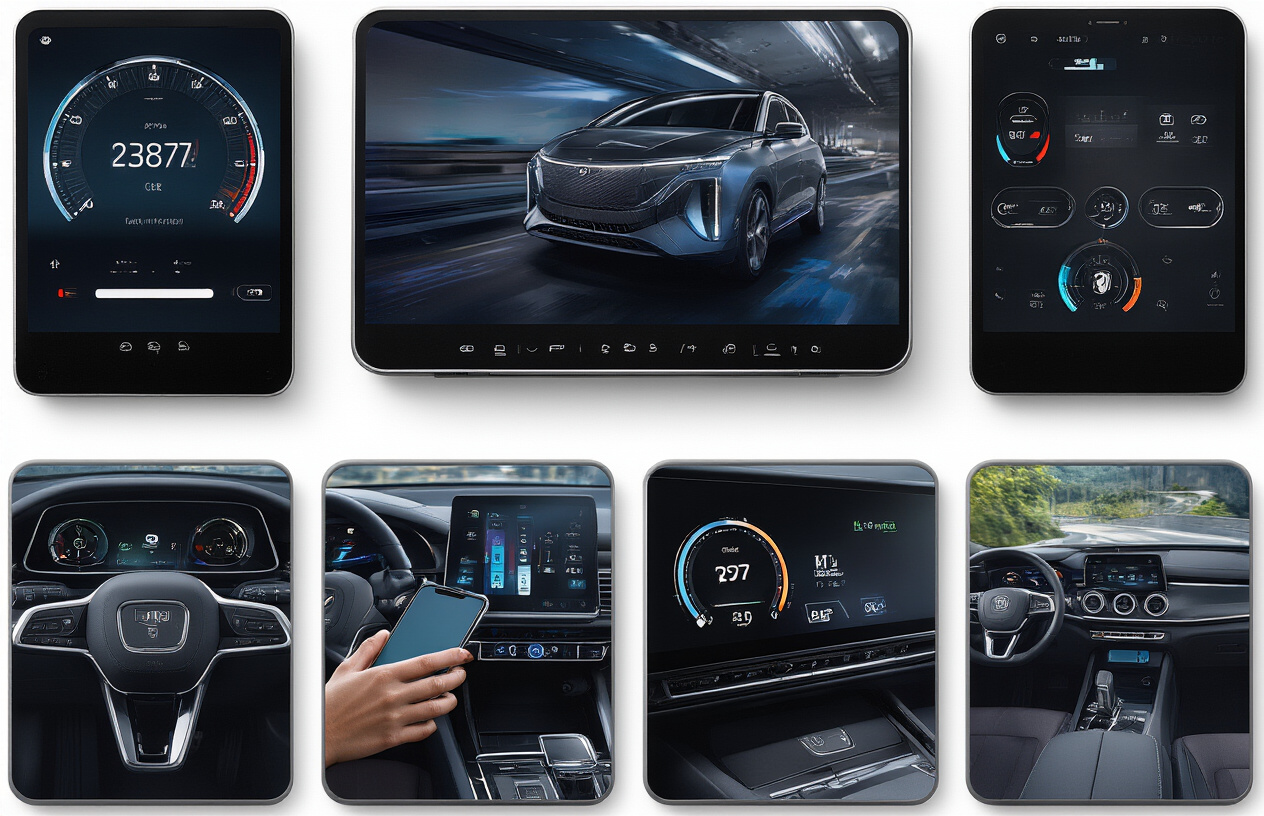
Today’s vehicles make connecting your phone effortless with wireless Apple CarPlay and Android Auto becoming standard across most 2026 models. Gone are the days of fumbling with cables every time you get in your car. Simply hop in, and your smartphone automatically pairs with the infotainment system.
The latest wireless integration goes beyond basic connectivity. You can access your entire music library, podcasts, and audiobooks without touching your phone. Text messages appear on the dashboard display, allowing you to respond using voice commands or steering wheel controls. Calendar appointments sync automatically, providing turn-by-turn directions to your next meeting without any setup required.
Premium models now offer multi-device connectivity, letting passengers connect their devices simultaneously. This means your kids can stream their favorite shows on rear entertainment screens while you navigate using your phone’s preferred map app. Battery drain concerns have largely disappeared thanks to improved efficiency and wireless charging pads that keep devices powered throughout your journey.
Advanced Navigation Systems with Real-Time Traffic Updates
Modern navigation systems have evolved into intelligent route planners that adapt to changing conditions instantly. These systems pull data from multiple sources including traffic cameras, road sensors, and crowd-sourced information from other drivers to provide the most accurate travel times.
The standout feature is predictive routing, which learns your daily patterns and suggests optimal departure times. If you typically leave for work at 8 AM, the system analyzes historical traffic data and weather forecasts to recommend leaving at 7:45 AM on days when delays are likely.
Real-time updates extend beyond traffic jams. These systems alert you to construction zones, accidents, road closures, and even parking availability at your destination. Many 2026 vehicles integrate with smart city infrastructure, receiving signals from traffic lights to optimize timing and reduce stops.
Electric vehicle owners benefit from specialized routing that factors in charging station locations, wait times, and your battery’s current charge level. The system automatically adds charging stops to longer trips and can even reserve charging spots at select locations.
Voice-Activated Controls That Keep Your Eyes on the Road
Voice recognition technology has reached impressive accuracy levels in 2026 vehicles, understanding natural speech patterns and context better than ever. You can adjust climate controls, change radio stations, send messages, and make phone calls using conversational language rather than memorizing specific commands.
The most advanced systems understand follow-up questions and maintain context throughout conversations. Ask “What’s the weather like?” followed by “How about tomorrow?” and the system knows you’re still talking about weather forecasts. This natural interaction reduces driver distraction significantly.
Personalized voice profiles allow the system to recognize different family members and adjust settings accordingly. When you say “Take me home,” it navigates to your address, but when your spouse uses the same command, it recognizes their voice and heads to their preferred location.
Integration with smart home devices means you can control garage doors, turn on lights, or adjust your home’s temperature before arriving. Some vehicles even support custom voice shortcuts, letting you create personalized commands like “Movie night” that automatically dims cabin lights and switches to entertainment mode for passengers.
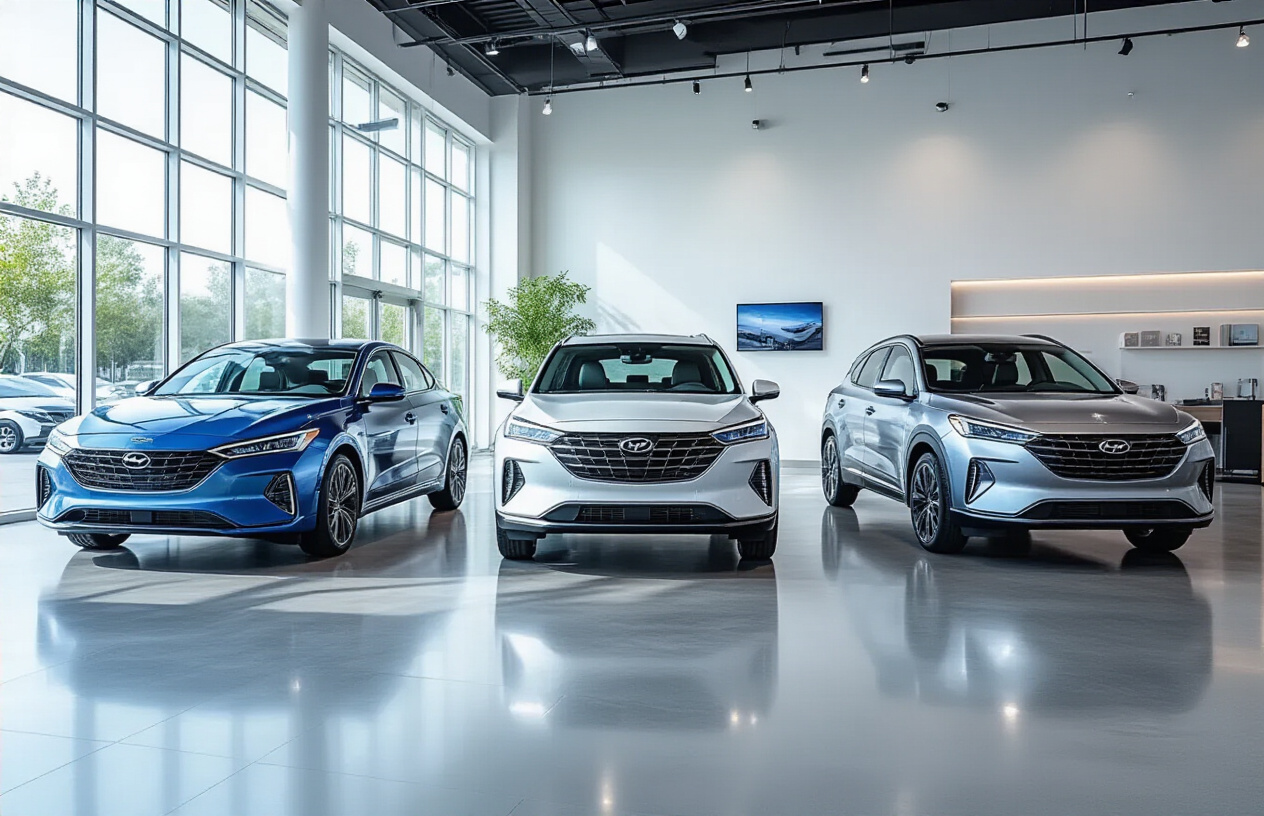
The automotive landscape for 2026 brings exciting opportunities for American drivers looking to upgrade their rides. From sedans that cut your fuel costs dramatically to SUVs designed specifically for our roads and family needs, the options have never been better. Hybrid technology continues to push boundaries, offering impressive performance while keeping environmental impact low. The safety features and smart tech integration in these vehicles make every trip more secure and enjoyable.
Now’s the perfect time to start researching which 2026 models match your lifestyle and budget. Test drive the vehicles that caught your attention and compare their real-world performance with your daily driving needs. Don’t wait until the last minute – popular models tend to have waiting lists, so getting familiar with your top choices early gives you the best shot at driving home in your ideal car when the time comes.